Trump cites declassified files to claim hidden election interference
Trump used a White House prime-time address to turn declassified election files into proof of hidden interference, even as the documents mostly restated long-known vulnerabilities.
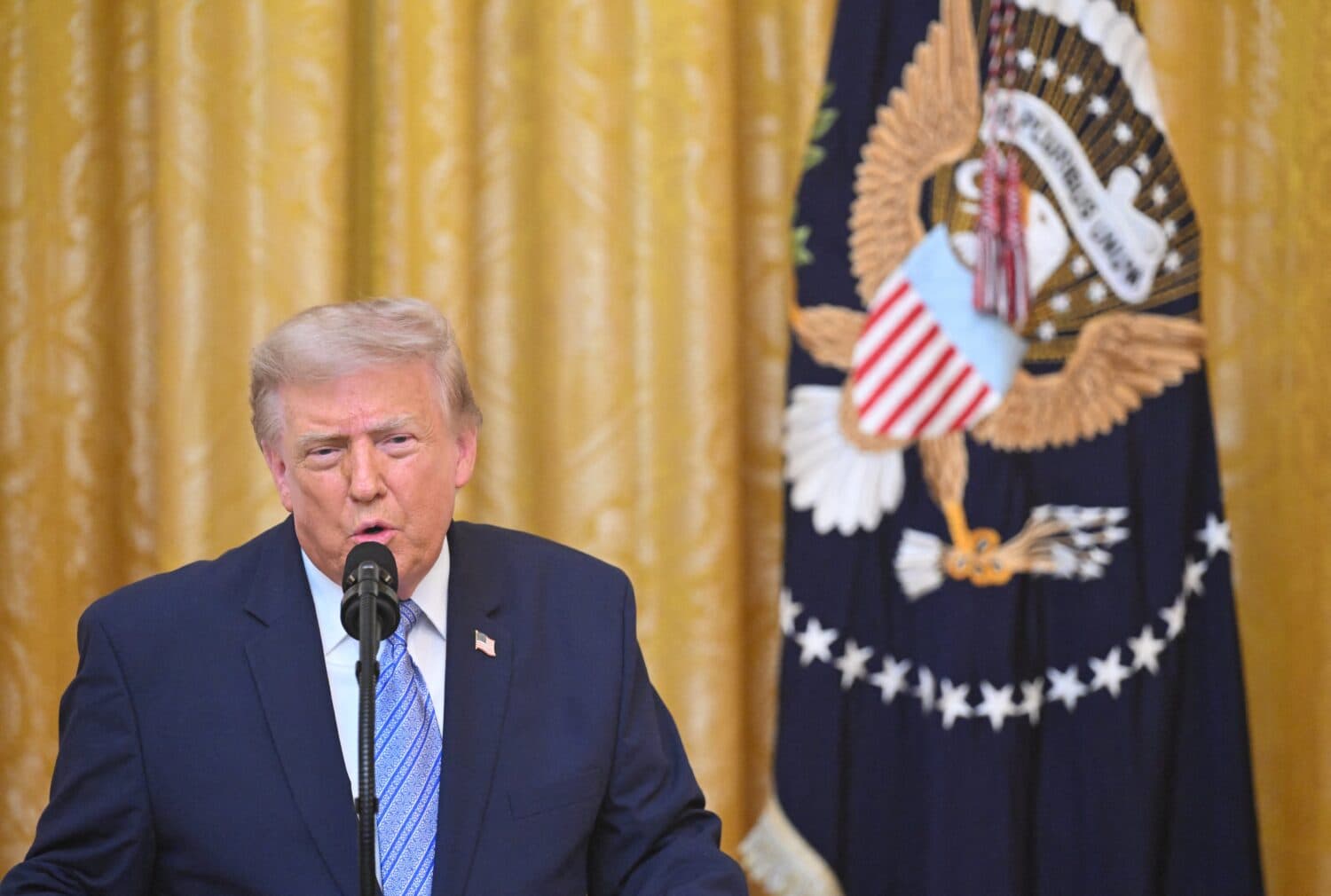
Donald Trump used a prime-time White House address on July 16, 2026, to claim newly declassified documents showed hidden Chinese interference in the 2020 election and to order the Justice Department to investigate. The White House also promoted the release on an Election Integrity page, giving official weight to material that election experts said largely repeated what government reviews have already laid out.
The documents do not say election systems were easily hacked; they say the opposite in key places. One set of materials described systems that "would be difficult to manipulate" and said audits and paper trails "would uncover such efforts." Trump presented those lines as confirmation that foreign actors had successfully penetrated the vote, but the text points to detection and resilience, not proof of a stolen election.
The release leaned heavily on a declassified March 16, 2021 Intelligence Community Assessment, Foreign Threats to the 2020 US Federal Elections. The assessment was drafted by the National Intelligence Council and the CIA, DHS, FBI, INR and NSA, and coordinated with those agencies plus Treasury. It concluded that Russia, Iran and China all used influence efforts around the 2020 race. That finding is not new, and it does not establish that any one of those efforts changed votes or altered the outcome.
Trump’s claims fit a pattern that has been rejected in courts and by prior reviews since 2020. The Senate Intelligence Committee’s report on Russian interference in the 2016 election and election-security work by DHS and the Cybersecurity and Infrastructure Security Agency had already documented vulnerabilities and the steps taken to reduce them. Those records showed why officials pushed paper ballots, audits and other checks: they are designed to expose manipulation, not conceal it.
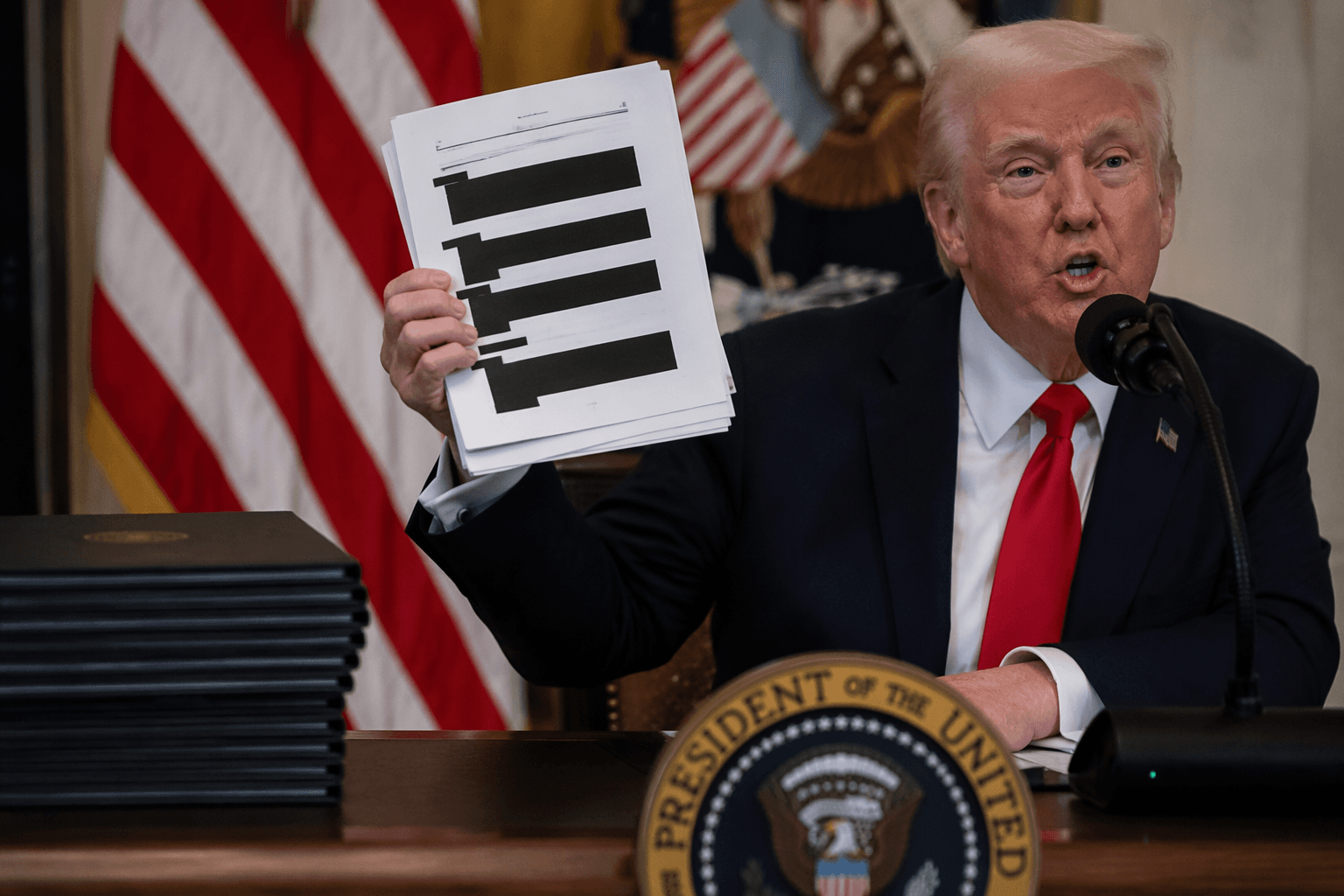
The White House push for declassification also followed Trump’s earlier assertion that his acting spy chief had broad authority to release records tied to the 2020 election. That move, described on July 1, 2026, set up Thursday’s broadcast as both a political message and an institutional one, using intelligence material to imply a conclusion the documents themselves do not reach.
That distinction matters beyond Trump’s base. Election confidence depends on separating evidence of foreign interest from proof of outcome-changing interference, especially after years of debunked fraud claims. When presidential power is used to present old intelligence as fresh vindication, it risks turning routine security warnings into fuel for mistrust in the vote itself.
This article was produced by Prism’s automated news system from verified source data, official records, and press releases, then run through automated quality and moderation checks before publishing. The system is built and supervised by the people who set the standards it runs under. Read our full AI policy.
Did this article answer your question?