Trump Claims Iran Talks Are Underway, But Tehran Flatly Disagrees
Trump claims Iran agreed to forgo nuclear weapons and is negotiating "right now." Tehran says no talks exist and calls the claims a market manipulation ploy.
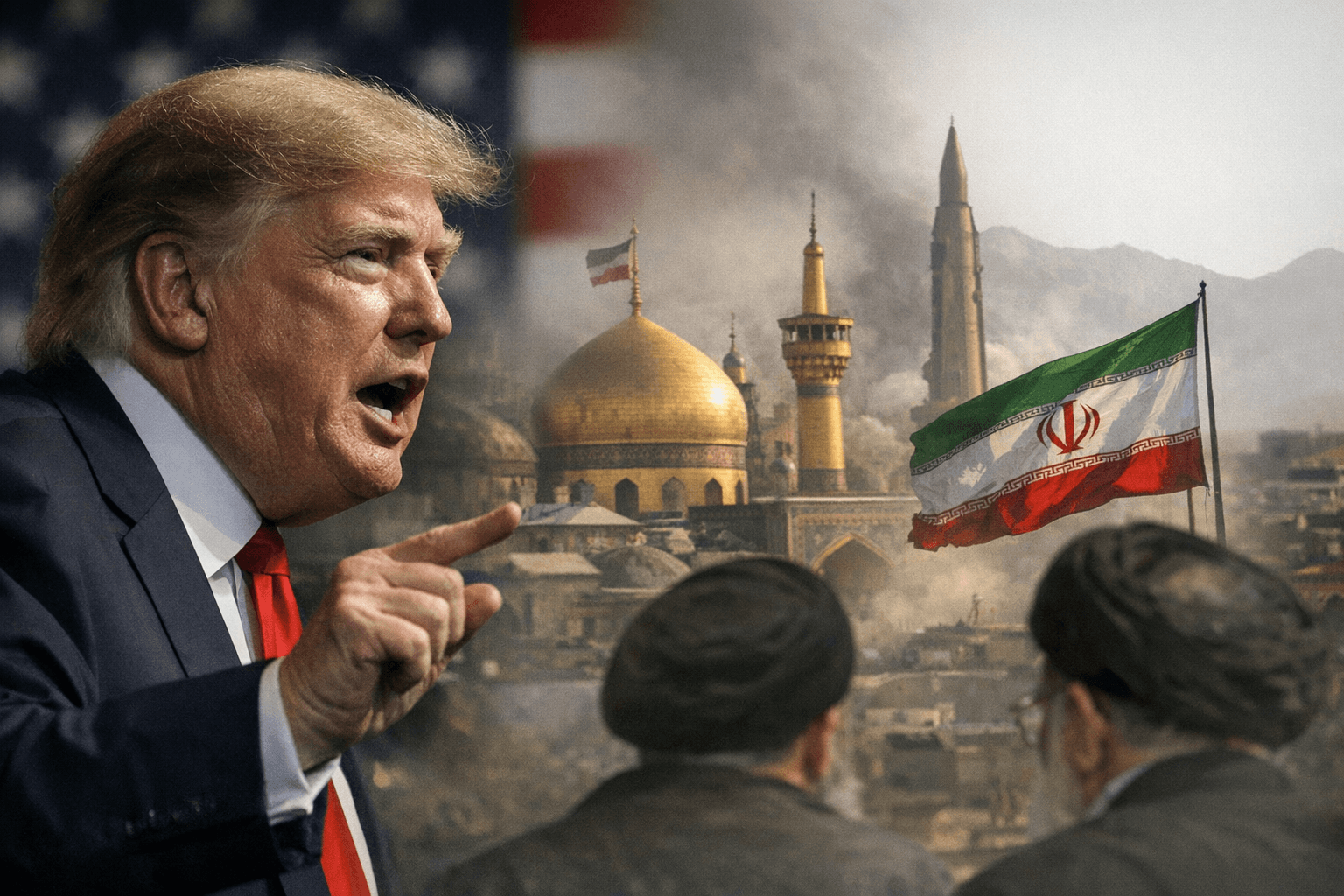
Speaking in the Oval Office during the swearing-in ceremony for new Homeland Security Secretary Markwayne Mullin, President Donald Trump declared that the United States is "in negotiations right now" with Iran, naming Vice President JD Vance, Secretary of State Marco Rubio, envoy Steve Witkoff and son-in-law Jared Kushner as participants. Tehran's response was swift and unambiguous: Foreign Minister Abbas Araghchi said "we don't see any reason why we should talk with Americans," adding that Iran "never asked for a ceasefire, and we have never asked even for negotiation."
The gap between those two statements captures the defining diplomatic crisis of a war now in its fourth week. The conflict began February 28, when the U.S. joined Israel in bombing Tehran, killing Supreme Leader Ayatollah Ali Khamenei and several other top officials. More than 2,000 people have been killed across the Middle East since fighting began. In Iran alone, Israeli and American strikes have killed more than 1,200 people, according to the Iranian Red Crescent Society.
Trump's public statements have escalated steadily over the past week. A day before his Oval Office appearance, he told reporters there were "like 15" points of agreement between the U.S. and Iran, with keeping Iran from obtaining a nuclear weapon ranking as "No. 1, 2 and 3" on that list. By Tuesday, he claimed a major concession had already been secured. "I don't want to say in advance, but they've agreed they will never have a nuclear weapon. They agreed to that," he said. He also hinted at an undisclosed Iranian gesture, saying he knew the U.S. was "talking to the right people" because Iran had delivered a "present" — describing it as "very significant" and "oil and gas related."
Iran's official position contradicts every layer of that account. The Iranian Foreign Ministry refuted White House claims, saying that regional countries had offered "initiatives" intended to "reduce tensions" but that direct dialogue with Washington had not occurred. Iranian parliament speaker Mohammad Bagher Ghalibaf, whom an Israeli official identified to Axios as a contact of Witkoff and Kushner, dismissed the reports as fake news designed to "manipulate the financial and oil markets." After Trump said talks had been held, Ghalibaf flatly denied it, stating "no negotiations have been held."
Araghchi's refusals have been consistent and specific. Writing on X, he said his "last contact with Witkoff was prior to his employer's decision to kill diplomacy with another illegal military attack on Iran," adding that "any claim to the contrary appears geared solely to mislead oil traders and the public." He cited a pattern of bad faith: "We negotiated twice last year and this year, and then in the middle of negotiations, they attacked us," and said Iran sees "no reason" to engage again with a party that does "not enter into negotiation in good faith."
Trump attributed the Iranian denial to miscommunication within Iran's own fractured leadership. U.S. officials say it is genuinely difficult to assess who is calling the shots in Tehran after so many senior figures were killed by Israel, and with the new Supreme Leader, Mojtaba Khamenei, remaining largely out of public view.
Behind the scenes, a U.S. source said Turkey, Egypt and Pakistan have been passing messages between Washington and Tehran, with the foreign ministers of all three countries holding separate talks with both Witkoff and Araghchi. Pakistan has formally offered to host talks, with Prime Minister Shehbaz Sharif writing that his country "stands ready and honoured to be the host to facilitate meaningful and conclusive talks."
The economic stakes are sharpening that pressure. International Energy Agency head Fatih Birol warned that the global economy faces a "major, major threat" from the war's disruption to oil and gas flows, saying "no country will be immune to the effects of this crisis if it continues." Gasoline prices in the U.S. jumped to an average of $3.48 a gallon, a nearly 17% increase since the first strikes against Iran on February 28.
The White House made clear Tuesday that diplomacy and military operations are running on parallel tracks: "As President Trump and his negotiators explore this newfound possibility of diplomacy, Operation Epic Fury continues unabated," press secretary Karoline Leavitt said. Observers note that twice in the past year Washington and Tehran were entering diplomatic talks when the U.S. and Israel launched surprise strikes on Iran — a history that goes a long way toward explaining why Araghchi calls American good faith in negotiations a contradiction in terms.
This article was produced by Prism’s automated news system from verified source data, official records, and press releases, then run through automated quality and moderation checks before publishing. The system is built and supervised by the people who set the standards it runs under. Read our full AI policy.
Did this article answer your question?


