Trump clash with Senate Republicans deepens over surveillance and nominations
Trump’s clash with Senate Republicans is stalling surveillance and nominations as Bill Cassidy and Thom Tillis break ranks ahead of a high-stakes midterm year.
The fracture between Donald Trump and Senate Republicans has moved from personal tension to governing risk, with surveillance policy, nominations and the party’s midterm message all caught in the middle. Trump’s decision to delay Jay Clayton’s nomination for national intelligence director, paired with his warning that he would not sign renewal of a key surveillance law unless senators accepted new terms, landed just hours before Clayton’s confirmation hearing and deepened the split in Washington.
The immediate dispute is substantive because it reaches into the Senate’s core work: confirming nominees and extending intelligence authorities. It is also political theater in places where Trump is pressing demands that have little chance of becoming law, including proof-of-citizenship voting legislation and his White House ballroom project. The result has been slower Senate business and more open resistance from Republicans who have spent much of the year trying to decide how far they can separate from Trump without angering his base.
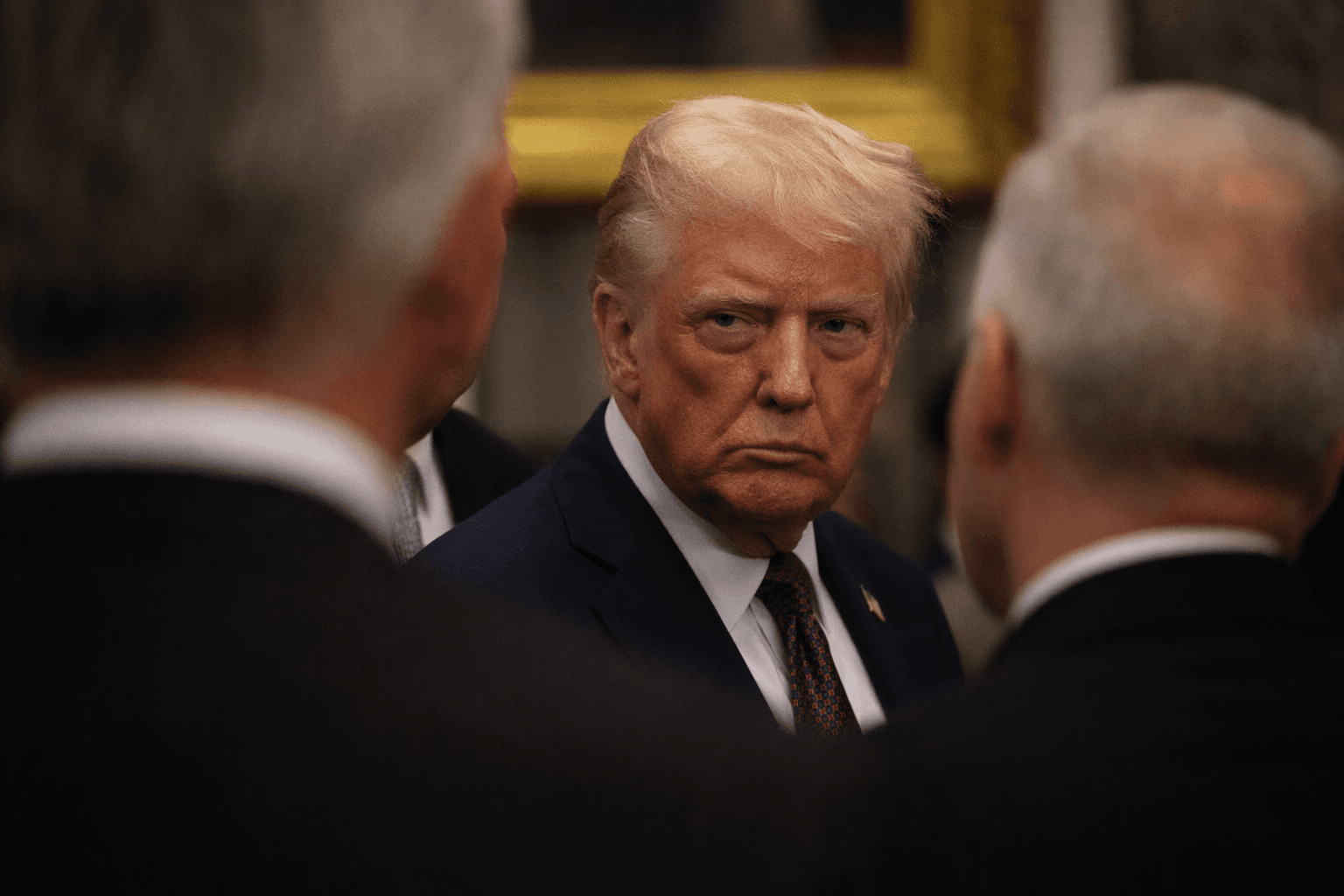
That calculation is sharper after a year in which Senate Republicans worked closely with Trump on his spending and tax package and almost no GOP senators criticized him publicly. Now the dynamic has shifted. Bill Cassidy said Trump’s foreign-policy approach was the “worst foreign policy blunder in decades,” while Thom Tillis said somebody was not “dialing the president into the complexities” of what he had done. Cassidy’s warning carries extra weight because he is one of three remaining Republican senators who voted to impeach Trump after Jan. 6, 2021.
The stakes reach beyond one nomination fight. The 2026 midterm elections will decide control of Congress, with around one-third of the Senate and all 435 House seats on the ballot, and the campaign season is already underway across 35 Senate primaries and 36 gubernatorial primaries. Republicans are defending a narrow majority while around two-thirds of outgoing members in each chamber are Republicans, a sign of how much seat defense the party faces heading into the fall.
That pressure is already showing in key states. In Texas, Trump-backed Attorney General Ken Paxton defeated incumbent Senator John Cornyn on May 26, a warning that the president’s influence can still remake the GOP field. South Carolina contests have also been watched as tests of Trump’s sway over Republican voters. If the Senate break widens, it could weaken Trump’s leverage over the party agenda, complicate confirmation fights and force Republican senators to campaign with more distance from the White House as the final two years of Trump’s second term come into view.
This article was produced by Prism’s automated news system from verified source data, official records, and press releases, then run through automated quality and moderation checks before publishing. The system is built and supervised by the people who set the standards it runs under. Read our full AI policy.
Know something we missed? Have a correction or additional information?
Submit a Tip