Trump creates Military Spouse Commission to address family challenges
Trump created a Military Spouse Commission led by Jennifer Hegseth, aiming at jobs, child care, and licensing barriers that still strain military families.
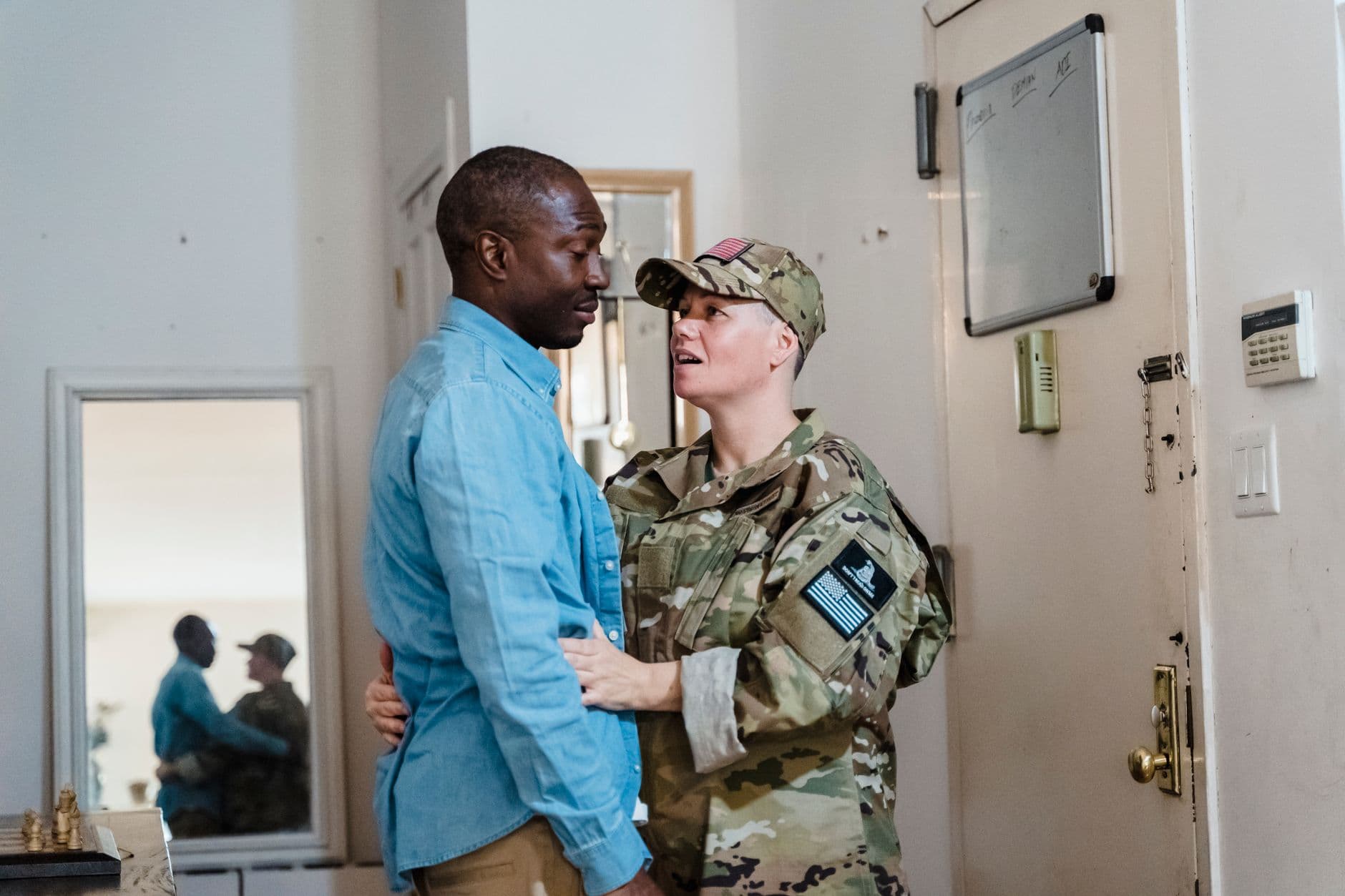
Trump signed an executive order creating the President’s Military Spouse Commission, a White House panel meant to elevate the daily problems military families face as they move from base to base. Jennifer Hegseth, the wife of Defense Secretary Pete Hegseth, was named to lead it, and the administration said it would also appoint an executive director.
The order puts employment, child care, housing, health care, deployment-related support and other family issues at the center of the commission’s work. A Fox News description said the panel would provide a direct line to advise the president on quality-of-life issues facing military families, a sign that the White House wants the body to function as more than a symbolic gesture.

For military spouses, the practical stakes are immediate. Frequent relocations can break job continuity, professional licenses often do not transfer cleanly across state lines, child-care slots are scarce near many installations, and long separations during deployments and training strain household stability. Those burdens fall hardest on spouses who are trying to maintain careers while their families absorb the demands of service.
The pressure is visible in family survey data. Blue Star Families’ 2023 Military Family Lifestyle Survey found that 53% of active-duty spouse respondents identified spouse employment as a major issue, while 31% of active-duty service member respondents said the same. That same set of concerns has driven years of policy work on licensure portability, including efforts tracked by Military OneSource and state policy offices tied to the Pentagon.
The commission arrives after the White House had already signaled attention to the issue earlier in 2026, when it issued a Military Spouse Day presidential action in May. In July, Rep. Veronica Escobar introduced legislation to strengthen military child care and expand employment opportunities for military spouses, showing that the policy fight over family stability was already active before Trump moved to create the new panel.
Whether the commission produces concrete change will depend on how much authority it gets, who sits on it, and whether its recommendations translate into policy. If it is backed with leverage, the panel could push clearer licensing portability, better child care access, stronger spouse employment programs and more support for families moving between duty stations. If not, military spouses may see another federal structure that names their problems without fixing them.
This article was produced by Prism’s automated news system from verified source data, official records, and press releases, then run through automated quality and moderation checks before publishing. The system is built and supervised by the people who set the standards it runs under. Read our full AI policy.
Did this article answer your question?