Trump cuts Ebola response programs as outbreak spreads in Congo, Uganda
Trump-era aid cuts left Ebola surveillance thinner just as Congo and Uganda reported 536 suspected cases and 134 suspected deaths in a fast-moving outbreak.
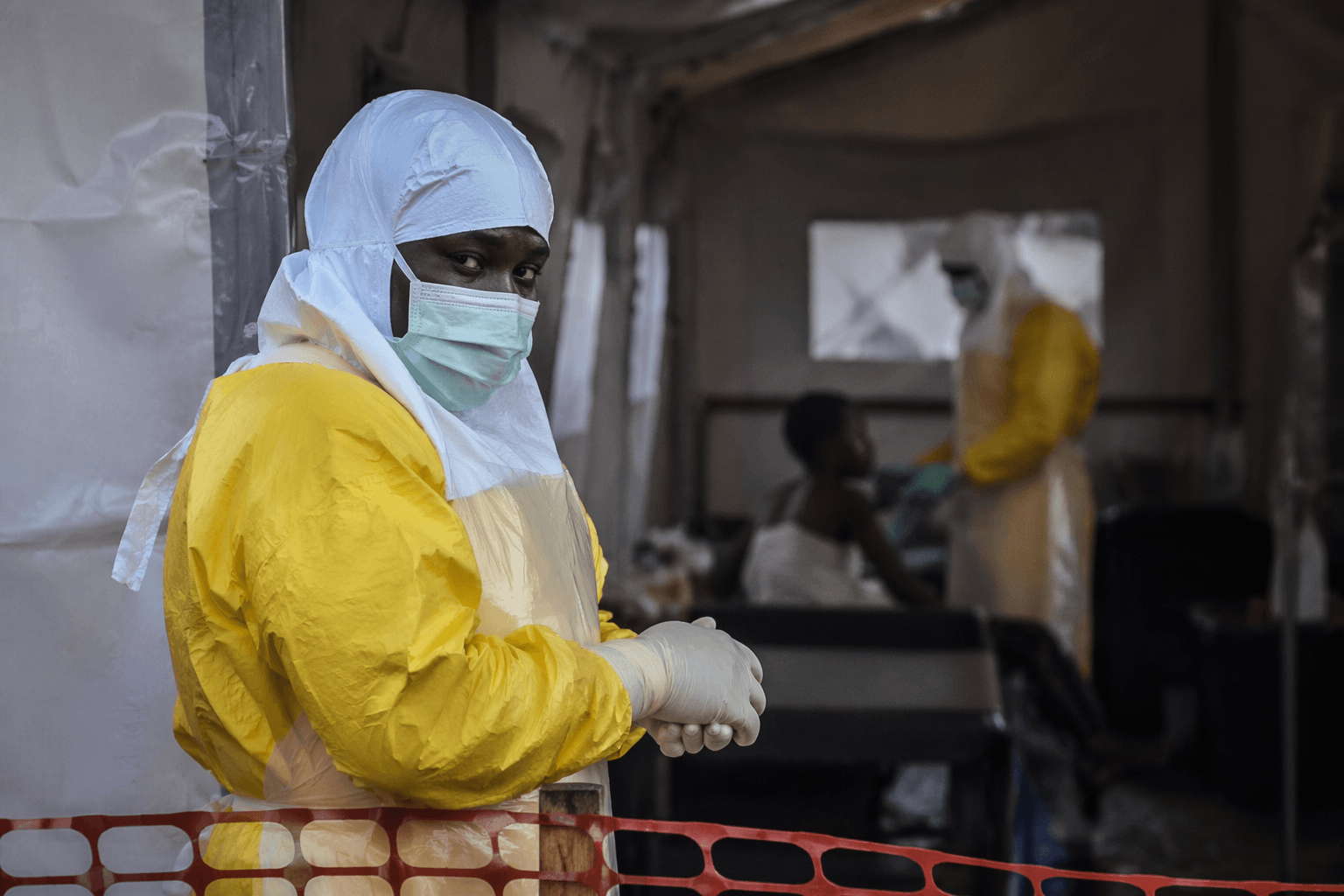
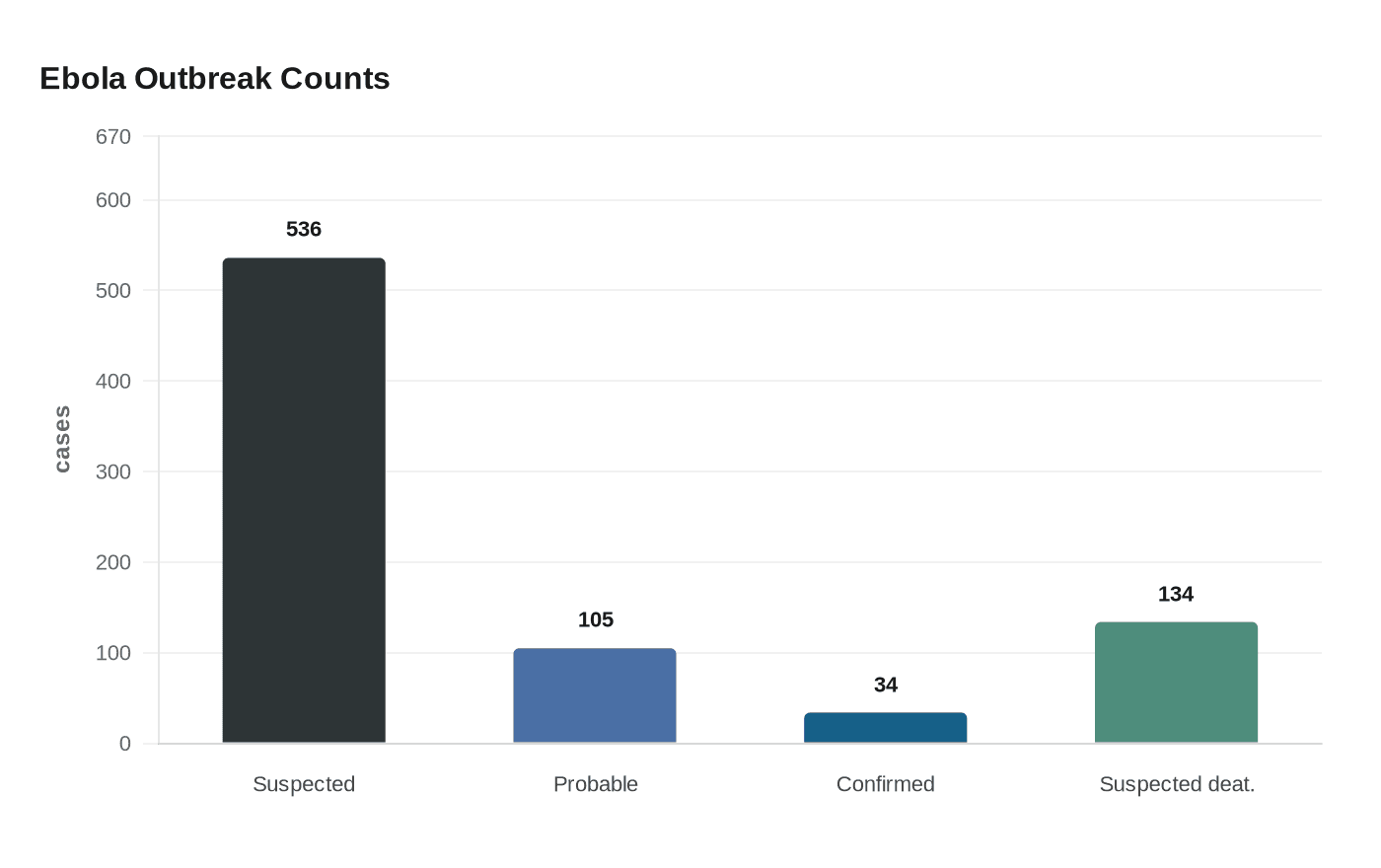
The Trump administration’s cuts to Ebola-response programs landed just as a new outbreak spread through remote parts of the Democratic Republic of the Congo and Uganda, exposing how much the United States had relied on a public-health machine built for speed. The Centers for Disease Control and Prevention said the outbreak had reached 11 health zones in Ituri Province and Nord-Kivu Province, with 536 suspected cases, 105 probable cases, 34 confirmed cases and 134 suspected deaths as of May 19. The virus is Bundibugyo, a strain for which the CDC says there is no vaccine.
That matters because Ebola is not the kind of threat that waits for bureaucracies to catch up. U.S. agencies had long helped with surveillance, laboratory support, infection-control training and outbreak coordination in Congo, where the CDC said decades of investment in health systems and laboratories had helped local officials detect and contain prior outbreaks within weeks. In January, the agency said its DRC country office deployed experts within 24 hours during the 2025 outbreak, a reminder that response speed, not just funding totals, often decides whether an outbreak is boxed in or spreads.
The current crisis has already shown how quickly exposure can cross borders. On May 17, a U.S. worker caring for patients in the DRC tested positive for Ebola Bundibugyo disease and was transported to Germany for treatment, where there was prior Ebola-care experience. CDC and the Department of Homeland Security then imposed enhanced travel screening, entry restrictions and other public-health measures on May 18. The agency said no Ebola cases had been confirmed in the United States from this outbreak, but it also warned that untreated Ebola can kill up to 90% of patients.
Health groups say the United States weakened the very systems that once helped detect and contain outbreaks before they became international emergencies. The International Rescue Committee said March 2025 funding cuts forced it to reduce its health and preparedness work in Ituri Province from five sections to two, leaving the region more exposed. Partners In Health said the administration began dismantling USAID in January 2025, that the agency was officially closed on July 1, 2025, and that roughly 80% of its global health awards were terminated, pulling $12.7 billion in committed funding. That is not just a budget fight: it is a reduction in field staff, sample transport, lab capacity and the local trust that outbreak detection depends on.
The outbreak also carries historical weight. The CDC said the DRC’s September 2025 outbreak was the country’s 16th Ebola outbreak since 1976, and that the event in Kasai Province produced 37 confirmed cases and 19 deaths, including four health workers. As Tedros Adhanom Ghebreyesus said he was alarmed by the scale and speed of the current outbreak, the State Department said it would fund up to 50 treatment clinics and related screening, triage and isolation efforts in Congo and Uganda. The gap between those positions is the larger story: Ebola can accelerate faster than the systems meant to stop it, and once those systems are hollowed out, Americans inherit the risk long before the virus reaches U.S. soil.
This article was produced by Prism’s automated news system from verified source data, official records, and press releases, then run through automated quality and moderation checks before publishing. The system is built and supervised by the people who set the standards it runs under. Read our full AI policy.
Did this article answer your question?