Trump defends Iran deal as ceasefire talks strain Israel ties
Trump’s sharpest signal was not his rhetoric but a 60-day ceasefire extension and a possible release of about half of Iran’s $24 billion in frozen funds.
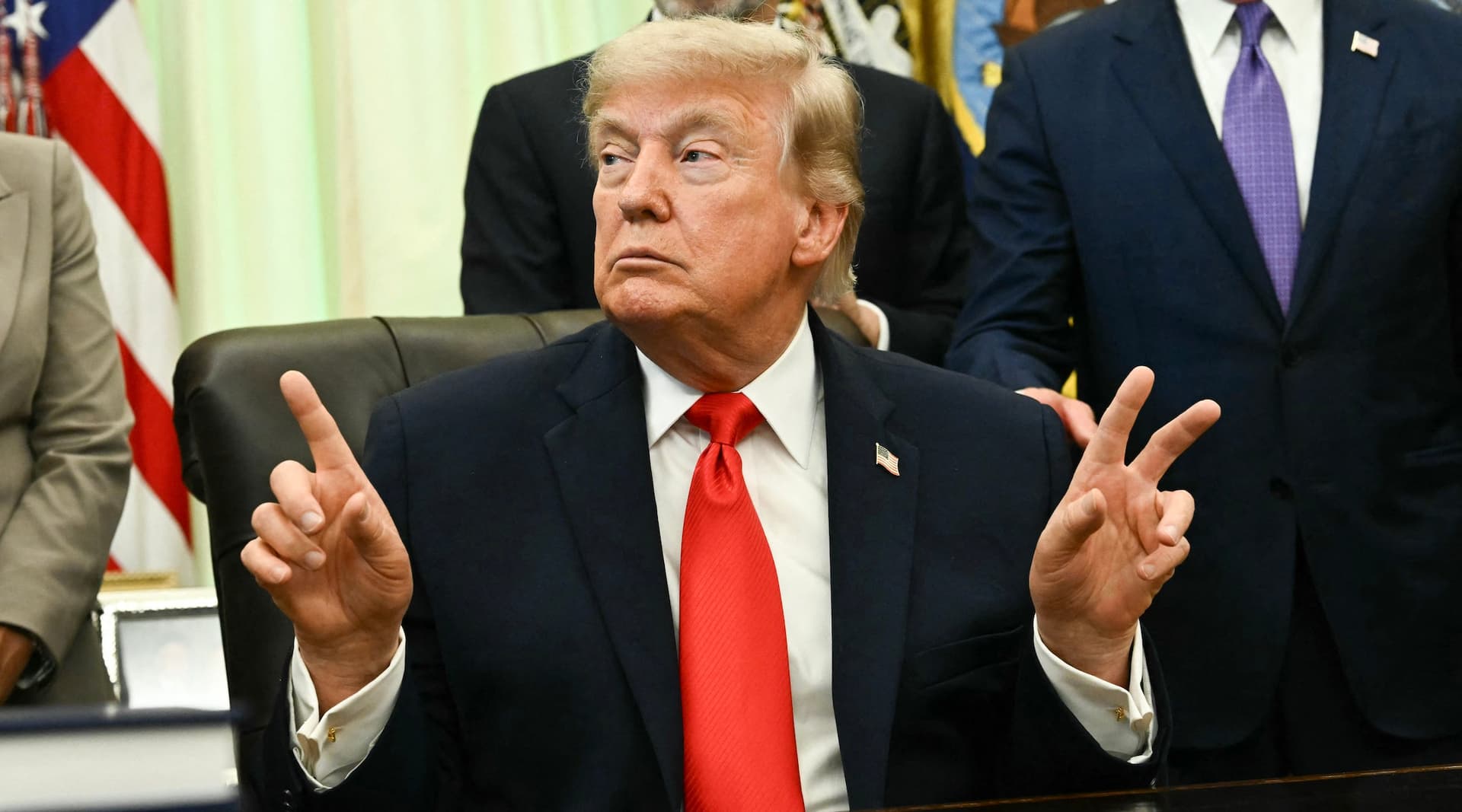
President Donald Trump turned a Monday Oval Office appearance into a test of whether his Iran diplomacy is becoming policy or still political theater. The clearest signal came from a memorandum of understanding with Iran that the White House said Trump and Vice President JD Vance had secured, after Trump and reporters had already been moving through questions on Iran, Benjamin Netanyahu, Starmer and other issues.
The agreement’s most concrete terms were also its most consequential. Senior U.S. officials said the memorandum had been electronically signed ahead of an expected signing ceremony later that week, and that it involved a 60-day ceasefire extension plus the release of roughly half of Iran’s about $24 billion in long-frozen funds. Trump had previewed the push weeks earlier, telling reporters on May 11 that he had “the best plan ever” to end the war with Iran. That line now reads less like a rhetorical flourish than a marker of how aggressively the White House was trying to sell the deal.

The policy question is whether the memorandum represents a binding shift or a conditional framework. The White House described it as a historic breakthrough, and the gallery caption said Trump signed the memorandum at the Palace of Versailles in France on June 17, 2026. But the arrangement was still being presented as contingent when Trump spoke, which matters for Congress, allies and markets that will want to know whether the ceasefire extension and funds release are locked in or still subject to further steps.
Trump’s posture toward Israel was the other actionable cue. His comments followed public friction with Netanyahu over Israel’s military actions, including reporting that Trump warned Netanyahu he could be “on your own” if attacks on Iran continued. That warning suggests Trump is willing to use distance from the Israeli government as leverage while he presses Tehran to stay inside a deal.
After the G7 summit in France, Trump defended the Iran agreement and said the United States would continue to push for an outcome that ensured Iran would not obtain a nuclear weapon. That line restated a familiar red line. The memorandum, by contrast, attached machinery, money and a deadline to it, which is what will make allies, lawmakers and investors treat it as the real test of whether Trump’s Middle East diplomacy can hold.
This article was produced by Prism’s automated news system from verified source data, official records, and press releases, then run through automated quality and moderation checks before publishing. The system is built and supervised by the people who set the standards it runs under. Read our full AI policy.
Did this article answer your question?


