Trump defends Iran strikes, rejects claim he broke no-new-wars pledge
Trump said he never promised there would be no war, even as Iran strikes test the core pledge that helped sell his America First message.
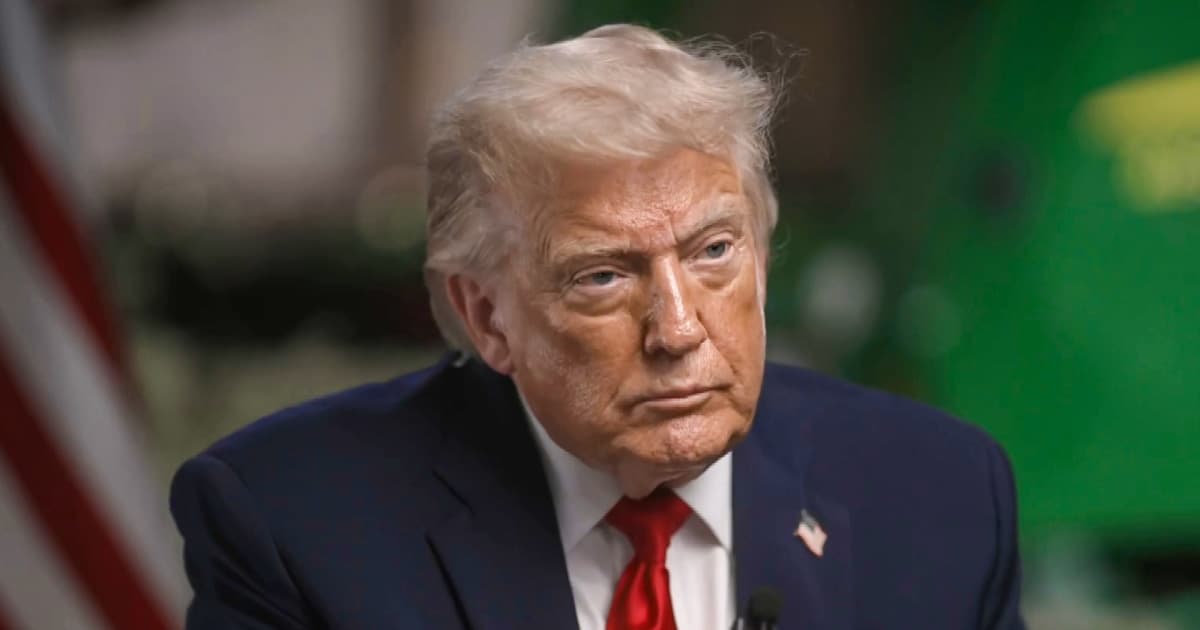
Donald Trump is defending his decision to strike Iran by drawing a sharp line between a promise to avoid new wars and a guarantee that none would happen on his watch. In an interview that aired June 7 on NBC News’ Meet the Press, Trump dismissed the idea that the conflict with Iran violated the message he repeated throughout his 2024 campaign, saying, “First of all, I didn’t guarantee no war. Why would I have built the strongest military in the world?”
The statement lands in the middle of a war that began on February 28, 2026, when the United States and Israel launched strikes on Iran. For Trump, the fighting has become a direct test of the foreign-policy identity he used to rally voters: “No new wars” and an “America First” approach that was meant to keep the United States out of another prolonged Middle East conflict. Trump has also tried to frame the conflict as something short of a forever war, saying he does not like “endless wars” and suggesting the Iran fight could be nearing completion.
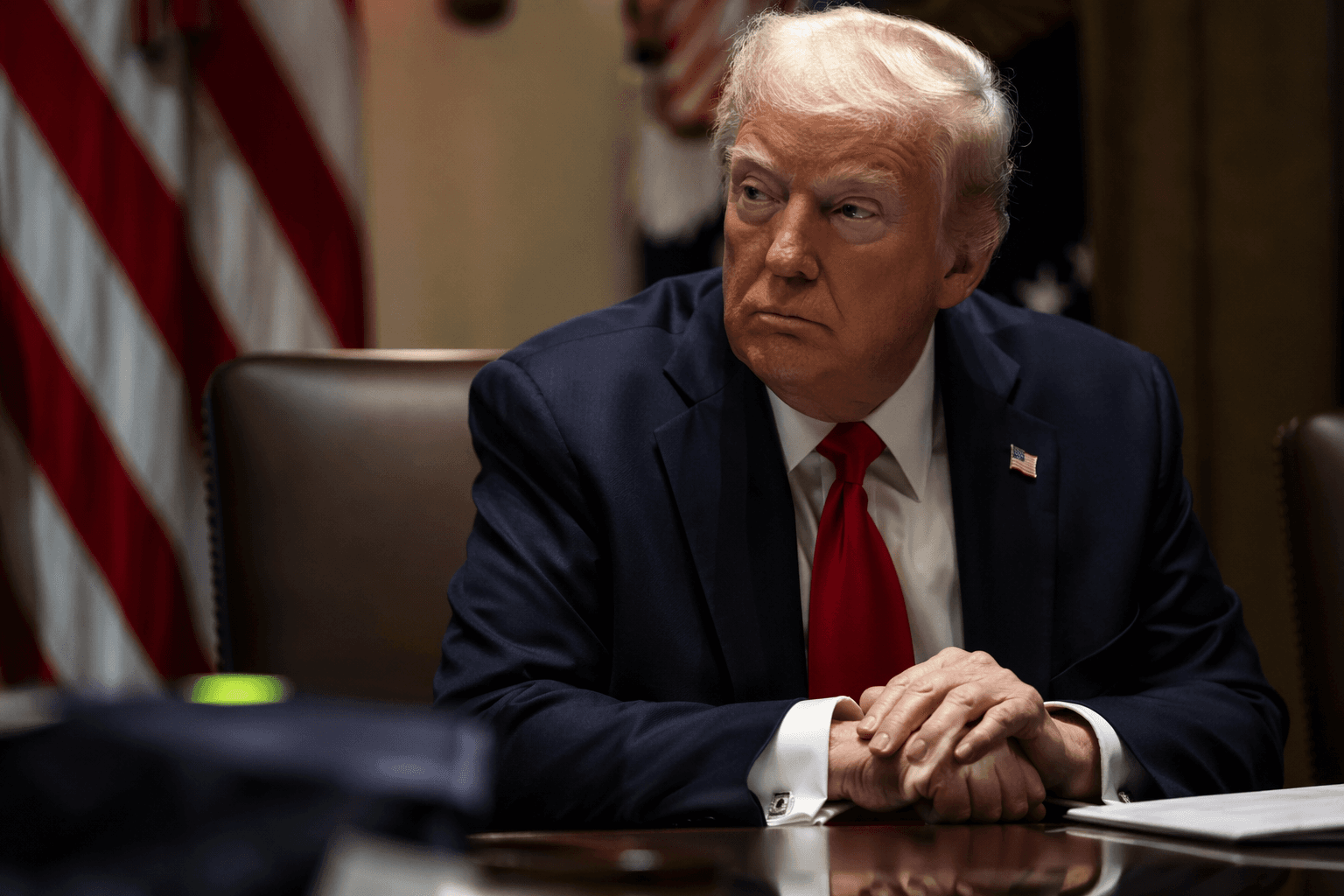
But Trump’s own comments have left room for uncertainty. Coverage has described him as sending mixed signals on negotiations with Iran, at times dismissing the talks and at other moments saying they were moving at a rapid pace. That ambiguity has sharpened the political stakes for a president who built part of his coalition on distrust of intervention and skepticism toward foreign entanglements.
The backlash inside Trump’s camp has been immediate. In March 2026, former Rep. Marjorie Taylor Greene publicly criticized the strikes as a betrayal of Trump’s “no new wars” message and warned that the conflict could cost Republicans politically. Her criticism underscored how deeply the Iran campaign has strained the anti-interventionist wing of the party, which saw Trump as its most powerful champion.
Congress has now entered the fight as well. On June 3, 2026, the House of Representatives passed a war powers resolution aimed at halting U.S. military action against Iran, the first such approval during the current war. The vote amounted to a rare bipartisan rebuke of Trump’s course, even though the measure is largely symbolic and faces major obstacles in the Senate and a likely veto.
Trump’s insistence that he never guaranteed peace has turned his own slogan into a dispute over interpretation. What once sounded like a pledge has become a test of whether his coalition will accept a narrower definition, or whether the war with Iran will redraw the boundaries of Republican anti-interventionism.
This article was produced by Prism’s automated news system from verified source data, official records, and press releases, then run through automated quality and moderation checks before publishing. The system is built and supervised by the people who set the standards it runs under. Read our full AI policy.
Know something we missed? Have a correction or additional information?
Submit a Tip