Trump delays AI safety order after industry backlash on vetting plan
Last-minute industry calls helped stall a Trump AI order that would have let the government vet advanced models before release.

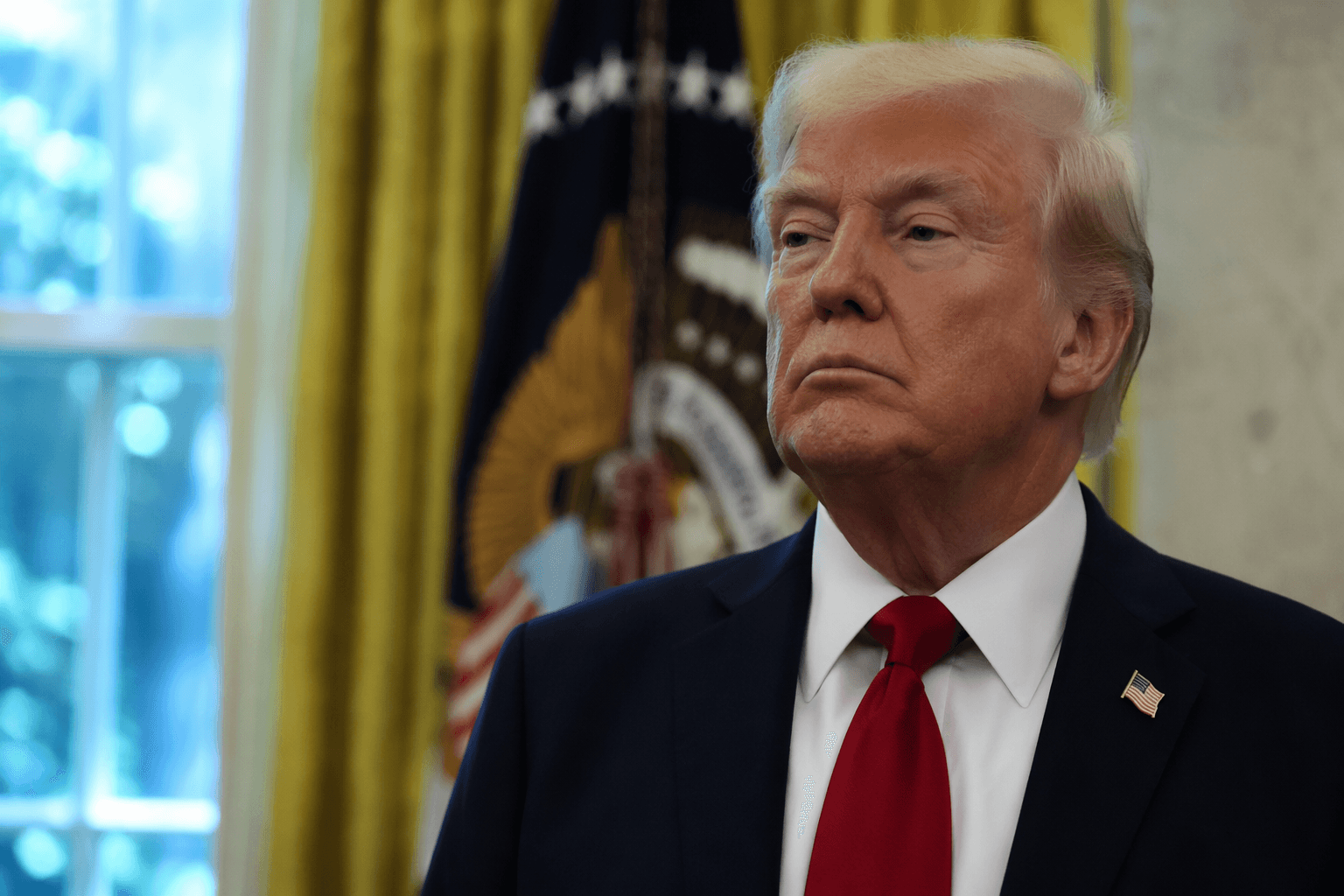
Silicon Valley won a sudden reprieve in Washington as Donald Trump delayed an expected AI safety order after industry leaders pressed the White House to back away from pre-release vetting of advanced models. The fight laid bare a central question in U.S. AI policy: whether elected officials or the companies building the technology have the stronger hand when national security rules are being written.
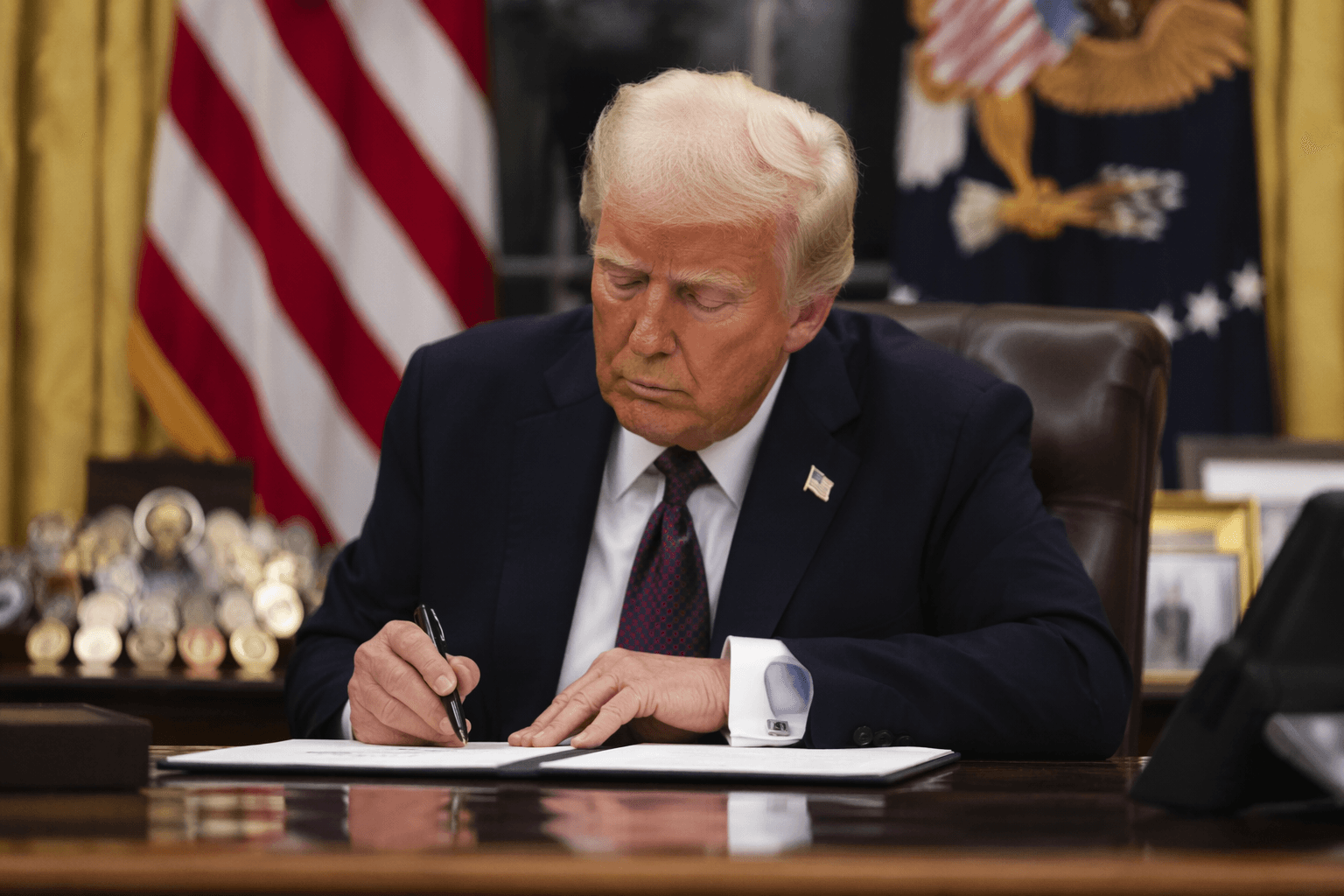
The planned order would have created a voluntary framework for developers to share new AI systems with the government before public release, a rare move toward screening frontier models for cybersecurity risks. The White House had been preparing to unveil the policy on May 21, 2026, and had even tried to bring AI company chief executives to a signing ceremony before the plan was postponed.
The delay came after former White House AI and crypto czar David Sacks raised industry concerns directly with Trump, according to people familiar with the matter. Those concerns had been building for days. The Office of the National Cyber Director held a briefing for leading AI companies on a proposed model-review order that would have empowered intelligence and other agencies to examine advanced systems before they reached the public.
Inside the administration, the debate reached beyond cybersecurity into the politics of frontier AI itself. Some Trump allies, including Steve Bannon and other MAGA activists, have pushed for tougher oversight because of national security fears. At the same time, major technology companies have fought any requirement that would look mandatory or intrusive, arguing that advance review could slow the development of a pivotal technology and tilt the field against U.S. firms.
The White House had discussed giving agencies about two months to build the review framework, a timeline that underscored how quickly the administration wanted to move. The policy push followed Trump’s December 11, 2025 executive order establishing a national AI policy framework and limiting state-level rules, showing how aggressively the administration has tried to centralize AI decision-making in Washington even as it backed away from this specific safety measure.
Concerns over Anthropic’s Mythos model helped intensify the push for vetting, especially after fears that the system could dramatically turbocharge hacking. Later analysis suggested those worst-case warnings were overstated, but the episode still hardened the argument for some form of pre-release review.
For now, the delay shows how much leverage Silicon Valley still has when the stakes involve national rules for a high-risk industry. It also shows how Trump’s AI agenda is being shaped not just by formal policy staff in Washington, D.C., but by a tighter circle of advisers, lobbyists and industry voices deciding how far the government can go before the companies push back.
This article was produced by Prism’s automated news system from verified source data, official records, and press releases, then run through automated quality and moderation checks before publishing. The system is built and supervised by the people who set the standards it runs under. Read our full AI policy.
Did this article answer your question?