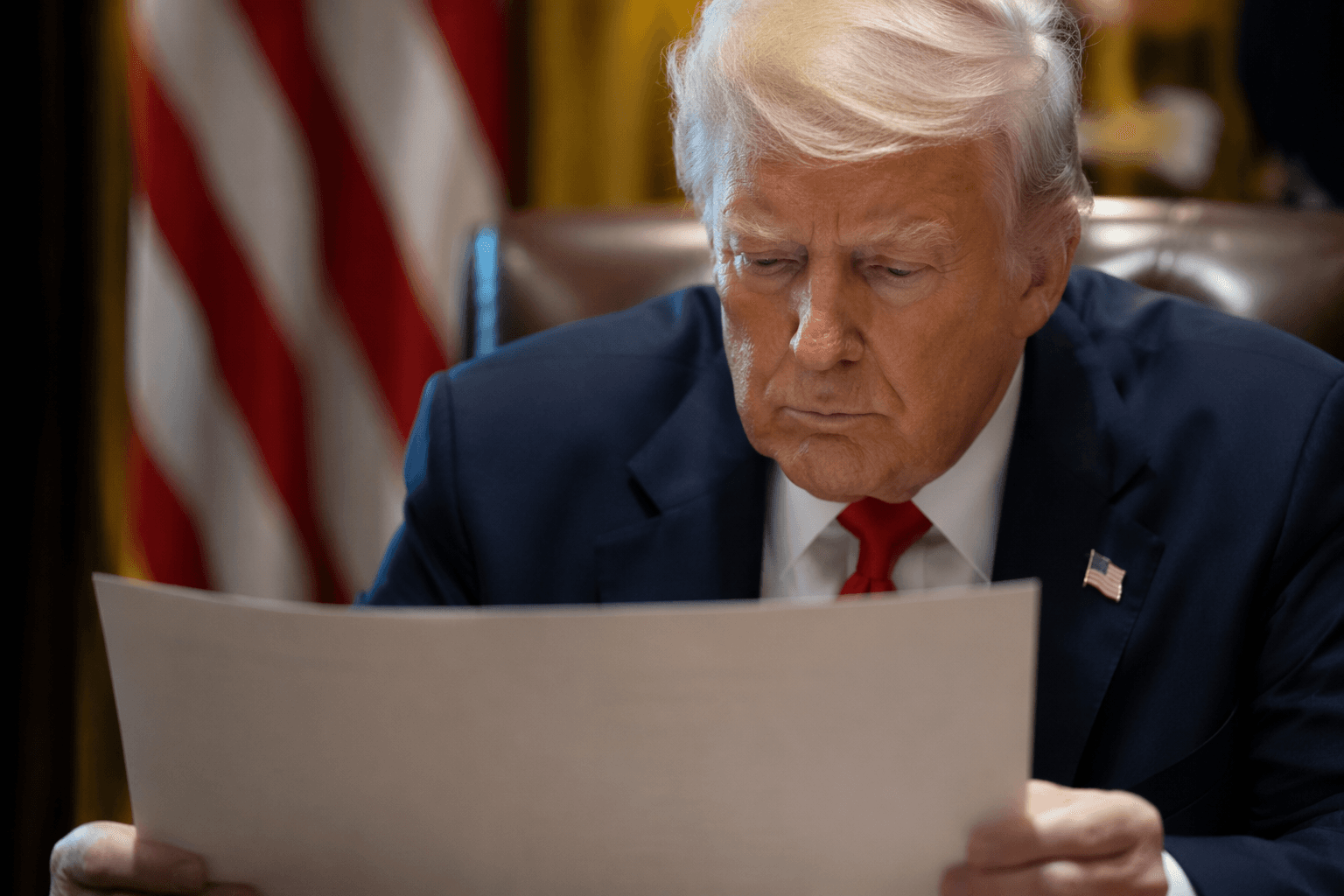
Trump denies U.S. role in proposed Iran rebuilding fund, cites better deal
Trump denied a U.S. role in a proposed $300 billion Iran fund as Obama warned the new deal may differ little from the 2015 nuclear pact.
Donald Trump denied that the United States would put money into a proposed $300 billion rebuilding fund for Tehran, even as he insisted his Iran agreement was better than Barack Obama’s 2015 nuclear deal. The fight now is less about whether Iran gets a windfall than about whether the new arrangement is really a break from the old sanctions-for-compliance formula.
Vice President JD Vance said Iran could have access to the $300 billion reconstruction fund if it meets the deal’s terms, but the figure has not been officially confirmed by either government. Trump said the United States is “not investing any money” in Iran, a line aimed at separating his administration from the financing debate that shadowed the Obama-era agreement.
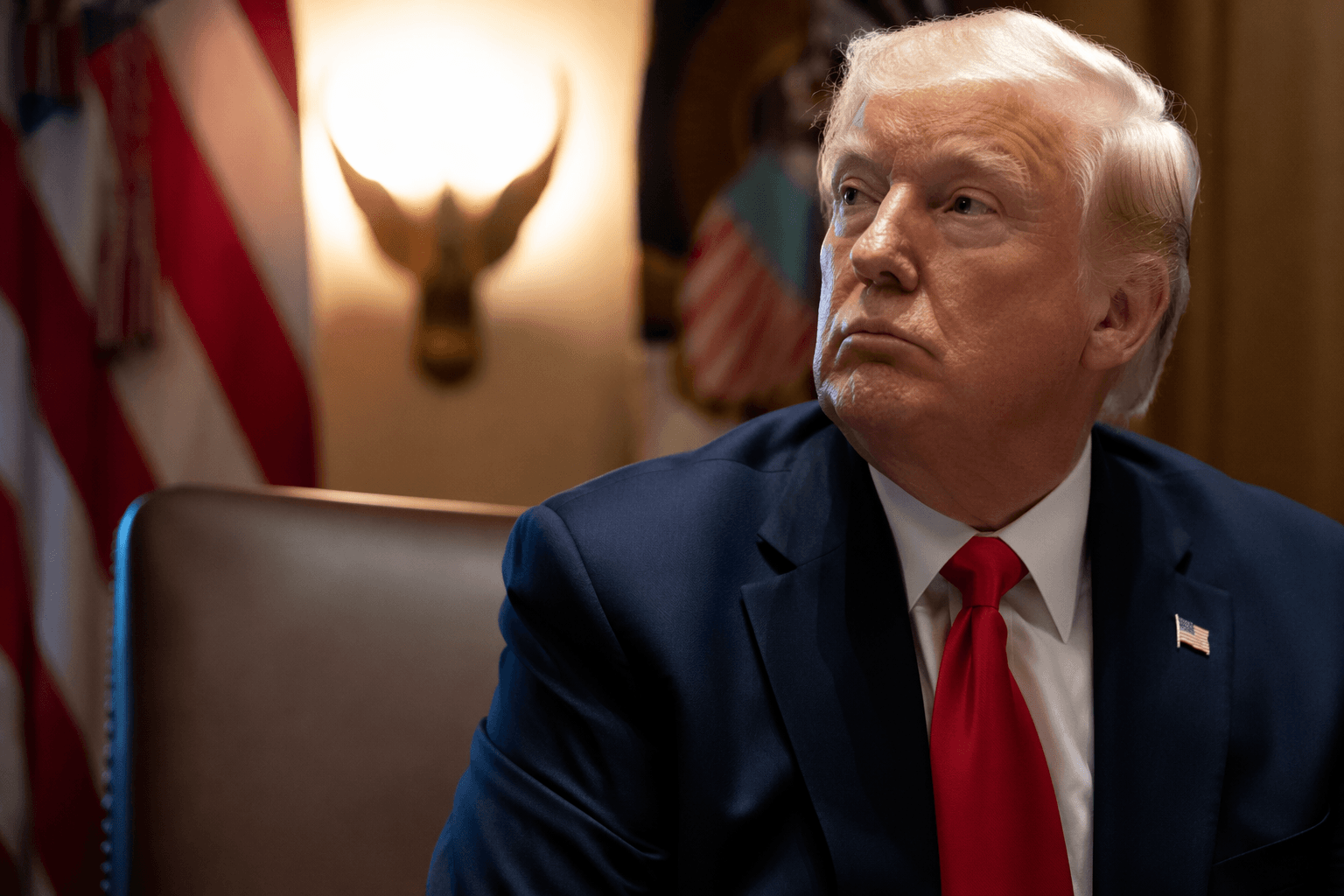
The comparison matters because the 2015 Joint Comprehensive Plan of Action did not include a direct American payment to Iran. Instead, it lifted and eased sanctions, allowing Tehran access to some of its own frozen foreign assets. Later estimates of those assets have varied widely, with some coverage putting the total above $100 billion, while the often-cited $150 billion figure has been criticized as overstating what Iran could actually receive. A separate $1.7 billion U.S. payment in 2016 was tied to a decades-old legal settlement over a failed pre-1979 arms deal, not to the nuclear accord itself.
Obama said any Trump-Iran deal would likely not be “significantly different” from the 2015 pact, and that warning goes straight to the substance-versus-spin gap driving the debate. Trump has spent years attacking the JCPOA as a “horrible” or “worst” deal, yet the mechanics now being described still center on conditional relief, access to assets and compliance. Reports on the draft or memorandum of understanding also link it to a ceasefire extension and the reopening of the Strait of Hormuz, which would make the package as much about regional stabilization as about nuclear policy.
If the deal moves forward, the core question in Washington will not be whether Trump used different rhetoric from Obama. It will be whether the underlying bargain is materially new, or simply the same diplomacy recast with tougher branding.
This article was produced by Prism’s automated news system from verified source data, official records, and press releases, then run through automated quality and moderation checks before publishing. The system is built and supervised by the people who set the standards it runs under. Read our full AI policy.
Know something we missed? Have a correction or additional information?
Submit a Tip