Republicans seek details on Trump’s Iran deal ahead of signing
Republicans say they still have not seen the text of Trump’s Iran accord, even as the White House readies a Friday signing in Geneva.
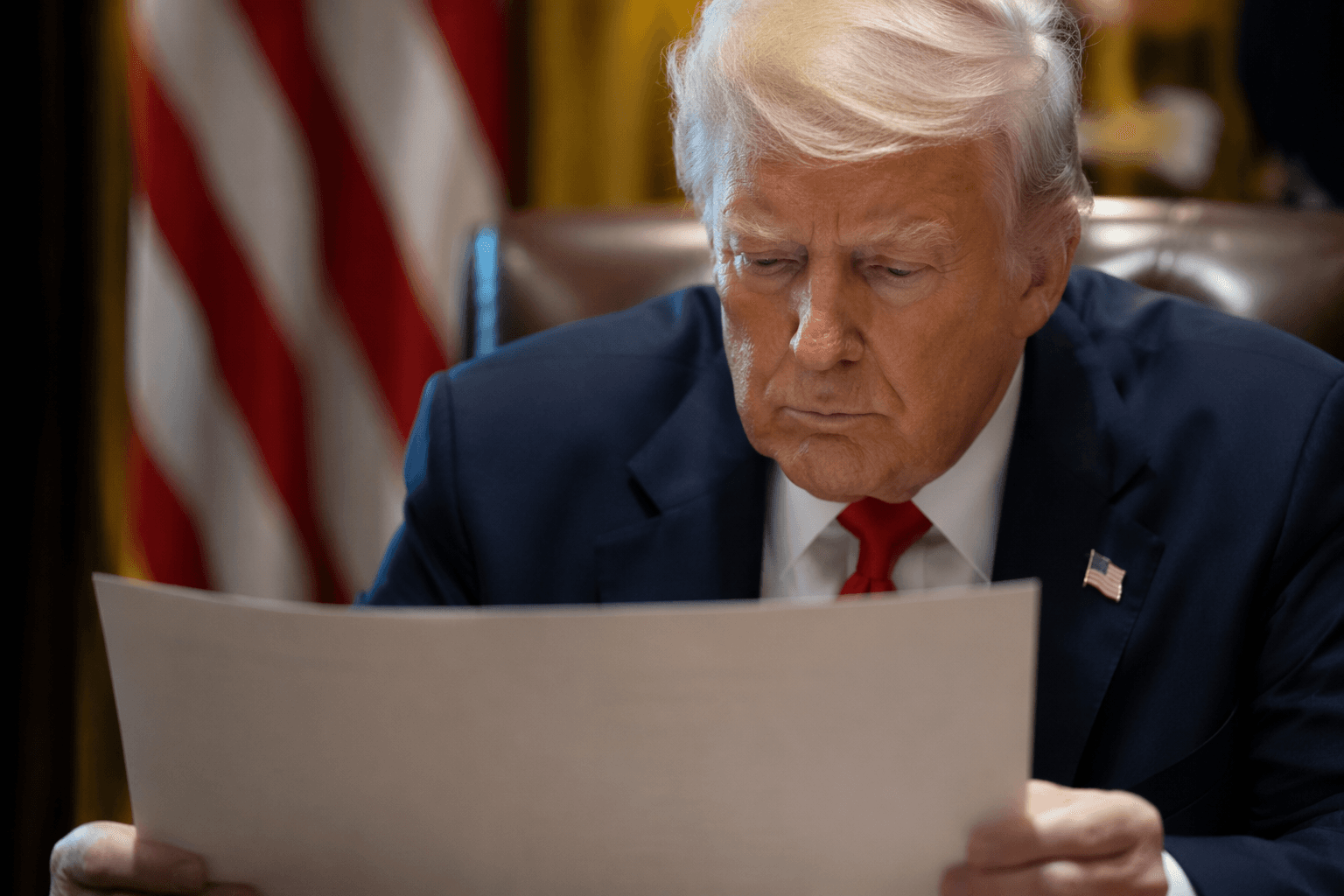
The White House is selling a diplomatic breakthrough at the G7 summit in Evian-les-Bains, France, but key Republicans say they still have not seen the text of Donald Trump’s Iran agreement. The missing memorandum has left Capitol Hill with an information vacuum just as the deal is set for a ceremonial signing Friday in Geneva and is said to center on reopening the Strait of Hormuz and easing the U.S. naval blockade there.
Senate Republicans and Democrats returning to Washington said the biggest questions remain basic ones: who will verify Iranian compliance, what happens to highly enriched uranium at damaged nuclear sites, and how the agreement will be enforced if Tehran falls short. Senate Majority Leader John Thune said he had not been personally briefed and pointed to compliance and enforcement as the key issues lawmakers need answered before the deal is judged.
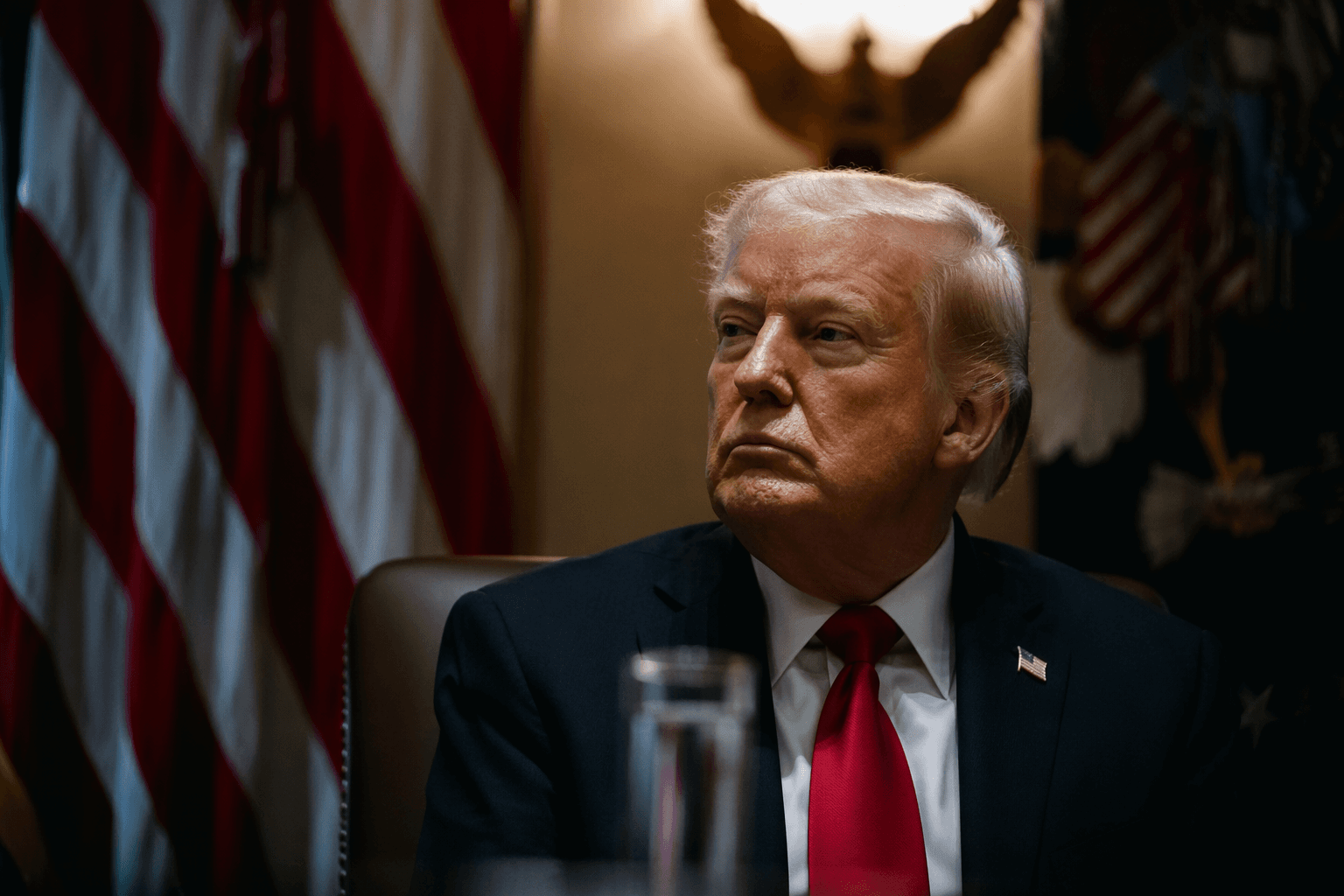
Several Republicans were openly skeptical of the administration’s pitch. Sen. Thom Tillis of North Carolina said, “If it’s a secret deal then how can I take it seriously?” Sen. Lindsey Graham of South Carolina, a longtime Iran hawk and Trump ally, said he was “pulling for a deal” but doubted Iran would stop enriching uranium and wanted to see the memorandum for himself. Sen. James Lankford said the arrangement could not be treated as an executive agreement, underscoring the growing push from Capitol Hill for a fuller congressional role.
Vice President JD Vance said the White House would release the text this week, but senior U.S. officials have already sketched a broader package that could include the release of frozen Iranian funds, sanctions relief and a $300 billion reconstruction fund if Tehran meets specified benchmarks. Those possible concessions are at the center of the dispute, with lawmakers seeking to know whether the terms amount to leverage for enforcement or upfront relief before Iran has proved it will comply.
The fight echoes Congress’s clash over the 2015 nuclear accord, the Joint Comprehensive Plan of Action. The Iran Nuclear Agreement Review Act of 2015 created a 30-calendar-day review period for certain agreements with Iran, and for agreements transmitted between July 10, 2015, and September 7, 2015, Congress had 60 days to review them. Then, as now, lawmakers argued over whether sanctions relief and cash concessions would restrain Tehran or strengthen it. Until the administration releases the memorandum and answers the enforcement questions, the deal will remain more political announcement than settled agreement.
This article was produced by Prism’s automated news system from verified source data, official records, and press releases, then run through automated quality and moderation checks before publishing. The system is built and supervised by the people who set the standards it runs under. Read our full AI policy.
Know something we missed? Have a correction or additional information?
Submit a Tip