Trump picks Jay Clayton for intelligence post after bipartisan backlash
Trump pulled back his first intelligence pick after bipartisan blowback and pressed Jay Clayton’s swift confirmation as Section 702 neared its April 20 sunset.

President Donald Trump shifted course on his intelligence pick after bipartisan resistance hardened in Washington, naming Jay Clayton and urging the Senate to move quickly. The reversal came as Congress was already under pressure to deal with expiring surveillance powers, making the personnel fight part of a much larger struggle over national security authority.
The job at stake is not a routine cabinet post. The director of national intelligence coordinates 18 intelligence agencies, a portfolio that puts the office at the center of how the CIA, the National Security Agency and other arms of the federal government share information. That made the nomination especially consequential as the Senate Intelligence Committee set Clayton’s open confirmation hearing for June 17, 2026, at 2 p.m.
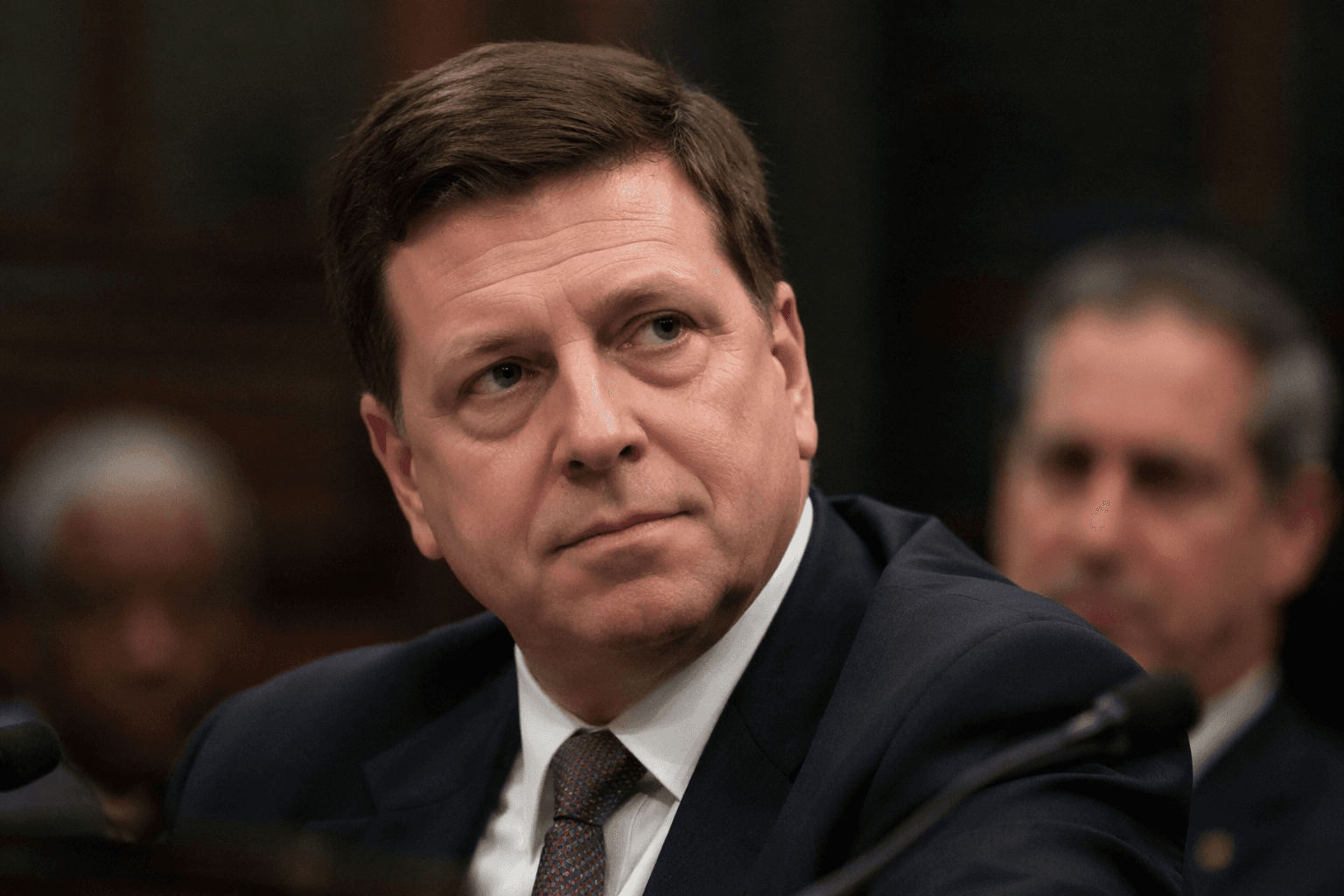
Trump’s first acting choice, Bill Pulte, drew criticism from Republicans and Democrats over his lack of intelligence experience. The backlash was strong enough to force the White House toward a more traditional nominee, even as Democrats and civil-liberties advocates warned that installing Pulte in an acting role could complicate the renewal of foreign-intelligence surveillance powers.
That pressure was intensified by the clock on Section 702 of the Foreign Intelligence Surveillance Act. Congress last reauthorized the authority on April 20, 2024, and it was set to sunset on April 20, 2026, leaving lawmakers to confront whether and how to extend a tool that intelligence officials say is central to foreign surveillance and lawmakers say must be tightly controlled. The looming deadline made the nomination fight more than a personnel dispute, because it intersected directly with whether Congress would keep warrantless surveillance authorities in place.
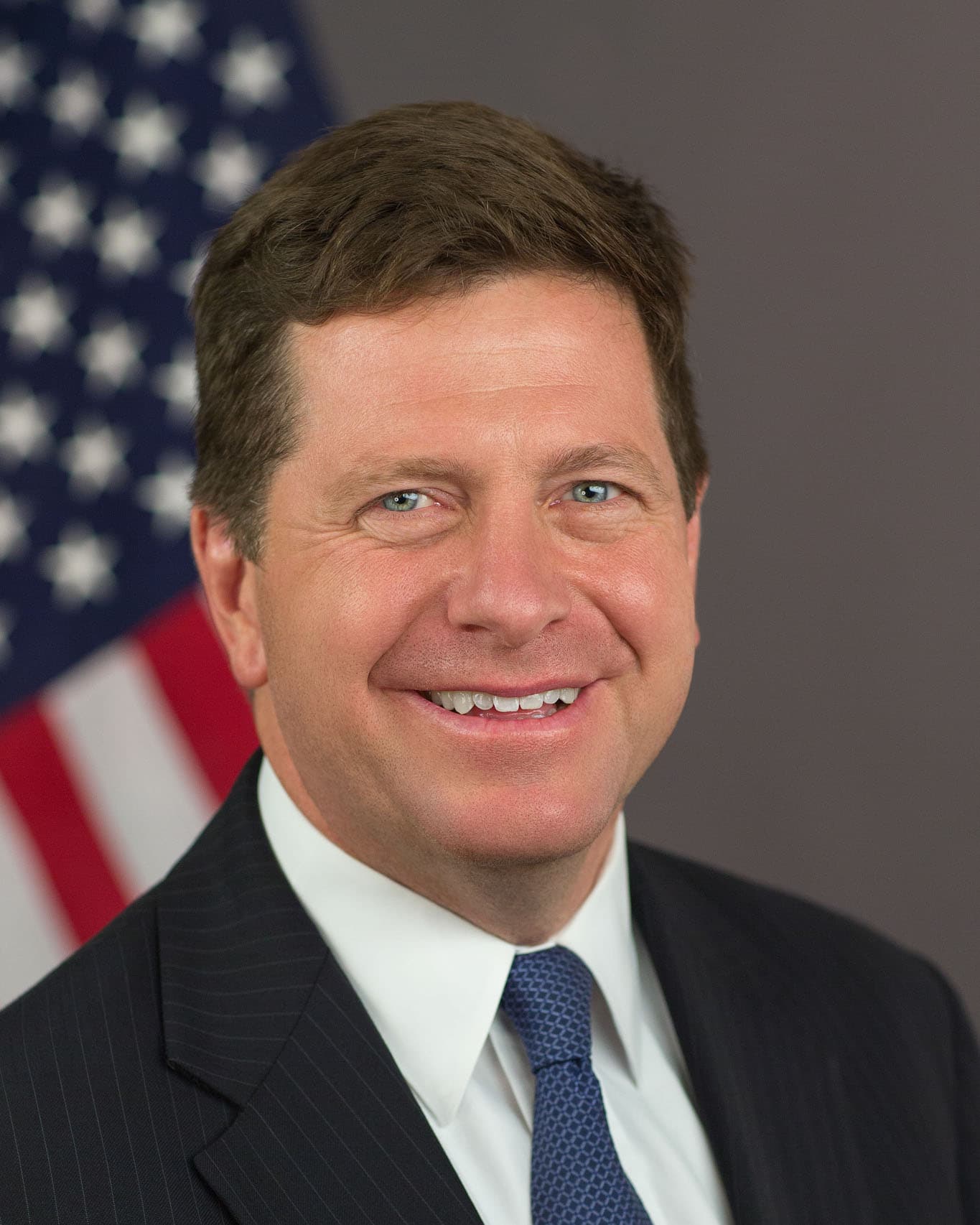
By turning from Pulte to Clayton, Trump appeared to be lowering the temperature on one front while keeping leverage on another. Clayton’s nomination gave the administration a more conventional figure for the intelligence post, but the episode also showed how a White House appointment can become a pressure tactic in a separate legislative fight, with Congress forced to weigh both the nominee and the future of the surveillance law at the same time.
This article was produced by Prism’s automated news system from verified source data, official records, and press releases, then run through automated quality and moderation checks before publishing. The system is built and supervised by the people who set the standards it runs under. Read our full AI policy.
Know something we missed? Have a correction or additional information?
Submit a Tip
