Rachel Reeves faces pressure as special election tests Labour finances
A special election has put Rachel Reeves’ tight fiscal strategy under fresh pressure as Labour balances borrowing discipline against demands for relief and growth.

Rachel Reeves has spent her first two years at the Treasury trying to prove that Labour can be trusted with the public finances, but a special election is now testing how far that discipline can survive political pressure. As the first female Chancellor of the Exchequer, appointed on 5 July 2024 after winning Leeds West and Pudsey, Reeves has built her reputation around rules on borrowing and spending even as those rules have been squeezed by slower growth, higher borrowing costs and repeated tax rises.
Her first Budget on 30 October 2024 set the tone. Reeves announced about £40bn of tax rises, including a £25bn increase in employers’ National Insurance contributions, as she tried to raise revenue without abandoning Labour’s claim to fiscal credibility. The Office for Budget Responsibility said roughly 74,000 non-doms were in the UK in 2022-23 and forecast some additional departures under the new tax regime, underscoring the risk that higher taxes could drive more wealth and income out of the country.
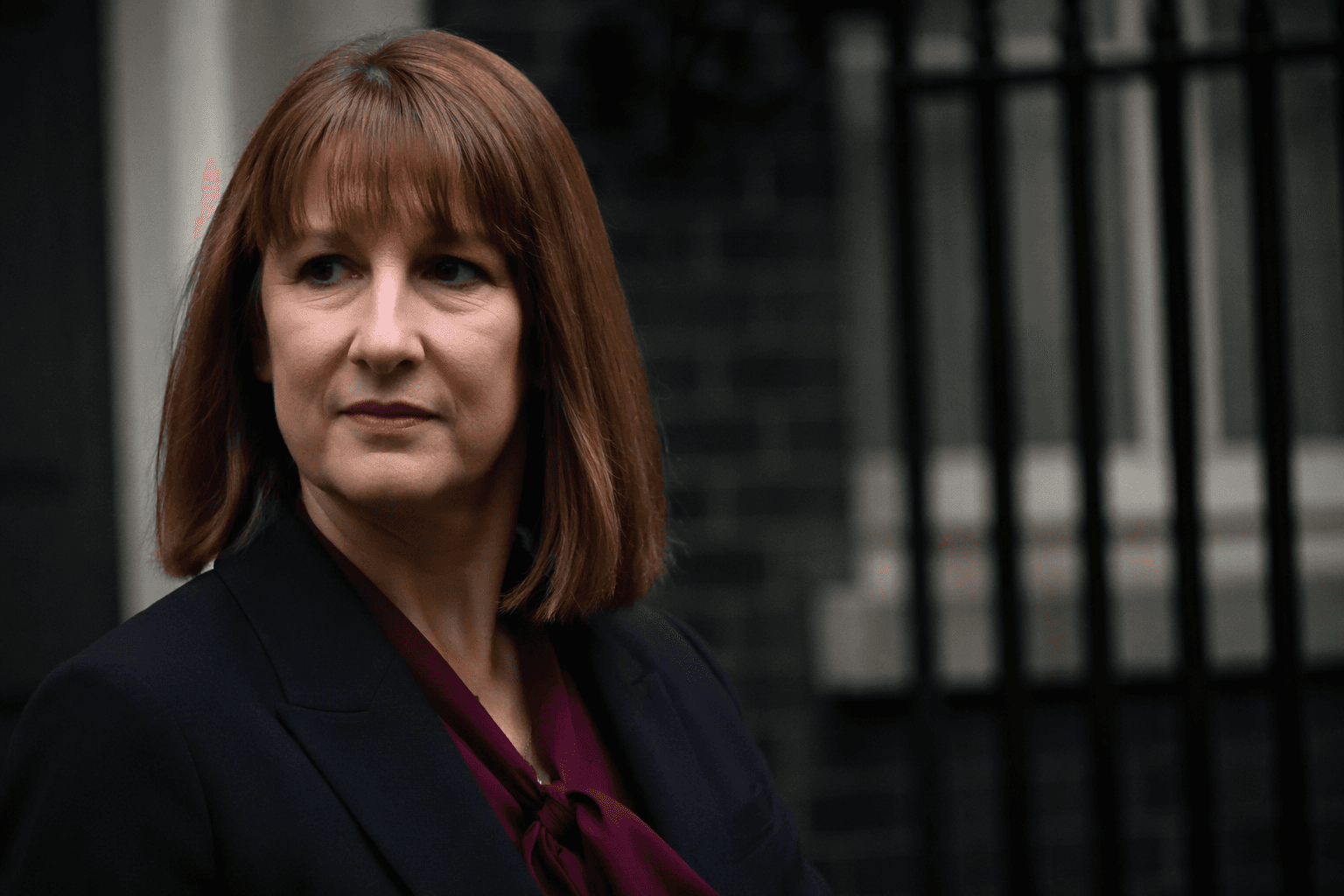
The strain became clearer in March 2025, when Reeves said the government would meet its ‘stability rule’ of matching day-to-day spending with tax receipts by 2029-30. Even so, she had to announce a roughly £14bn fiscal repair package after weaker growth and higher borrowing costs pushed her finances into the red against that rule. The Office for Budget Responsibility said in March that GDP would grow about 1% in 2025, around half its previous forecast, while the Spring Statement response said public debt would continue to rise.
By June, Reeves was still being forced to choose between priorities that rarely fit together. On 11 June 2025, she announced that defence spending would rise to 2.6% of GDP by April 2027, with part of the increase funded by cuts to the overseas aid budget. The shift showed how quickly fiscal room can be converted into political trade-offs, especially when ministers are trying to reassure markets while also keeping party promises intact.
Her second Budget in November 2025 added another £26bn in taxes and lifted the tax burden to an all-time high of 38% of GDP by the end of the parliament. It also left fiscal headroom of £22bn, up from £9.9bn in March 2025, but the Institute for Government has warned that Reeves has left herself little room for error. Allies have publicly backed her to stay on as Chancellor into the next election, yet the special election has turned her finances into a live political test, where stability now carries its own cost in lost flexibility, weaker relief and growing pressure inside Labour.
This article was produced by Prism’s automated news system from verified source data, official records, and press releases, then run through automated quality and moderation checks before publishing. The system is built and supervised by the people who set the standards it runs under. Read our full AI policy.
Know something we missed? Have a correction or additional information?
Submit a Tip