Georgia Republicans eye new congressional map fight after court ruling
Black voters in southwest Georgia could lose clout if Republicans redraw the state’s maps, after a Supreme Court ruling weakened a key Voting Rights Act safeguard.
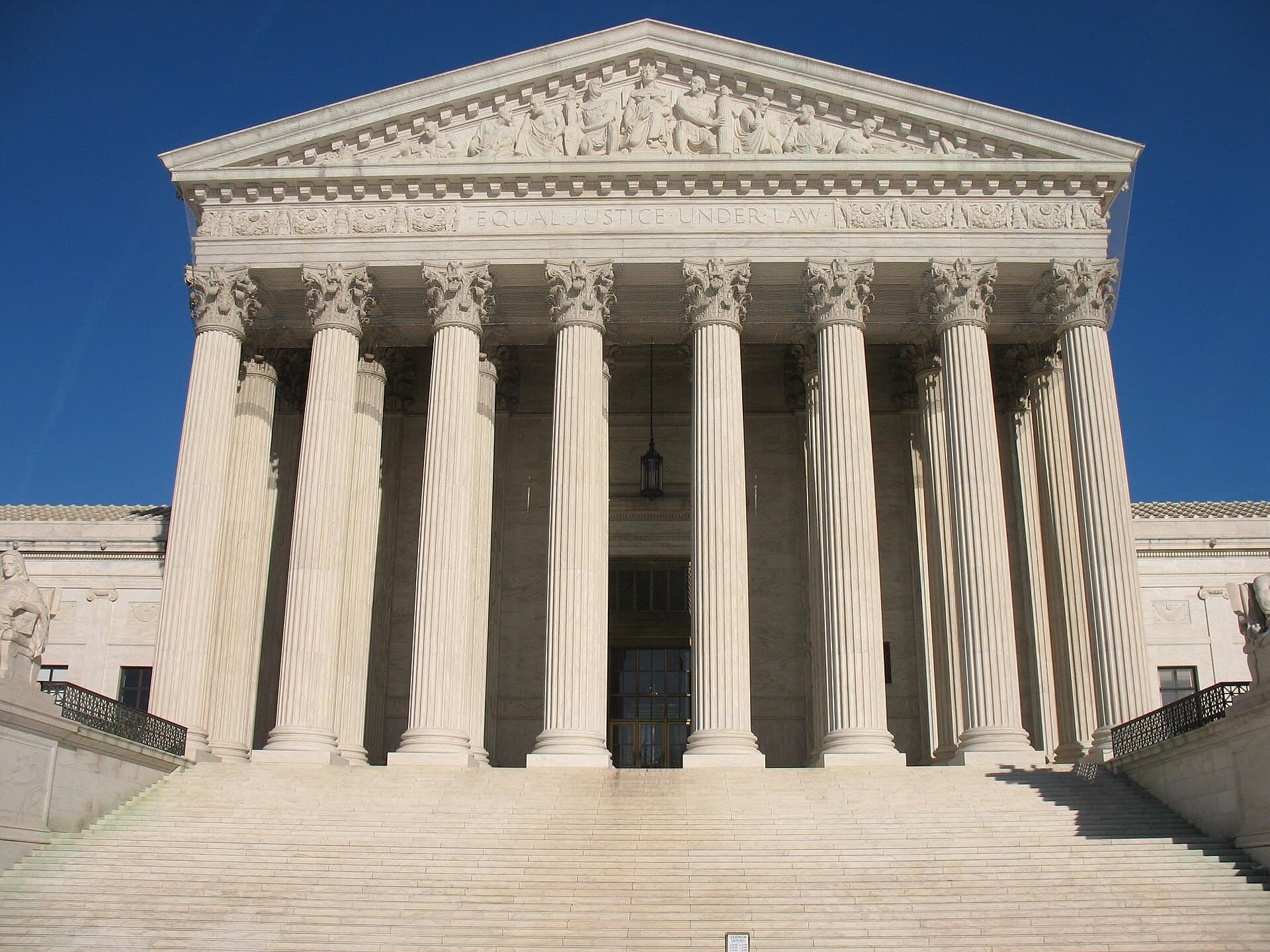
Black political power in southwest Georgia could be the first casualty if Georgia Republicans force a new congressional map fight. One likely target is U.S. Rep. Sanford Bishop’s district in and around Columbus, a rare Democratic foothold outside metro Atlanta, and any redraw could shift influence away from Black voters before the 2028 cycle even if it leaves the 2026 election map unchanged.
The opening came after the U.S. Supreme Court’s April 29, 2026, decision in Louisiana v. Callais further weakened Section 2 of the Voting Rights Act, the legal tool that had been used to challenge maps that dilute Black voting strength. Gov. Brian Kemp has said he will not redraw Georgia’s political lines before the 2026 elections, but the issue is now tied to the state’s next political fight as lawmakers opened a special session June 17 to handle redistricting and other election issues. Georgia’s current congressional boundaries were already redrawn after earlier court battles over racial vote dilution, and those court-ordered maps took effect only two years ago.
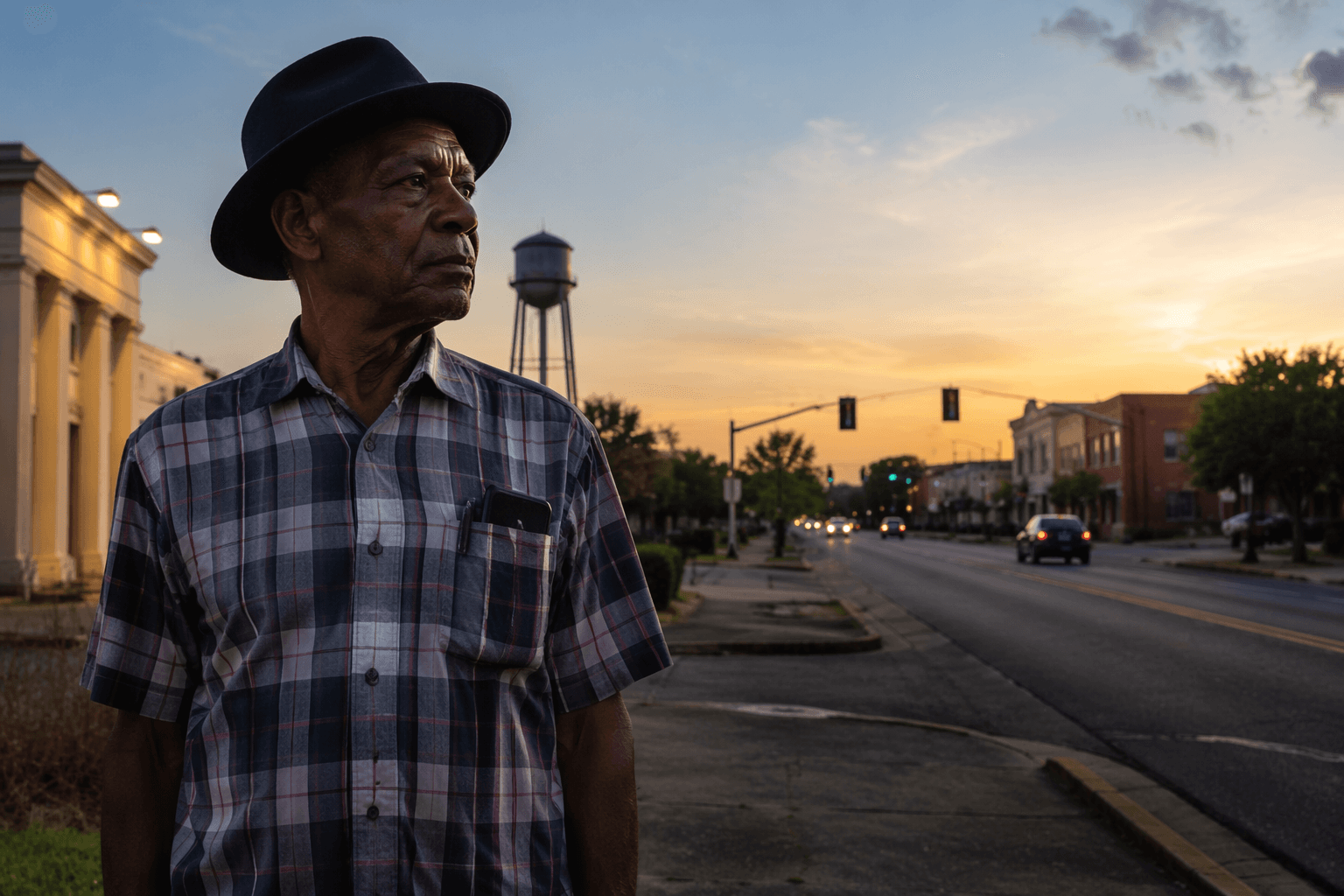
That history gives the new fight higher stakes than a routine mid-cycle shuffle. The Voting Rights Act helped create majority-minority districts and opened the door to Georgia’s first Black elected officials since Reconstruction. Before the law, Georgia had sent only one Black person to Congress; since then, the state has elected 11. Jefferson F. Long became the second African American elected to the U.S. House in December 1870, and Andrew Young later became the first Black member from a former Confederate state since 1901.
The political response has been sharply divided. U.S. Sen. Raphael Warnock has condemned GOP efforts to eliminate seats held by Black lawmakers as a betrayal, and Black leaders at the state and local level have warned that the ruling could roll back hard-won representation. Republicans are split as well, with some pressing for a more aggressive redraw while Kemp has resisted moving immediately. The governor’s decision to hold off on a pre-2026 change does not end the fight; it only pushes the central question into the 2028 map cycle.
If Georgia Republicans move ahead, the next clash is likely to turn on whether new lines weaken Black voting power in places like Columbus and other communities that have relied on majority-minority districts to elect candidates of their choice. With Section 2 newly narrowed, fresh legal challenges are likely to follow, making Georgia one of the South’s most consequential battlegrounds over political representation.
This article was produced by Prism’s automated news system from verified source data, official records, and press releases, then run through automated quality and moderation checks before publishing. The system is built and supervised by the people who set the standards it runs under. Read our full AI policy.
Know something we missed? Have a correction or additional information?
Submit a Tip

