Trump delays intelligence nominee to pressure Congress on voter ID bill
Trump tied Jay Clayton’s intelligence nomination to a voter ID fight, canceling the hearing until Congress moved on other demands and widening a FISA standoff.
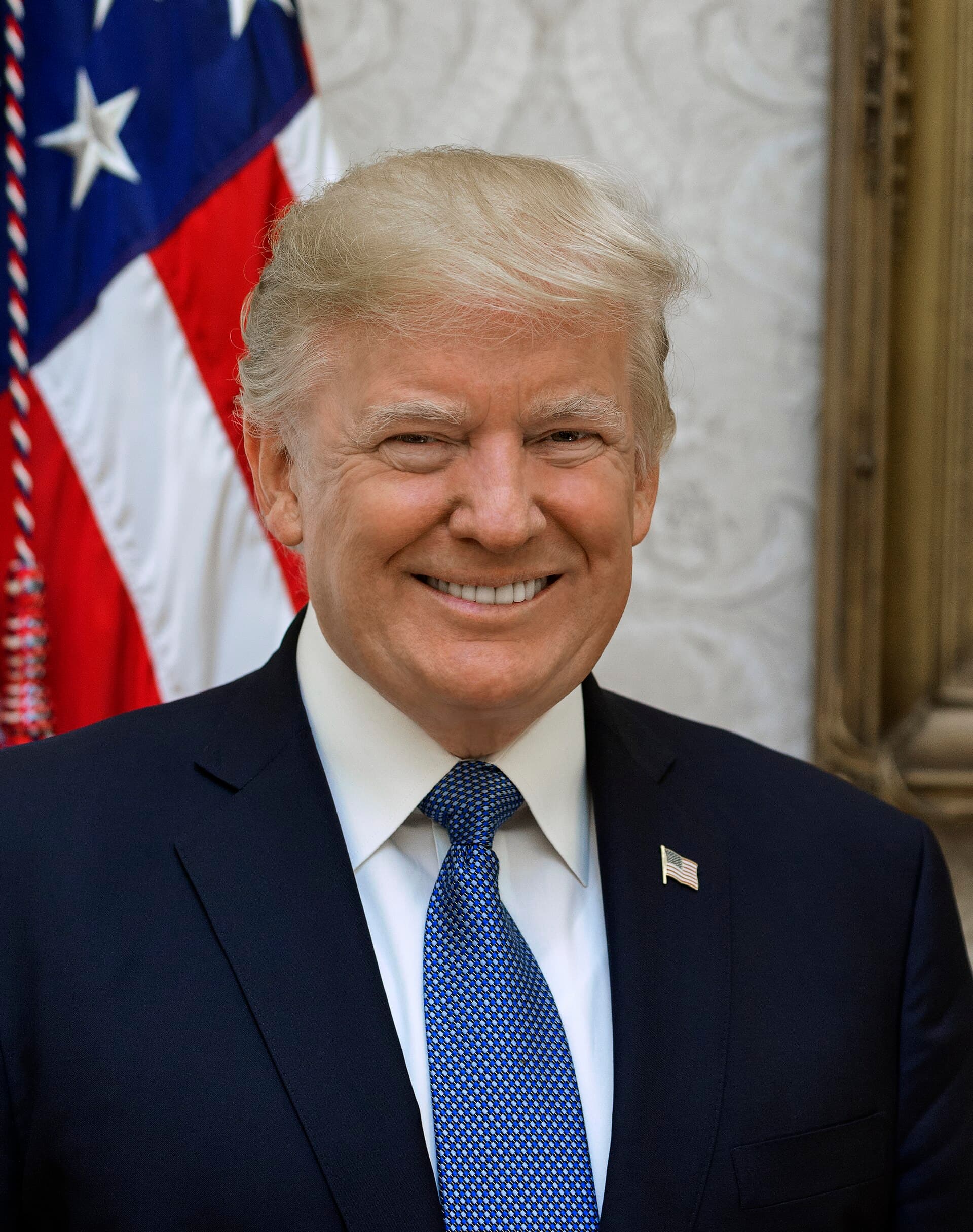
President Donald Trump turned a routine intelligence confirmation into a piece of legislative leverage, saying he would not allow Jay Clayton’s nomination to move until Congress acted on a voter ID bill and confirmed another nominee he wants. The move blurred the line between national security staffing and domestic bargaining at a moment when Congress is already deadlocked over surveillance powers and the future of the acting intelligence chief.
The Senate Intelligence Committee had scheduled Clayton’s open hearing for June 17, 2026, at 2:00 p.m. in Dirksen G50. Trump had nominated Clayton on June 11 and urged the Senate to confirm him quickly, but he said the hearing would not proceed until James McDonald was confirmed as U.S. attorney for the Southern District of New York. Trump also said Bill Pulte, who was serving as acting director of national intelligence, would stay in the post for now.
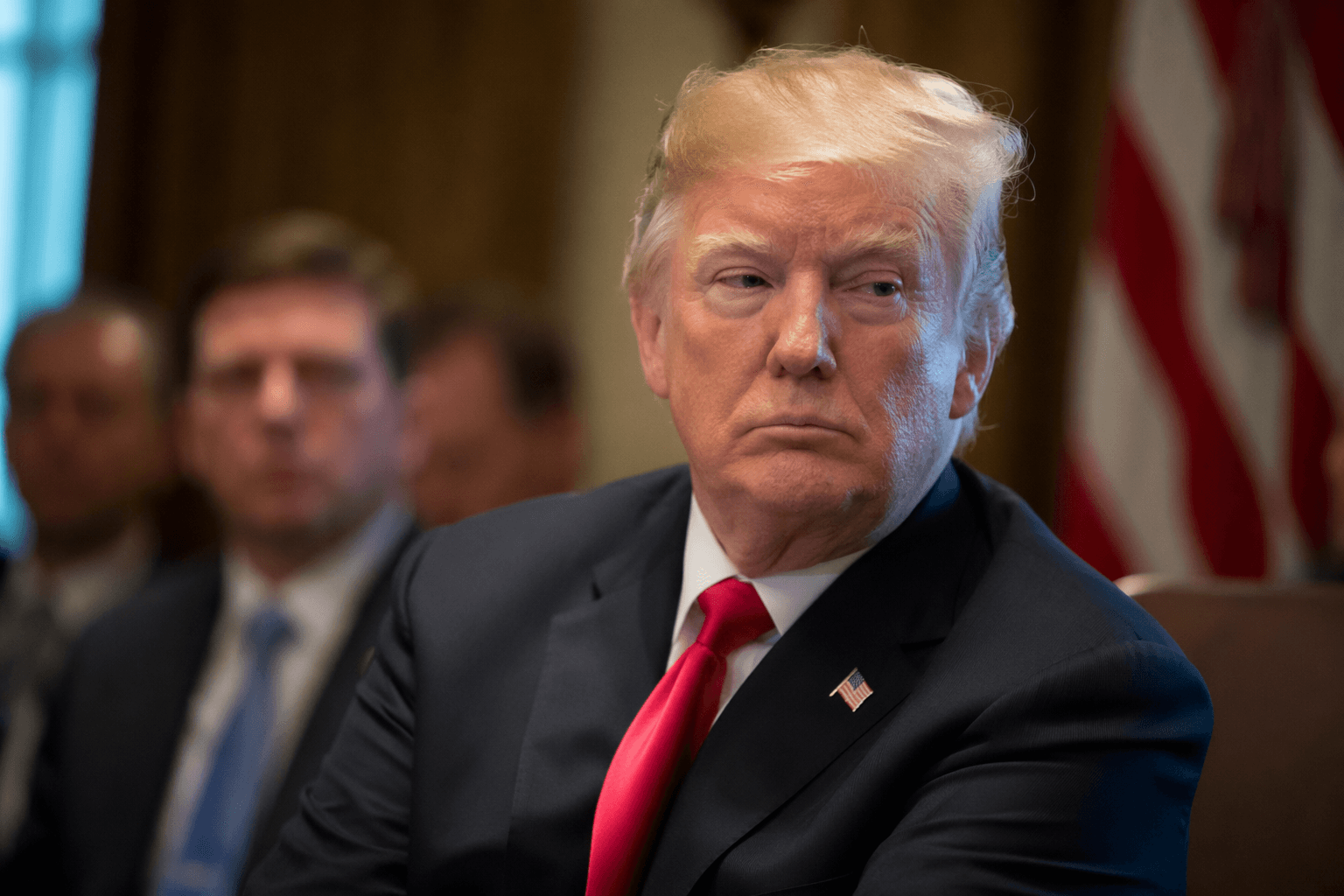
The staffing fight landed in the middle of a broader clash over the Foreign Intelligence Surveillance Act. Reuters reported that Trump tied the delay to FISA renewal and said he would not approve any extension without his Save America Act, which would require proof of citizenship for voting. Congress rejected a short-term extension of foreign surveillance powers last week amid the Pulte impasse, and some lawmakers have opposed any FISA extension at all.
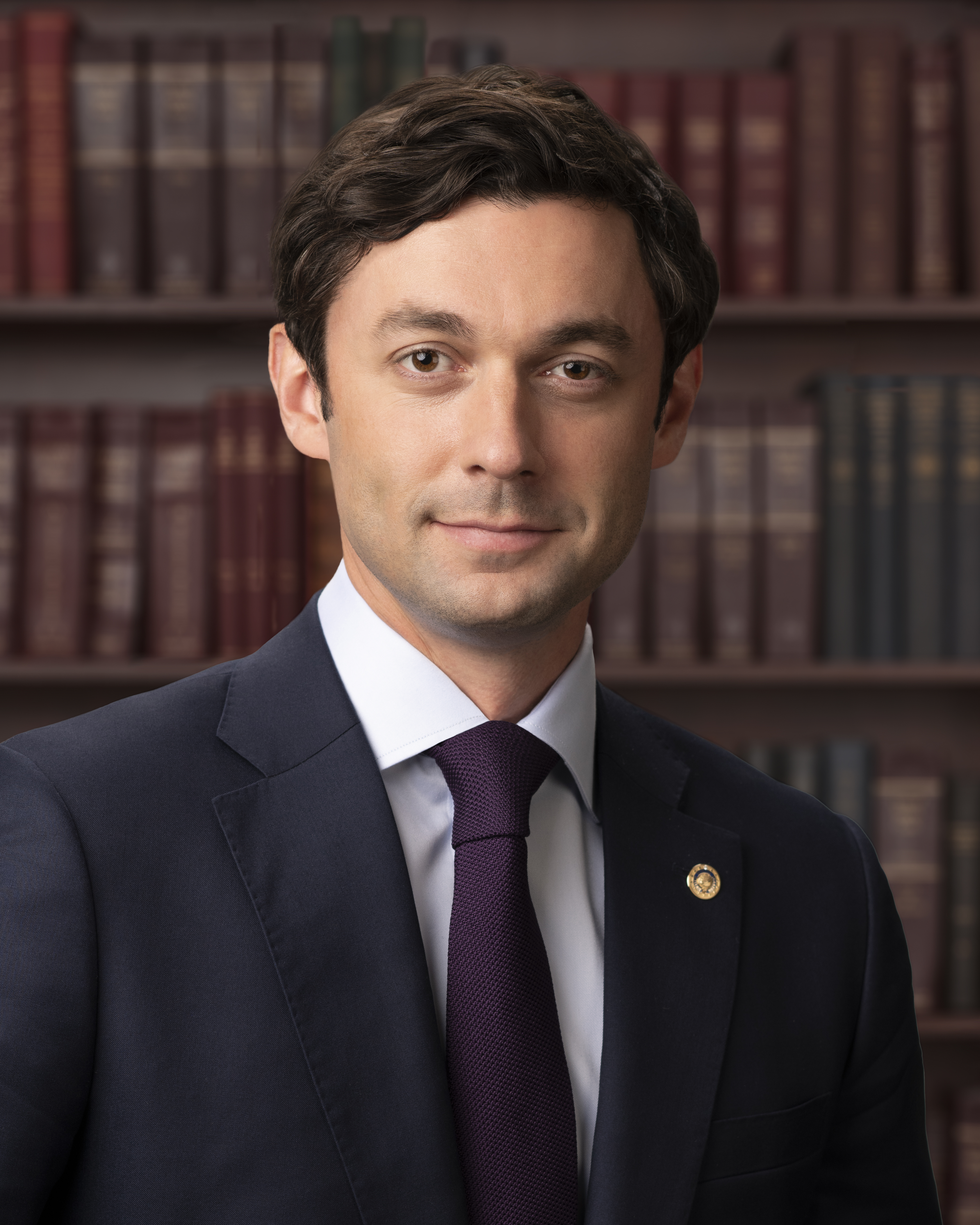
Clayton’s nomination has been freighted with both policy and politics. He was selected after an uproar on Capitol Hill over Pulte’s continued service in an acting capacity, with lawmakers criticizing Pulte for lacking national-security experience. Senate Majority Leader John Thune called Clayton a very qualified professional and said the Senate would try to move him quickly. Senate Minority Leader Chuck Schumer said Democrats’ position on a FISA extension would not change unless Pulte was removed.
The stakes reach beyond one nomination. The director of national intelligence serves as the president’s top intelligence adviser and coordinates budgets and analysis across the 18 intelligence agencies, but the office does not directly order foreign spying operations. By tying that post to a voter ID bill and a separate prosecutor confirmation, Trump injected a domestic policy fight into a job meant to sit above partisan horse-trading, signaling a willingness to use confirmation power as a broader negotiating weapon.
This article was produced by Prism’s automated news system from verified source data, official records, and press releases, then run through automated quality and moderation checks before publishing. The system is built and supervised by the people who set the standards it runs under. Read our full AI policy.
Know something we missed? Have a correction or additional information?
Submit a Tip