Trump disaster panel seeks faster aid, more state control over FEMA
A Trump-appointed panel wanted FEMA to move money faster after disasters, but its plan also would push far more responsibility onto states and tribes.
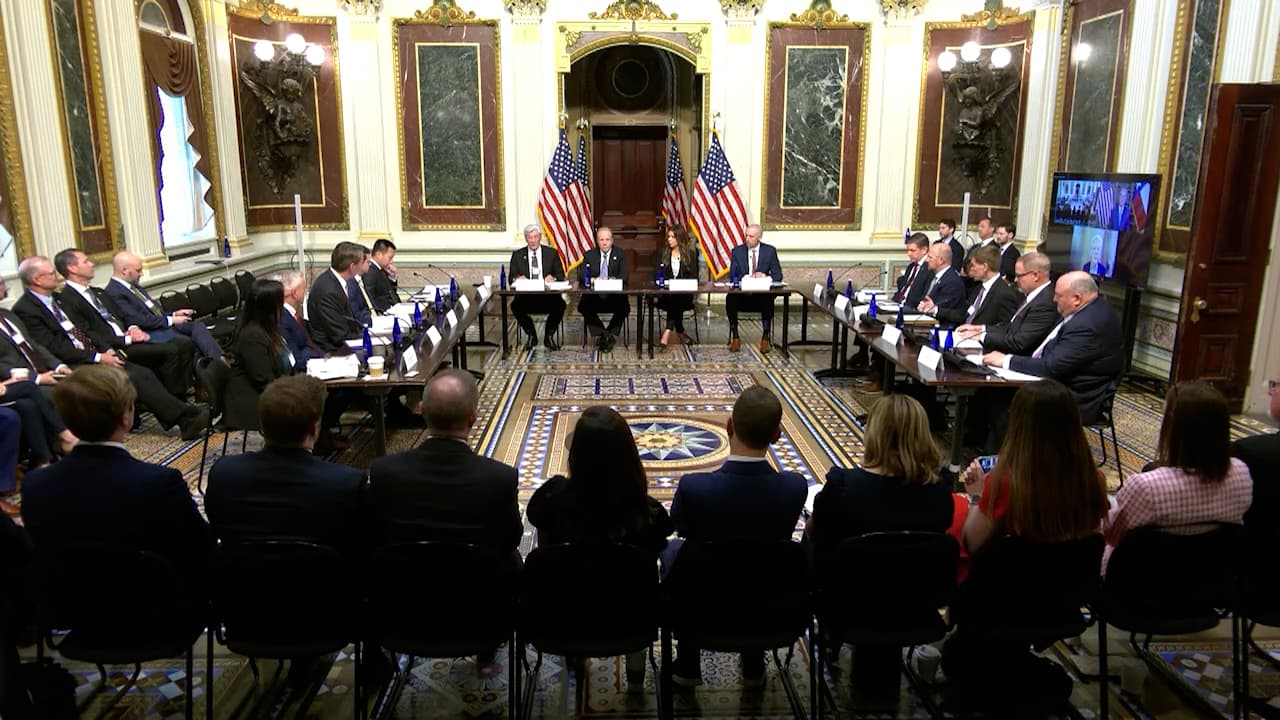
A Trump-appointed emergency panel wanted FEMA to move money faster after disasters, but its plan also would push far more responsibility onto states, tribes and territories. The 12-member FEMA Review Council approved a report at a public meeting in Washington that would redraw how the federal government decides when to help, how quickly money arrives, and who pays the bill.
The biggest change was a new trigger for federal aid. Instead of FEMA’s current per-capita, damage-based disaster declaration process, the panel proposed predefined metrics tied to weather conditions. Supporters said that could make federal help more predictable and speed up decisions when communities are reeling. But recent disasters showed the tradeoff: a system built on triggers could send aid faster after storms like Hurricane Helene in North Carolina, yet it could also raise the threshold for federal help in places where damage is severe but the numbers do not clear a new bar.
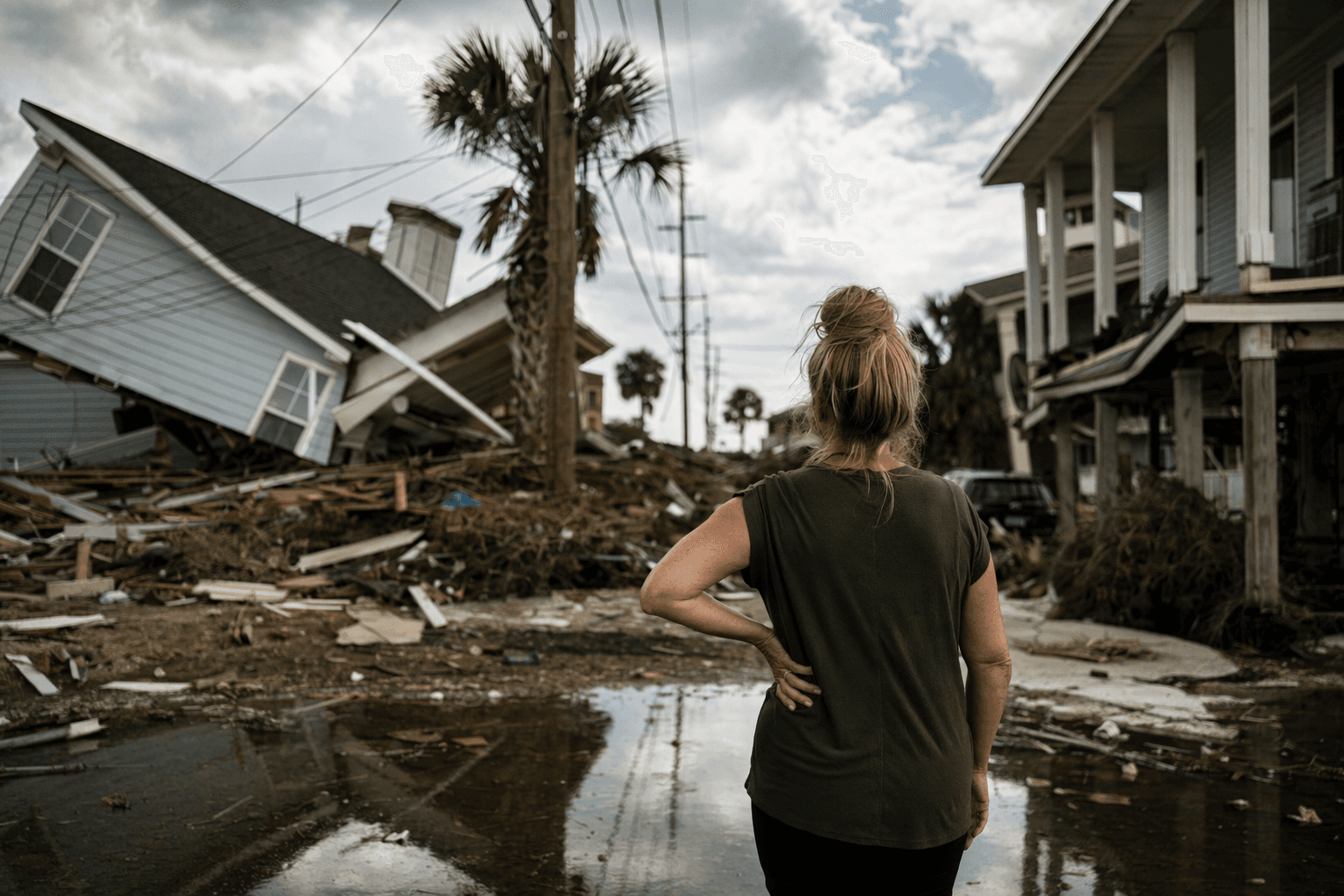
The second shift was even more immediate for survivors. The council recommended giving states direct federal payments within 30 days after a disaster, with a possible second payment later, instead of waiting for FEMA reimbursement after recovery work is finished. That approach would put cash in state hands sooner and could help families and local governments begin repairs without long delays. It would also test whether states have the staff, records and oversight systems to manage money quickly during a chaotic response. Disaster experts warned that more responsibility could overwhelm some state and local governments, the private sector or survivors themselves.
The third change would spread power deeper into the states and away from Washington. The report recommended reassessing FEMA staffing, reforming the National Flood Insurance Program and shifting more training and spending decisions to state, local and tribal authorities over two to three years. Many of the recommendations would require congressional action. Glenn Youngkin said the goal was to accelerate federal dollars and reduce bureaucracy, while Homeland Security Secretary Markwayne Mullin said the report offered “a clear direction” for an agency that is still “mission capable.”
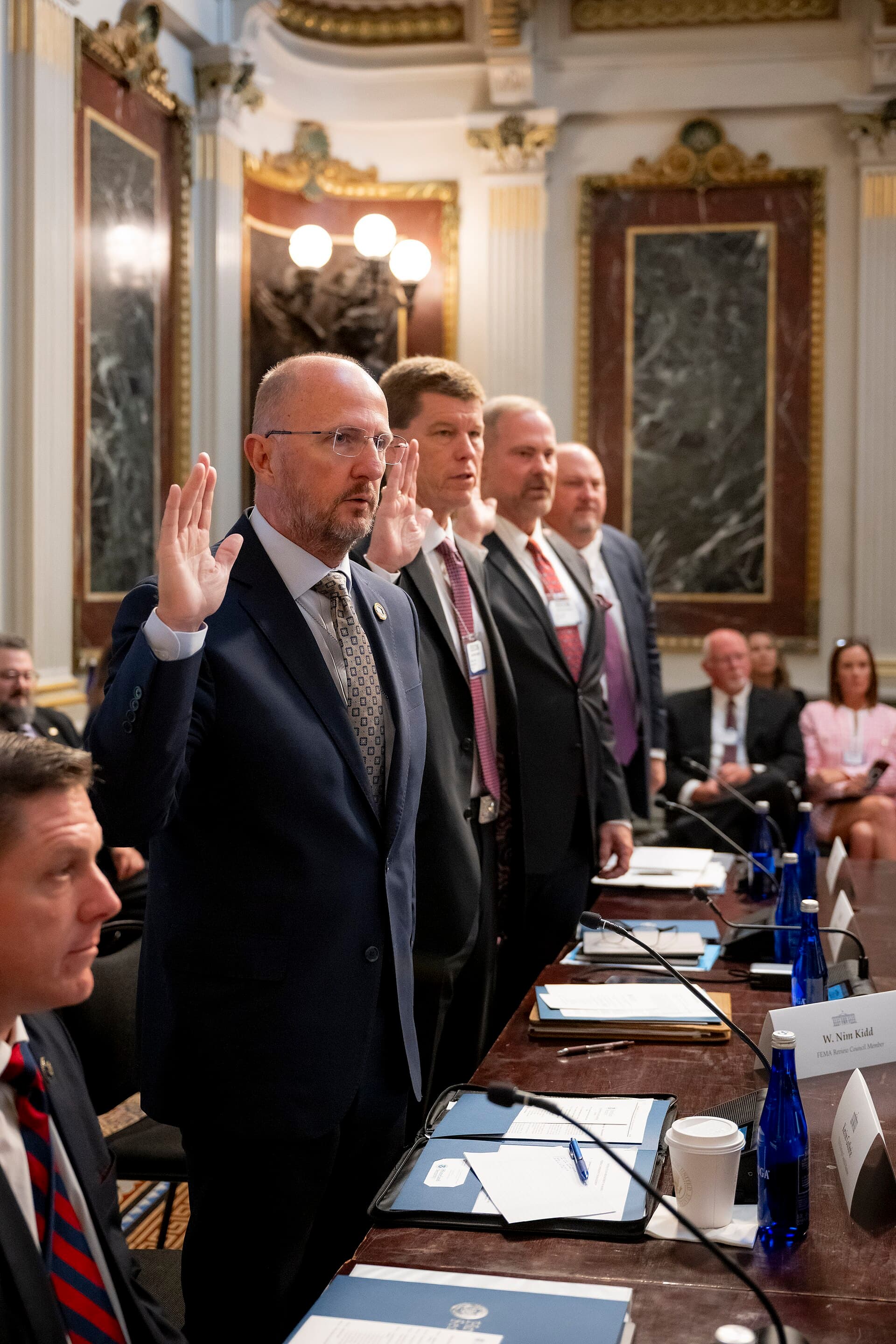
The panel was created after Donald Trump criticized FEMA’s response to Hurricane Helene in 2024. Its work had stalled before, including a canceled Dec. 11, 2025 meeting and a 60-day renewal after the council was set to expire in late January 2026. Even as the report pushes more authority outward, it says the federal government must keep building capability. That tension sits at the center of the overhaul: faster aid sounds appealing, but a higher bar for help could fundamentally redraw the line between state responsibility and national disaster relief.
This article was produced by Prism’s automated news system from verified source data, official records, and press releases, then run through automated quality and moderation checks before publishing. The system is built and supervised by the people who set the standards it runs under. Read our full AI policy.
Did this article answer your question?

