Trump escalates pressure on Venezuela while easing oil sanctions
The White House has mounted an intense military buildup targeting Nicolás Maduro’s regime while easing oil sanctions and licensing Chevron to resume exports.
The White House has mounted an intense military buildup targeting Nicolás Maduro’s regime, escalating tensions that undercut President Trump’s long-stated "America first" posture and complicate his self-proclaimed "president of peace" image. The posture pairs hard-line security claims with a rollback of energy restrictions, raising immediate questions about motives and strategic goals.
Administration officials designated the Venezuelan gang Tren de Aragua a "foreign terrorist organisation," and a White House proclamation last March linked that group to the Cartel de los Soles, described by the reporting as "a shadowy grouping of Venezuelan military figures." The administration "insists [the cartel] is headed by Maduro and is responsible for trafficking drugs to the US," an allegation that the sources say underpins elements of the new security push. Other sources have questioned that characterization, and critical details remain disputed.
At the same time, reporting says Nicolás Maduro and other senior regime figures "are said to have offered extensive concessions ... including offering the US a dominant stake in Venezuela’s oil industry." The administration has responded by loosening measures on petroleum: it "has even eased some sanctions on Venezuelan oil, granting Chevron a licence to resume operating in the country and increase exports from Venezuela." The scope, timing and legal terms of the Chevron licence have not been published in the material provided here, and the widely reported commercial concessions attributed to the Maduro government are described in hedged terms rather than presented as confirmed deals.
The shift in posture also reflects domestic political pressure. Senator Marco Rubio "has pushed for a tough approach to Venezuela," and the reporting links his advocacy to an escalation in confrontational policy. Other accounts assert that the president "reportedly only cares about the oil," a characterization that underscores the political salience of energy leverage even as the administration cites security and law-enforcement rationales.
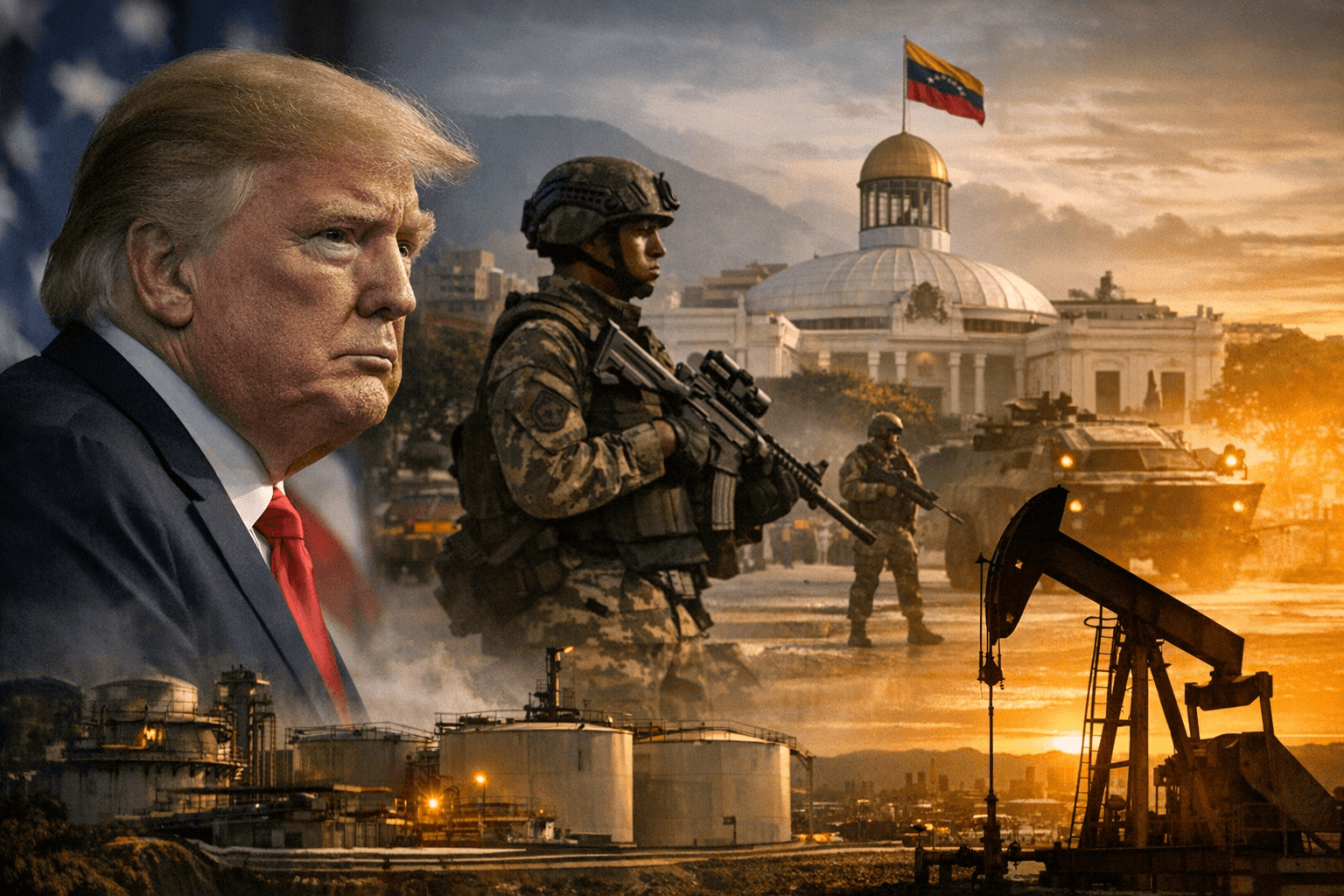
The combination of military pressure, criminal-designation rhetoric and commercial opening creates a complex policy mix with several immediate consequences. First, linking criminal organisations, migration flows and narcotics trafficking to a regime justification for force increases the risk that contested intelligence and prosecutorial claims become drivers of foreign policy. Second, reintroducing US oil firms into Venezuela while publicly pressing for regime accountability blurs the distinction between economic engagement and strategic leverage. Third, the public record underlying key assertions remains incomplete: the provenance of the alleged oil concessions, the evidentiary basis tying Maduro to the Cartel de los Soles, and the legal text of the Chevron licence are all matters that independent observers and lawmakers are likely to seek.
For lawmakers, voters and international partners, the core policy question is whether Washington is prioritizing counter-narcotics and migration enforcement, energy access, or an active campaign to produce regime change, and whether those aims are being pursued with the transparency and legal grounding democratic oversight requires. The present posture, combining intensified military options with eased sanctions on oil production, places those questions at the center of an unfolding US-Venezuela confrontation.
This article was produced by Prism’s automated news system from verified source data, official records, and press releases, then run through automated quality and moderation checks before publishing. The system is built and supervised by the people who set the standards it runs under. Read our full AI policy.
Did this article answer your question?

