Trump event cleanup at Lincoln Memorial Reflecting Pool sparks questions
Bulky nanobubbler machines were removed before Trump’s UFC-linked event, and Democrats then questioned no-bid work, algae and peeling paint at the Reflecting Pool.

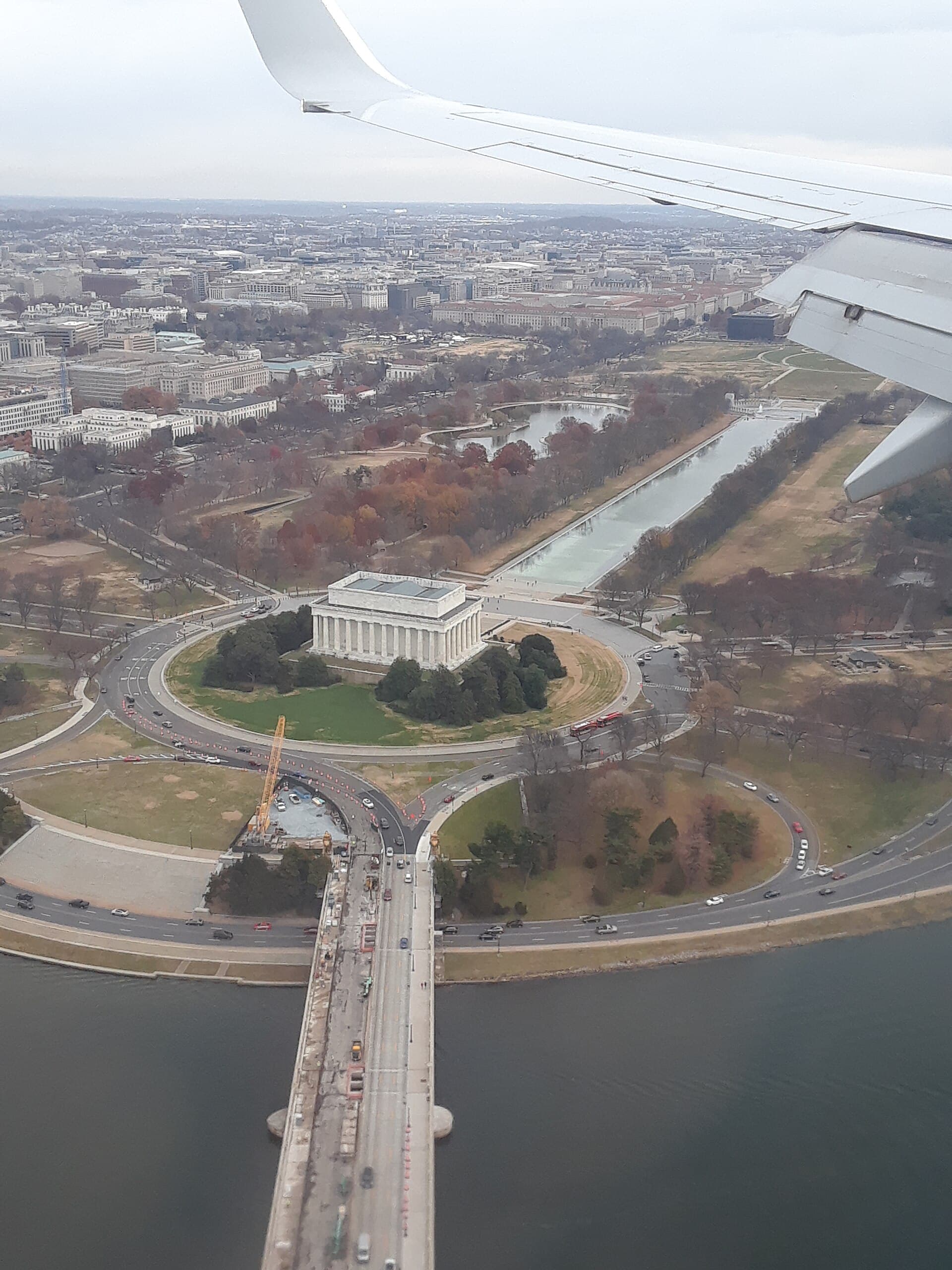
Bulky nanobubbler machines were carted off around the Lincoln Memorial Reflecting Pool ahead of a promotional event tied to President Donald Trump’s Ultimate Fighting Championship birthday party, putting a carefully managed national landmark under fresh scrutiny. The pool, completed in 1924, sits on the central axis between the Lincoln Memorial and the Washington Monument, and the National Park Service says its dark basin was deliberately designed to create a mirror-like reflective effect.
The Reflecting Pool is not just a backdrop. The park service describes it as one of Washington’s most recognizable and filmed sites, with the long promenade of elm trees on either side forming a key part of the Lincoln Memorial landscape. That same setting has carried major national symbolism before, including the covid memorial ceremony for President-elect Joe Biden and Vice President-elect Kamala Harris on Jan. 19, 2021, the eve of Biden’s inauguration.
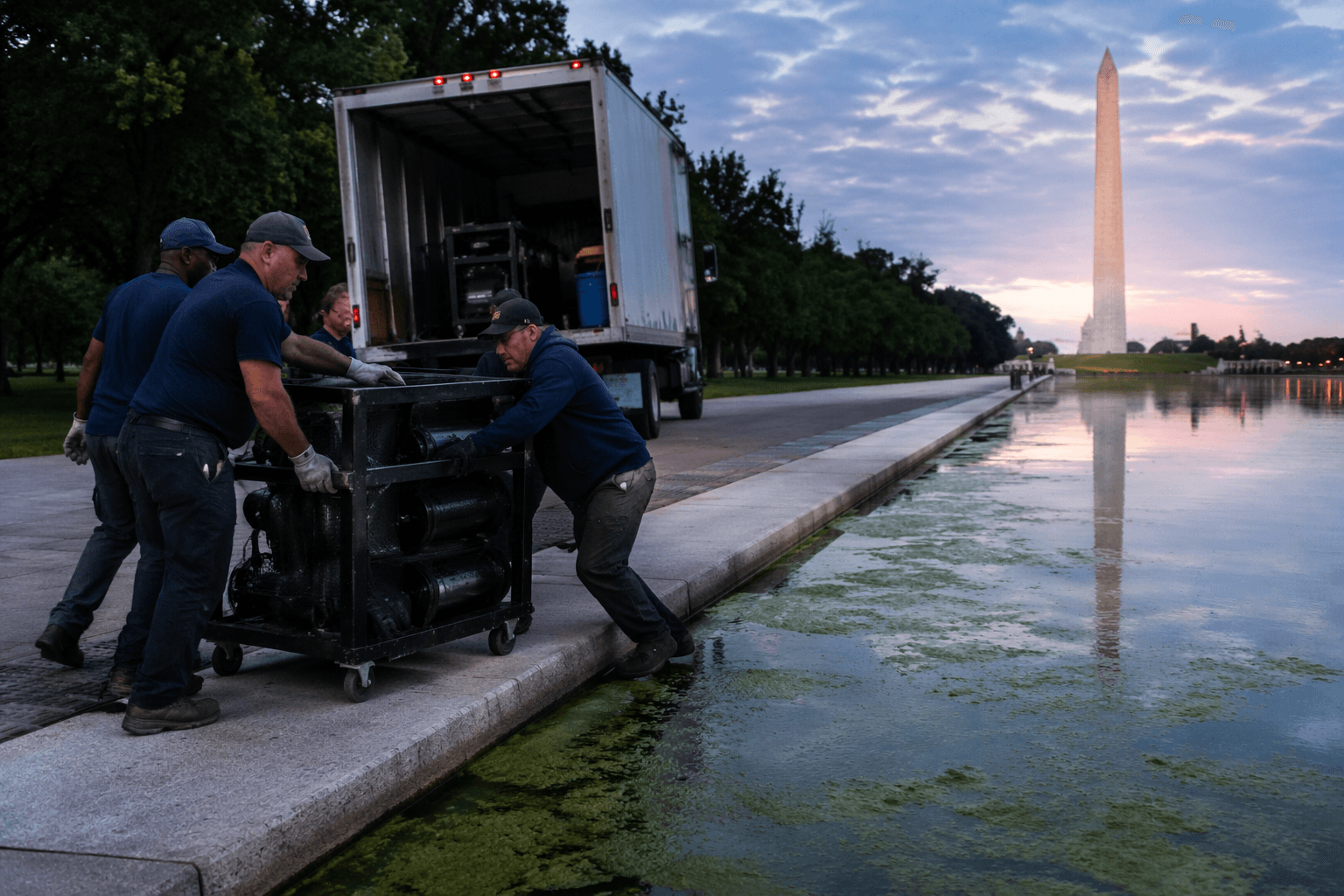
The cleanup and repair work has also drawn attention because the National Mall and Memorial Parks has long maintained the site through rehabilitation projects that cleaned the pool, repaired joints and installed lining material. An earlier rehabilitation effort was described as the largest ongoing National Park Service project under the 2009 American Recovery and Reinvestment Act, underscoring that changes to the pool have never been minor or purely cosmetic.
In the days around the June 2026 controversy, Democrats demanded answers from the White House and contractors about the use of no-bid contracts and whether the work contributed to an algae bloom and peeling paint. Public skepticism surfaced in letters to the editor asking, “Where’s the warranty on the Reflecting Pool renovation?” The questions now hanging over the pool are less about whether it can be restored than about who approved the rushed changes, what safeguards were bypassed and how much damage a drive for optics may have done to one of the country’s most visible memorial landscapes.
This article was produced by Prism’s automated news system from verified source data, official records, and press releases, then run through automated quality and moderation checks before publishing. The system is built and supervised by the people who set the standards it runs under. Read our full AI policy.
Know something we missed? Have a correction or additional information?
Submit a Tip