Trump Expands Travel Restrictions, Adds Syria and Palestinian Authority
President Donald J. Trump signed a proclamation on December 16 that broadens U.S. entry limits to dozens of countries, adding seven to full restrictions and placing Palestinian Authority travel documents under new constraints. The move reshapes migration and consular policy, with immediate diplomatic and humanitarian implications for affected countries and for U.S. alliances abroad.
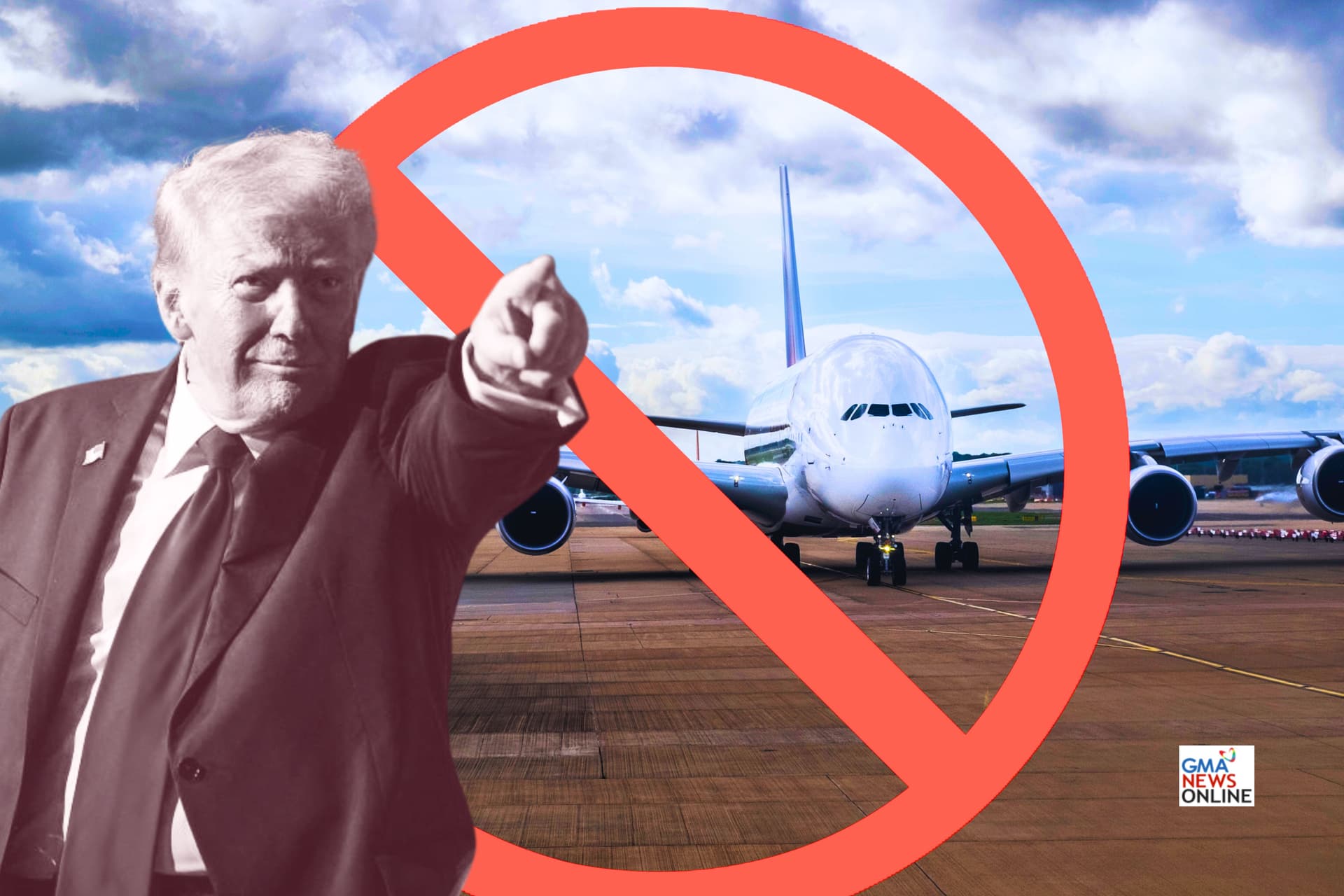
On December 16, President Donald J. Trump issued a presidential proclamation widening U.S. entry restrictions and visa limitations, expanding a policy first established in earlier proclamations to include a broader group of nations and the Palestinian Authority. The White House said the action added full restrictions on seven additional countries, upgraded two previously partially restricted countries to full restrictions, and imposed partial restrictions on 15 more nations, while explicitly adding Palestinian-Authority-issued travel documents to the set of limitations.
The proclamation preserves full entry limitations already applied to an initial group of 12 countries. Those nations are Afghanistan, Burma, Chad, the Republic of the Congo, Equatorial Guinea, Eritrea, Haiti, Iran, Libya, Somalia, Sudan, and Yemen. It then adds five countries as new subjects of full restrictions, naming Burkina Faso, Mali, Niger, South Sudan, and Syria. Two countries that had been subject to partial measures, Laos and Sierra Leone, were moved to full restrictions. The White House described the measure as targeting nations with "demonstrated, persistent, and severe deficiencies in screening, vetting, and in" their systems.
In addition to the seven movements to full restriction status, the proclamation imposes partial entry limitations on 15 countries. Those newly partially restricted states include Angola, Antigua and Barbuda, Benin, Cote d Ivoire, Dominica, Gabon, The Gambia, Malawi, Mauritania, Nigeria, Senegal, Tanzania, Tonga, Zambia, and Zimbabwe. The proclamation also continues partial restrictions that had previously applied to Burundi, Cuba, Togo, and Venezuela.
The administration framed the expansion as a response to deficiencies in vetting and screening, and as a reaction to security concerns tied to regional conflicts. The White House argued that militant groups operating in the West Bank and Gaza Strip have killed American citizens, and that recent hostilities in those territories have likely degraded local screening and passport issuance capacities. The proclamation also flagged visa overstays and other administrative vulnerabilities as drivers of the policy changes, and it singled out Cuba and Venezuela for particular criticism in the context of the new measures.
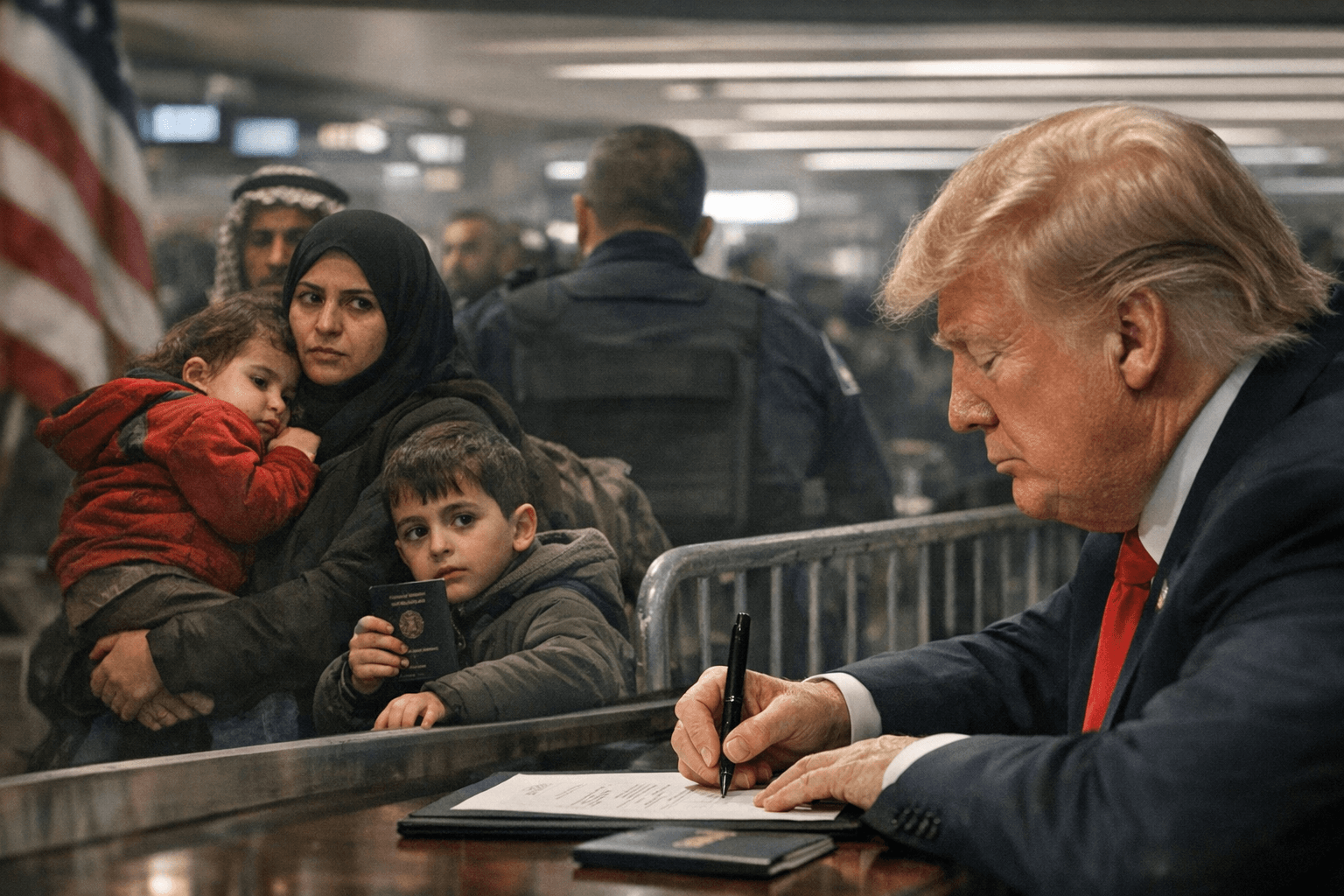
The presidential action includes enumerated exceptions. Lawful permanent residents retain entry rights, and existing valid visa holders are not automatically barred. The proclamation also exempts certain visa categories such as athletes and diplomats and permits case by case admissions when entry is deemed to serve United States national interests. The White House instructions indicate that the proclamation text contains the legally operative language, implementation timelines, and consular guidance that will govern how consulates and border officials apply the new rules.
The expansion arrives in a charged domestic political climate after the president declared a "permanent pause" on migration from what he called "all Third World Countries" in response to recent violence in Washington. Beyond immediate travel consequences, the policy is likely to produce diplomatic friction with affected governments, complicate relief and reconstruction work in conflict affected zones, and provoke legal and humanitarian scrutiny at home and abroad. As the proclamation moves into practice, its implementation will test diplomatic channels, consular capacity, and the balance between national security claims and international legal obligations.
This article was produced by Prism’s automated news system from verified source data, official records, and press releases, then run through automated quality and moderation checks before publishing. The system is built and supervised by the people who set the standards it runs under. Read our full AI policy.
Did this article answer your question?

