Trump Expected to Back Federal Research on Ibogaine for Veterans
Veterans are still chasing ibogaine abroad, even as Trump weighs a federal research push for a drug that remains Schedule I and can trigger fatal heart rhythms.
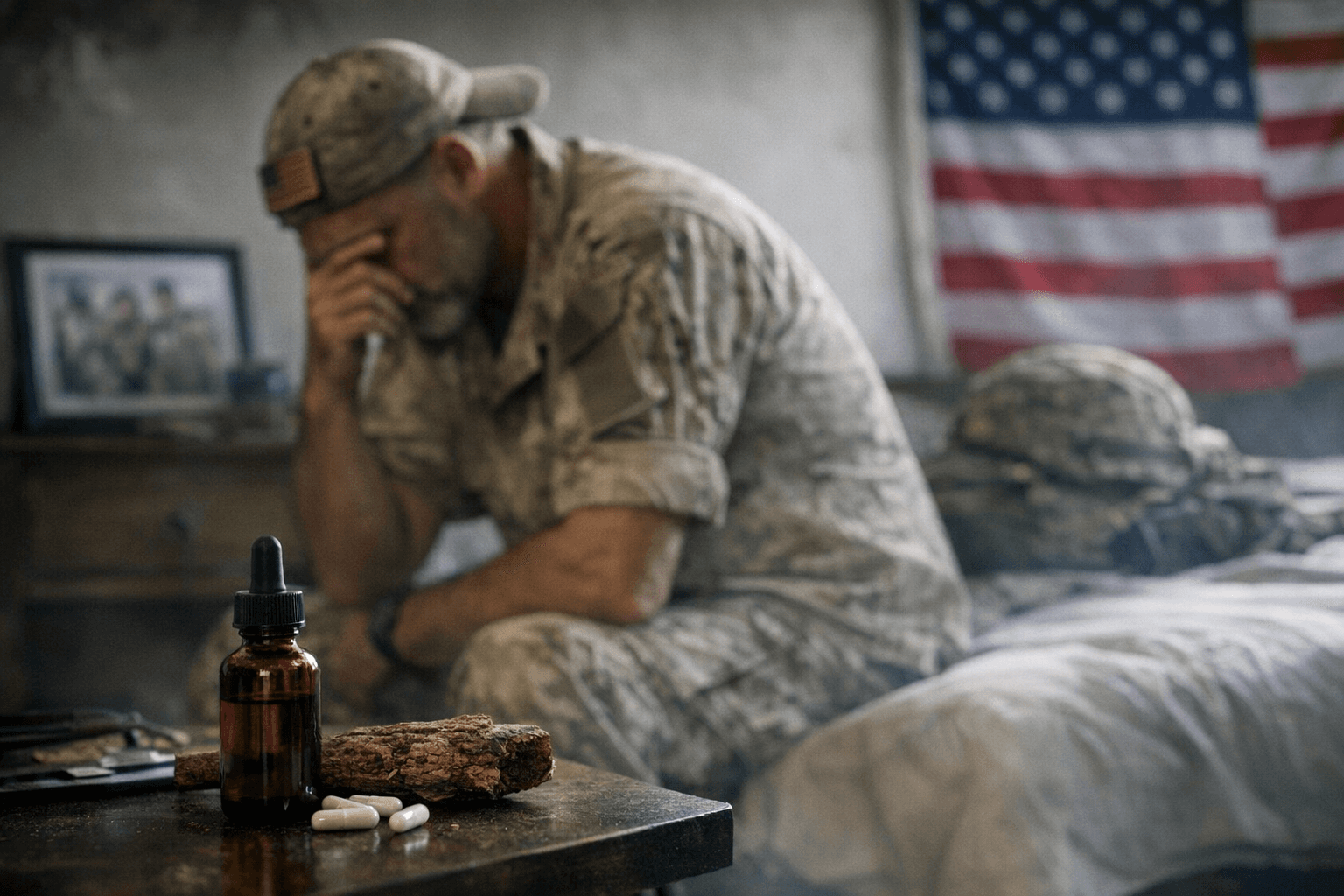
Veterans with PTSD and traumatic brain injuries have been traveling to Mexico and the Caribbean for ibogaine because U.S. options have left many still searching for relief. President Donald Trump is expected to sign an executive order as soon as this week that would open the door to federal funding for more research on the plant-based psychedelic, while leaving its status unchanged as a Schedule I controlled substance. The White House’s stated aim is to decide whether ibogaine is “snake oil” or a legitimate treatment.
The expected order would not end the legal and regulatory barriers around the drug. CBS News reported that the administration wants to expand research into ibogaine’s effects on PTSD and traumatic brain injuries, especially among veterans, but federal law still treats Schedule I substances as having a high potential for abuse and no currently accepted medical use. That means any broader path forward would still depend on data, review and the slow work of federal drug regulation rather than a sudden green light for access.
The science has drawn attention because early studies have looked promising, especially for veterans with severe brain injuries. Stanford Medicine reported a 2024 study of 30 special operations veterans who received ibogaine in Mexico, saying the treatment was associated with improvements in PTSD, depression, anxiety and functioning among veterans with traumatic brain injuries. Stanford later reported a 2025 Nature Mental Health analysis of EEG and MRI data from that same 30-veteran cohort, adding a more detailed look at brain activity after treatment.
Even so, the evidence base remains narrow. CBS News reported that the literature is still dominated by small observational studies and open-label trials, and that only one double-blind, placebo-controlled randomized clinical trial has been completed. The chief safety concern is cardiac, because ibogaine can cause dangerous heart rhythm disturbances that can be fatal. Texas has already put real money behind the field, with lawmakers approving $50 million for research and awarding the funds to UTHealth Houston and UTMB Health for a two-year, multicenter trial. In Washington, a March 26 bill would create a Veterans Health Administration Office of Novel Therapeutics, and its findings say emerging therapies under FDA evaluation may significantly alter treatment for PTSD, depression and other conditions affecting veterans.
Know something we missed? Have a correction or additional information?
Submit a Tip