Trump Extends Iran Deadline on Hormuz as Screen Time Debate Grows
Trump pushed Iran's power-plant strike deadline to April 6 — his second extension in a week — while Britain issued its first-ever screen time cap of one hour a day for under-5s.
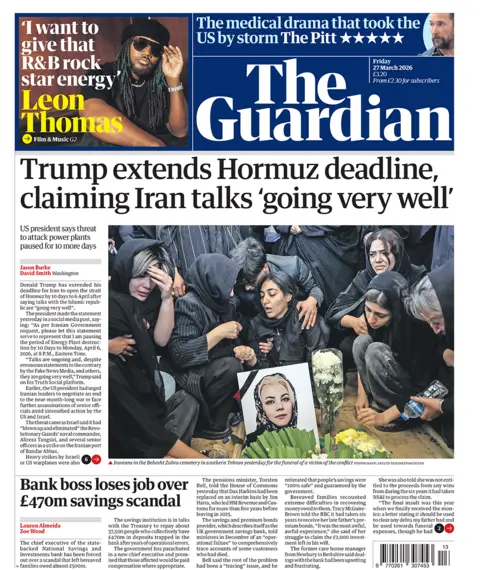
For the second time this week, President Donald Trump extended an ultimatum for Iran to completely open the Strait of Hormuz to international shipping traffic, saying peace talks "are going very well."
Writing on Truth Social, Trump stated: "As per Iranian Government request, please let this statement serve to represent that I am pausing the period of Energy Plant destruction by 10 Days to Monday, April 6, 2026, at 8 P.M., Eastern Time." Speaking at a Cabinet meeting earlier on Thursday, Trump denied he was desperate for a deal to end the war, insisting that Tehran was keen to come to the table despite the Islamic Republic's cool response to an American peace proposal.
Trump had given Iran the deadline to loosen its grip on the critical maritime passage after extending his initial deadline Monday evening by five days, citing progress in peace negotiations. In a post on his social media site on Saturday evening, Trump had written: "If Iran doesn't Fully OPEN, WITHOUT THREAT, the Strait of Hormuz, within 48 HOURS from this exact point in time, the United States of America will hit and obliterate their various POWER PLANTS, STARTING WITH THE BIGGEST ONE FIRST!"
Trump revealed that Iran made good on a promise to allow 10 boats of oil operating under the flag of Pakistan to pass through the strait this week as a "present," saying the gesture communicated to him "that we're dealing with the right people" in the peace negotiations. Still, the two sides remained far apart. Iranian Foreign Minister Abbas Araghchi acknowledged the exchange of messages with the U.S. through intermediaries but said it was not a negotiation. Iranian state media denied any talks and claimed Trump "retreated" from his deadline "out of fear of Iran's response."
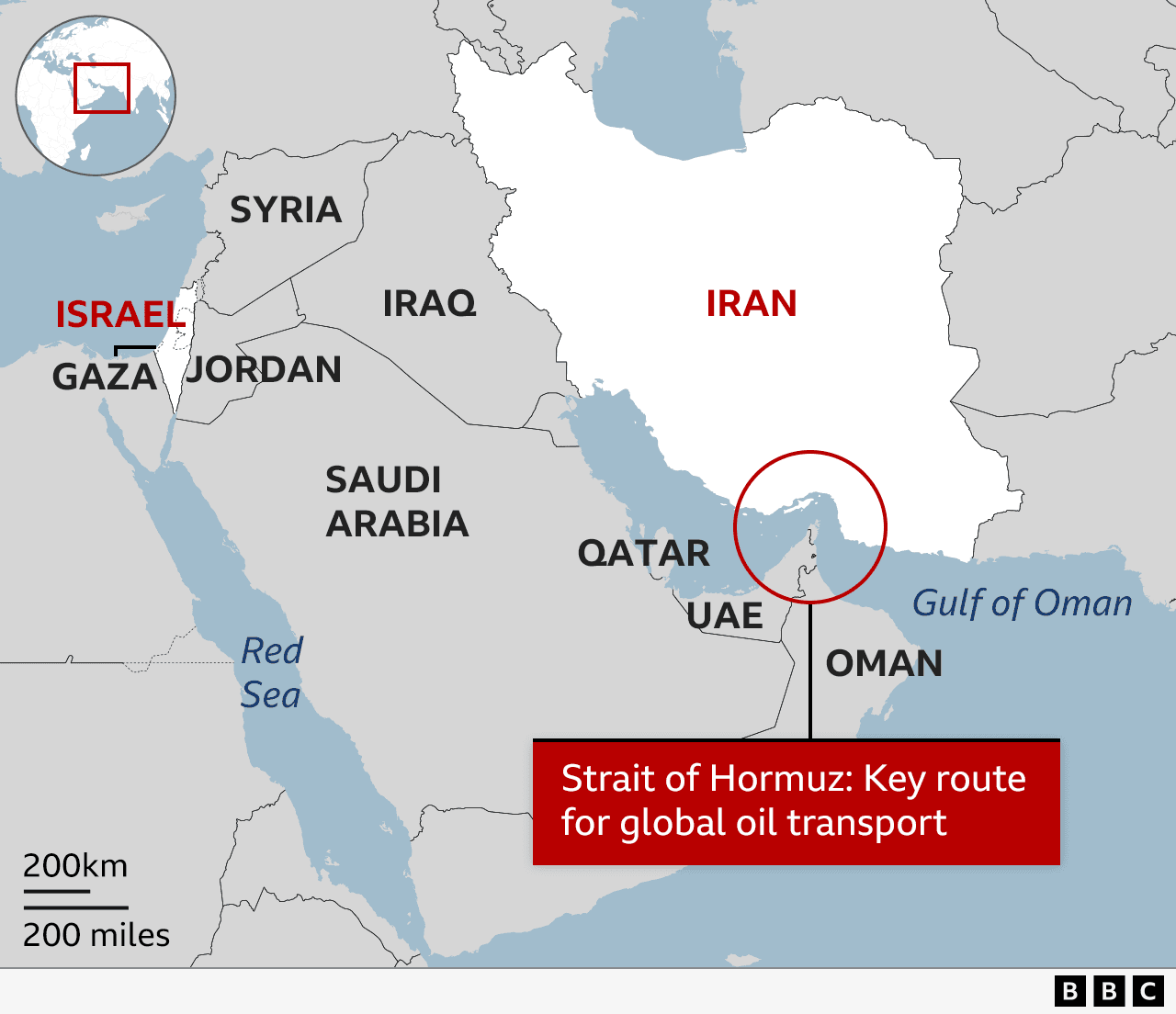
About one-fifth of the world's oil passes through the Strait, but Iran has essentially blocked most traffic since the start of the war. The economic consequences have reverberated across UK front pages, with the Financial Times warning that an "energy shock" stands to "hurt UK growth most among G20 economies," and the Independent declaring that "Britain's economy is the worst hit by Trump's Iran war." The i Paper flagged a "triple shock of inflation, weak growth and energy crunch."
Before Trump announced the Monday delay on social media, futures had pointed to an almost 1% decline in markets. Oil prices also immediately retreated, with Brent crude and West Texas Intermediate both falling 6.2%. By Thursday, Brent crude had edged back up, trading around $100 a barrel.
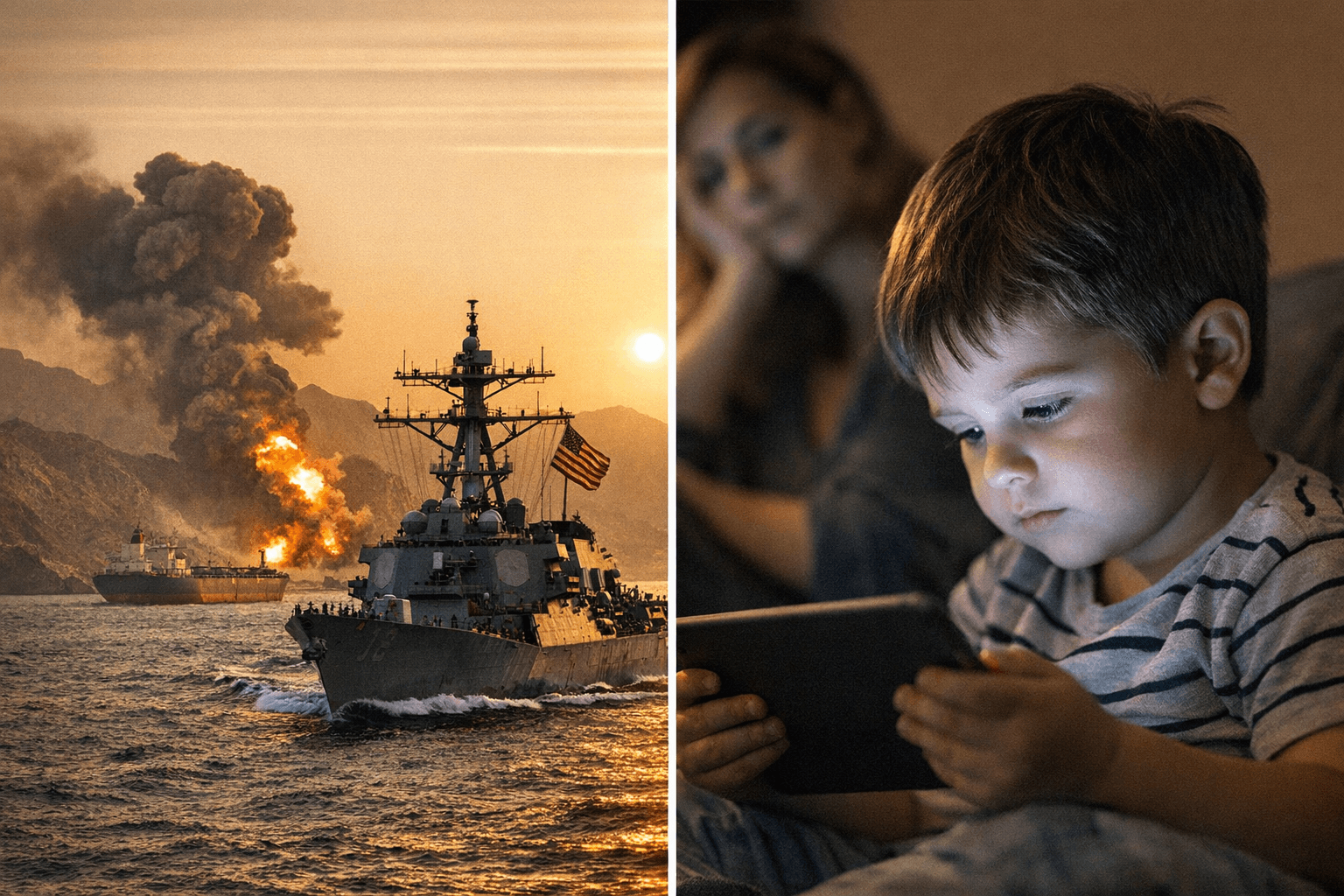
The Kremlin added its own warning to the diplomatic noise. Trump has written on Truth Social that he is "pausing the period of Energy Plant destruction by 10 Days to Monday, April 6, 2026, at 8 P.M., Eastern Time." Kremlin spokesman Dmitry Peskov told reporters the situation was "catastrophically tense," warning that any U.S. strikes on Iran's Russia-built nuclear power plant would be "extremely dangerous and fraught with possibly irreparable consequences," and adding that Russia had "conveyed relevant signals" to the U.S.
International human rights experts and U.N. officials have said the warning to strike power plants is an open threat to possibly commit a war crime.
Away from the Hormuz standoff, the UK government's other Friday front-page story offered a sharply different kind of deadline. The government has issued its first-ever national guidance on screen time for children under five, including advice to limit two-to-five-year-olds to no more than one hour a day and to keep mealtimes and the hour before bed screen-free. The new guidelines were developed by an expert panel led by Children's Commissioner Dame Rachel de Souza and Professor Russell Viner, a renowned children's health expert.
Around 98% of children are watching screens on a daily basis by the age of two, and those with the highest screen time see an impact on their language. The guidance specifically warns against fast-paced, social media-style videos and AI-powered toys, which may overstimulate young minds. Prime Minister Keir Starmer framed the move as practical support rather than parental blame, stating: "There will be some who oppose us doing this, but I will always stand on the side of parents doing their best for their children."
Trump's new deadline for Iran is April 6 at 8 p.m. ET. Whether Tehran will move to fully reopen the Strait before that date, or whether the president will extend his ultimatum a third time, remains the defining question of a conflict that has already reshaped global energy markets and consumed the front pages of virtually every British newspaper.
Know something we missed? Have a correction or additional information?
Submit a Tip