Nations Seek Alternatives as Iran Tightens Grip on Strait of Hormuz
Two vessels have already paid Iran's IRGC up to $2 million each for Strait of Hormuz passage as Tehran moves to formalize a toll regime — and 90% of normal traffic has vanished.
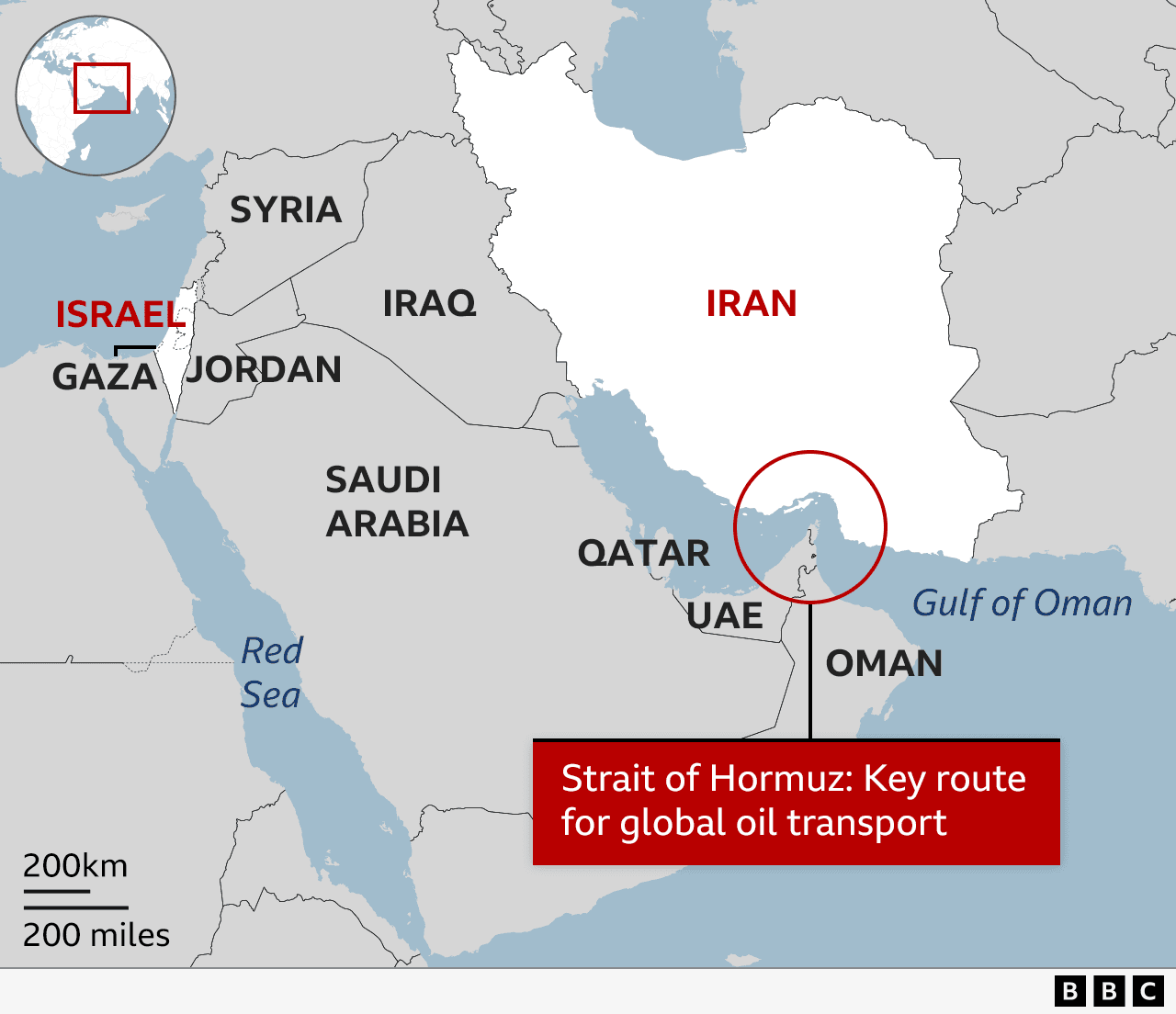
At least two cargo vessels have settled passage fees in Chinese yuan, paying as much as $2 million each to transit the Strait of Hormuz under a vetting system run by Iran's Islamic Revolutionary Guards Corps, as Tehran moves to convert the world's most critical oil shipping lane into a permanent revenue source.
Iran appeared to be setting itself up as gatekeeper for the strait, the world's most important artery for oil shipments, in a move that could cement Tehran's de facto chokehold over the crucial waterway and formalize its ability to keep its own oil flowing to China. The crisis has unfolded since February 28, 2026, following joint military strikes by the United States and Israel on Iran.
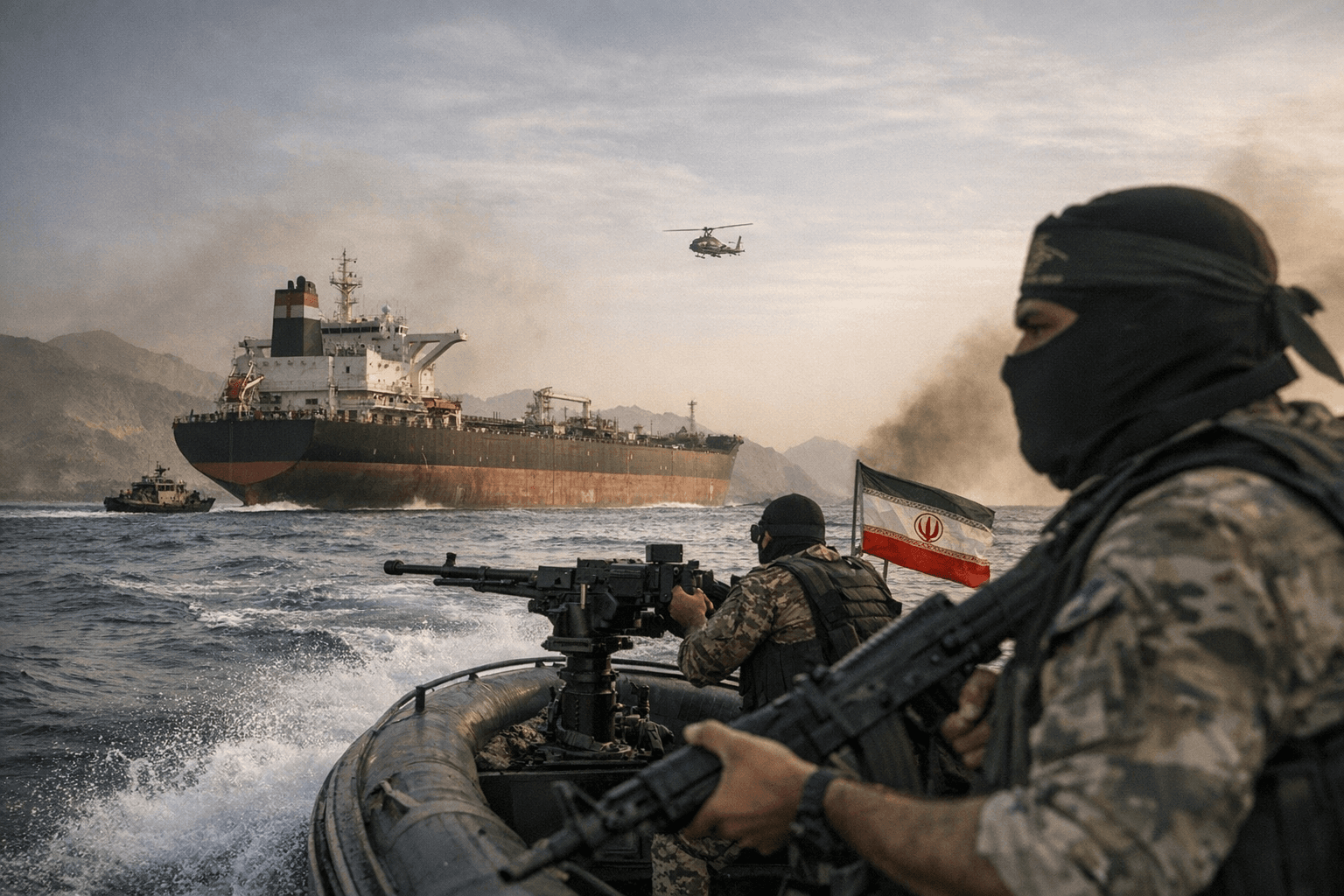
Normally ships use a two-lane shipping channel in the middle of the strait, but increasingly vessels have been taking a different route, to the north around Larak Island, placing them in Iran's territorial waters and closer to the Iranian coastline. Entities that want their vessels to safely pass through must submit details to what Lloyd's List Intelligence refers to as "approved intermediaries" of the Revolutionary Guard, including cargo, owners, destination, and a complete crew list. Approved vessels receive a code and are escorted by an IRGC vessel. Oil is prioritized and vessels are subject to "geopolitical vetting," Lloyd's said.
"While not all ships are paying a direct toll, at least two vessels have and the payment is settled in yuan," Lloyd's List said, referring to the Chinese currency. Estimated tolls run as high as $2 million per transit.
Traffic through the strait has fallen by 90% since the start of the Iran war, sending global oil prices skyrocketing and inflicting alarming shortages on the Asian nations that get their oil from Persian Gulf countries via the strait. Before the war, approximately 130 ships a day passed through the strait; the latest figures show six or fewer transiting daily, in coordination with Iran. Supply constraints, along with attacks on energy facilities and regional production shutdowns, have pushed oil prices into triple digits.
Iranian lawmakers have made no secret of the intent to make these arrangements permanent. The Fars and Tasnim news agencies, both close to Iran's Revolutionary Guard, quoted lawmaker Mohammadreza Rezaei Kouchi saying "parliament is pursuing a plan to formally codify Iran's sovereignty, control and oversight over the Strait of Hormuz, while also creating a source of revenue through the collection of fees." Tehran has also embedded Hormuz sovereignty into its diplomatic demands: Iran's conditions to end the war include safeguards against future attacks, the payment of war reparations, and a recognition of Iranian sovereignty over the Strait of Hormuz.
The international response has hardened in lockstep. Sultan al-Jaber, who leads the massive state-run Abu Dhabi National Oil Co., signaled the hardening rhetoric of the United Arab Emirates as the war neared its one-month mark. "Weaponizing the Strait of Hormuz is not an act of aggression against one nation," al-Jaber said in a speech for an event hosted by the Middle East Institute in Washington. "It is economic terrorism against every consumer, every family that depends on affordable energy and food. When Iran holds Hormuz hostage, every nation pays the ransom, at the gas pump, at the grocery store and at the pharmacy."
The secretary general of the Gulf Cooperation Council, Jasem Mohamed al-Budaiwi, said Iran's collection of fees for passage is "an aggression and a violation of the United Nations agreement on the law of the sea." "There's no provision in international law anywhere to set up a toll booth and shake down shipping. This is Iran using the element that they have right now, which is control of the Strait of Hormuz," said Sal Mercogliano, a maritime historian at Campbell University in North Carolina. The International Maritime Organization condemned the attacks on vessels and called for an internationally coordinated approach to secure passage through the strait that respects freedom of navigation.
Legal experts warned that engaging with the Iranian system poses significant risks, as the IRGC is designated a Foreign Terrorist Organization by the United States and the European Union, and payments to the IRGC could expose companies to criminal prosecution under anti-terrorism statutes.
On March 19, the leaders of Canada, France, Germany, Italy, Japan, the Netherlands, and the United Kingdom issued a joint statement expressing readiness to contribute to appropriate efforts to ensure safe passage through Hormuz. Twenty-two nations have since signed the statement. President Trump, citing ongoing talks with Iran, extended a deadline for Tehran to reopen the strait. With Iran now treating Hormuz sovereignty as a non-negotiable condition of any ceasefire, the toll booth that started as a wartime improvisation is rapidly becoming a geopolitical fait accompli.
Know something we missed? Have a correction or additional information?
Submit a Tip

