Trump extends Israel-Lebanon ceasefire by three weeks after White House talks
Three more weeks may give civilians in southern Lebanon a breather, but the truce still hinges on unclear enforcement and talks tied to Hezbollah and Iran.
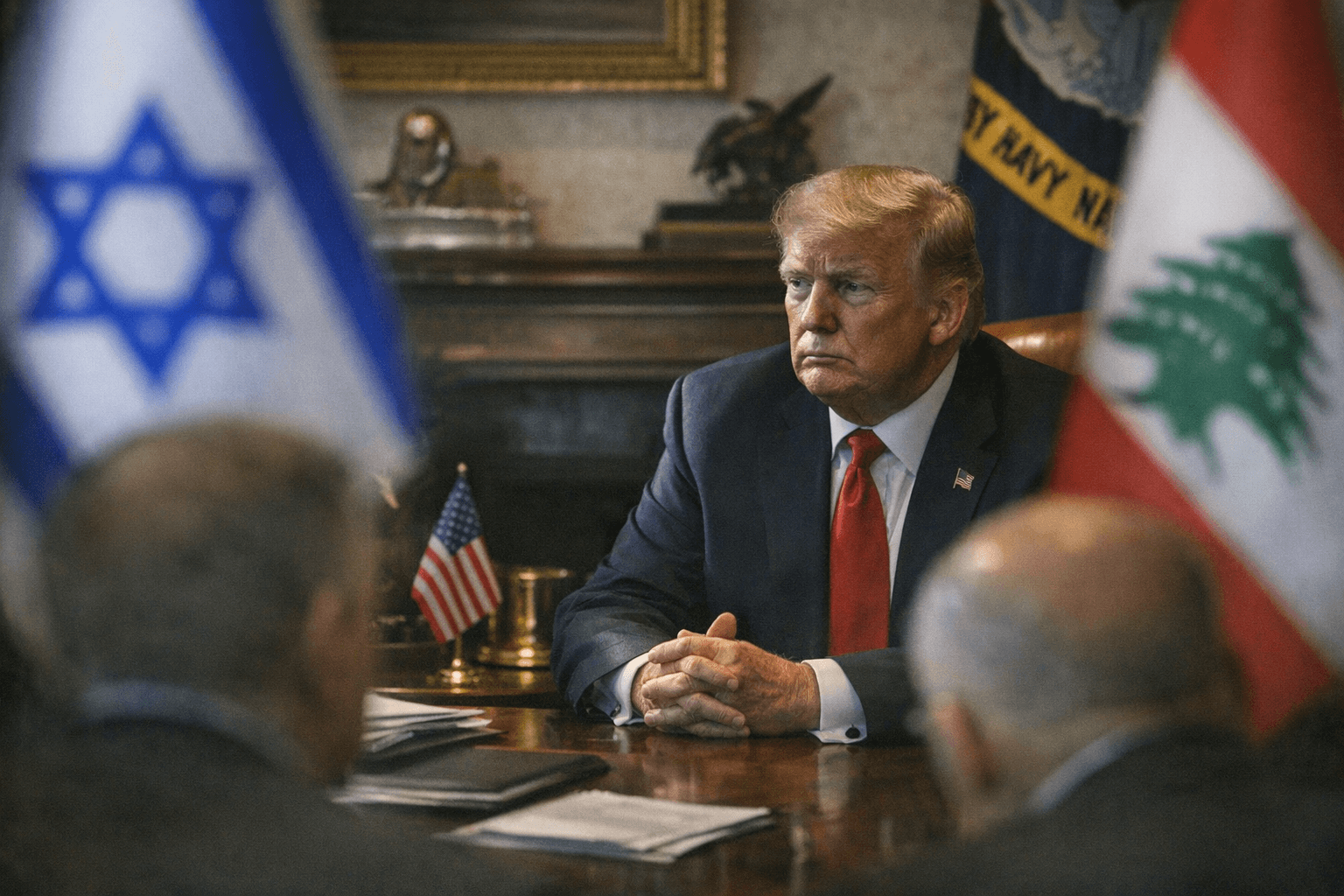
The extra three weeks bought by Donald Trump’s ceasefire extension offered the clearest opening yet for displaced civilians in southern Lebanon, but it also exposed how fragile the arrangement remains. The truce has already allowed some residents to start moving back south, even as reports of continued violations and renewed strikes have kept the border calm only in relative terms. Whether the extension changes conditions on the ground, or simply delays another round of escalation, now depends on how Israel, Lebanon and Washington handle the next phase of talks.
Trump announced on April 23 that the Israel-Lebanon ceasefire would be extended by three weeks after hosting Israeli and Lebanese diplomats at the White House. The original U.S.-backed cessation of hostilities began on April 16 at 5 p.m. EST and was set to last 10 days. The State Department said its purpose was to enable good-faith negotiations toward a permanent security and peace agreement between Israel and Lebanon, making the latest extension a longer bridge to diplomacy rather than a final settlement.
The White House meeting came after a two-hour session on April 14 hosted by Secretary of State Marco Rubio with the Israeli and Lebanese ambassadors, a gathering that set up direct talks on a peace agreement. U.S. Ambassador to Israel Mike Huckabee and U.S. Ambassador to Lebanon Michel Issa were also present at the Oval Office meeting, underscoring how centrally Washington has placed itself in the process. Trump said the meeting went very well, and Reuters reported that he announced the extension in a Truth Social post.
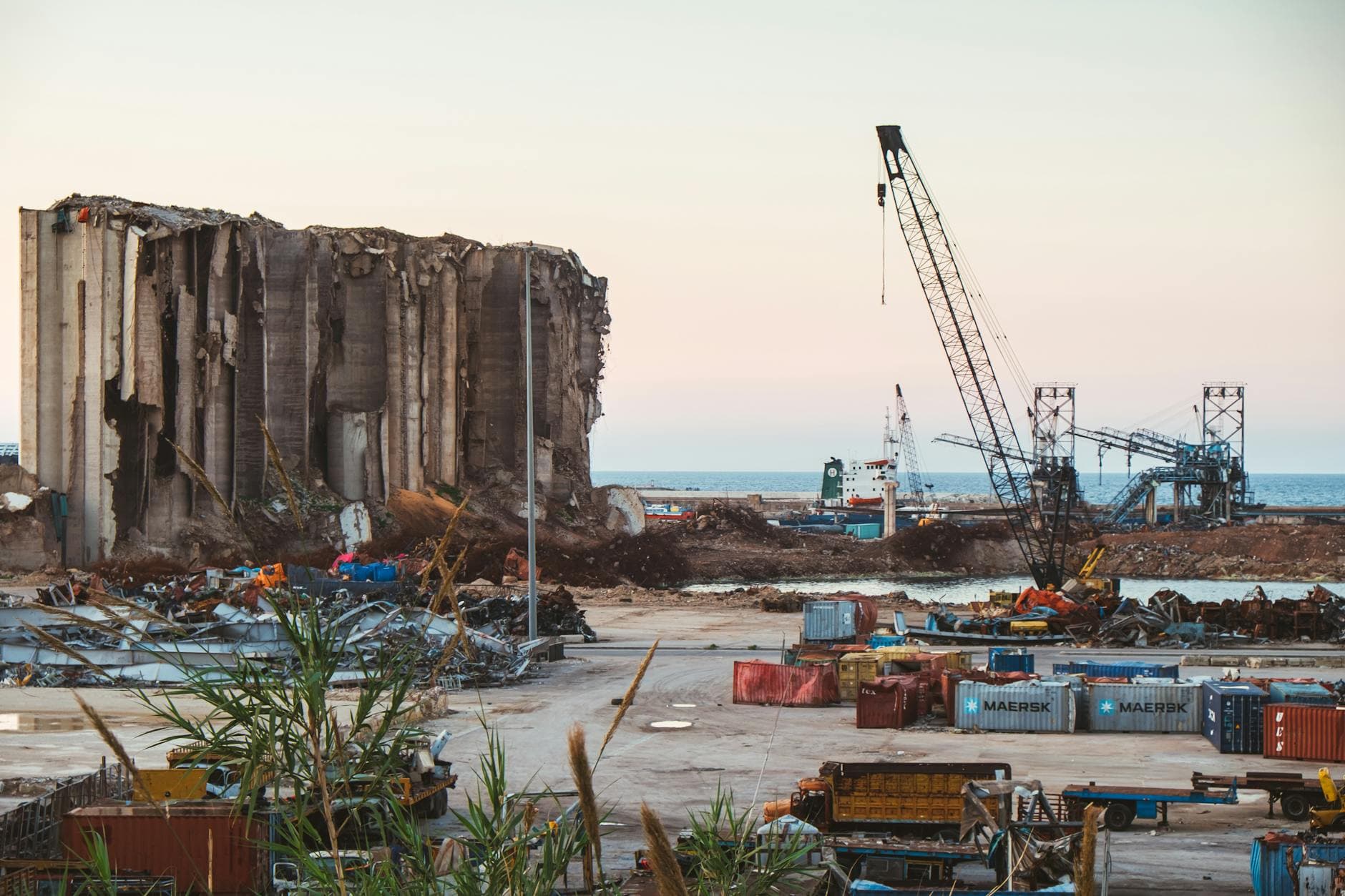
For Washington, the stakes go beyond the Israel-Lebanon border. Axios reported that the push to extend the truce was tied to two broader goals: advancing direct Israel-Lebanon peace talks and avoiding renewed fighting that could complicate U.S. efforts to reach a deal with Iran. That makes the ceasefire a piece of regional leverage as much as a local security measure. The fighting in Lebanon has centered on Israel and Hezbollah, the Iran-backed militant group, and any breakdown could reverberate through the wider diplomatic track.
But the terms remain politically sensitive and still not fully settled. Axios previously reported that Israel asked the White House for clarification after Trump said Israeli airstrikes in Lebanon were prohibited, a sign that the boundaries of the truce have not been interpreted consistently by the parties. With the first 10-day period having been due to expire on Sunday, the three-week extension buys time, but it does not resolve the core question: whether the ceasefire is becoming a durable framework or merely a pause before the next confrontation.
This article was produced by Prism’s automated news system from verified source data, official records, and press releases, then run through automated quality and moderation checks before publishing. The system is built and supervised by the people who set the standards it runs under. Read our full AI policy.
Did this article answer your question?


