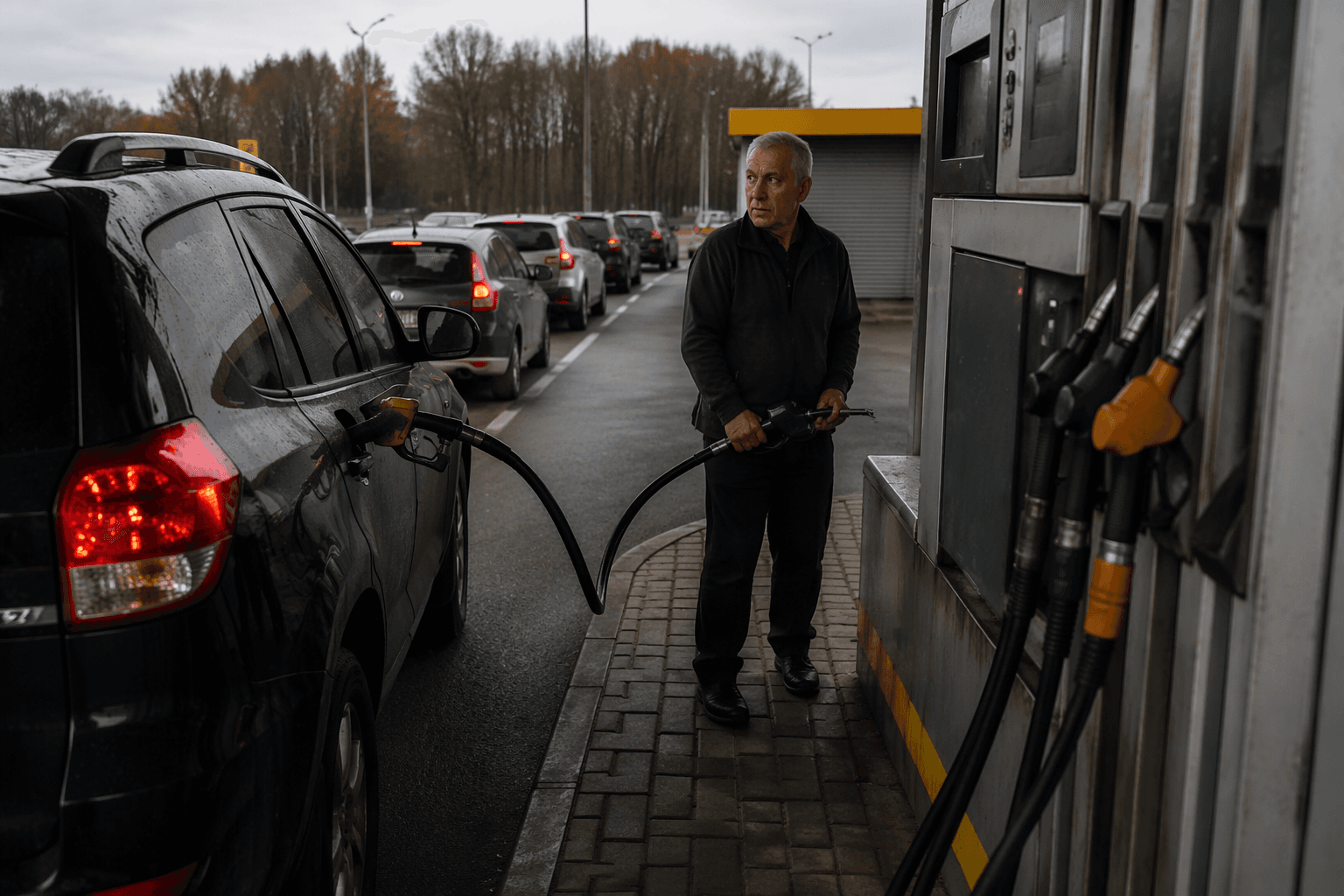
UK Biobank data breach exposes 500,000 members, sparks privacy outrage
De-identified records from 500,000 UK Biobank volunteers were briefly listed for sale in China, jolting confidence in anonymized medical research.
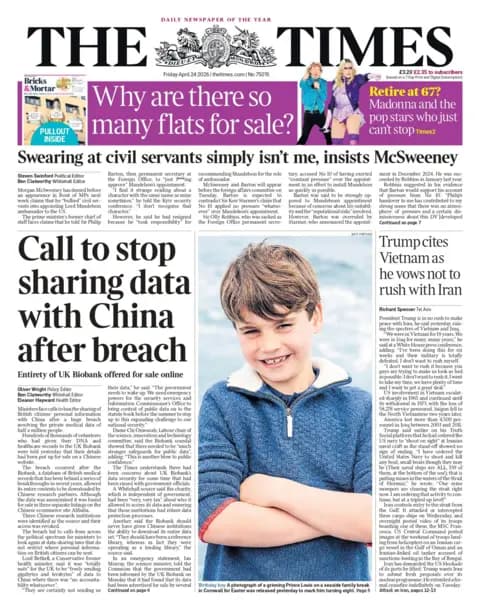
De-identified health records from all 500,000 UK Biobank volunteers were temporarily listed for sale on an Alibaba-owned website in China, turning one of Britain’s largest medical datasets into a sharp test of how far anonymization can be trusted.
Ian Murray told Parliament the breach involved information from every Biobank member, and he called it an “unacceptable abuse” of the charity’s data. UK Biobank said the listings were removed before any sales were made, and that the material did not include names, addresses or contact details. The organization said the data had been downloaded legitimately by three Chinese research institutions, all of which have now had access suspended.
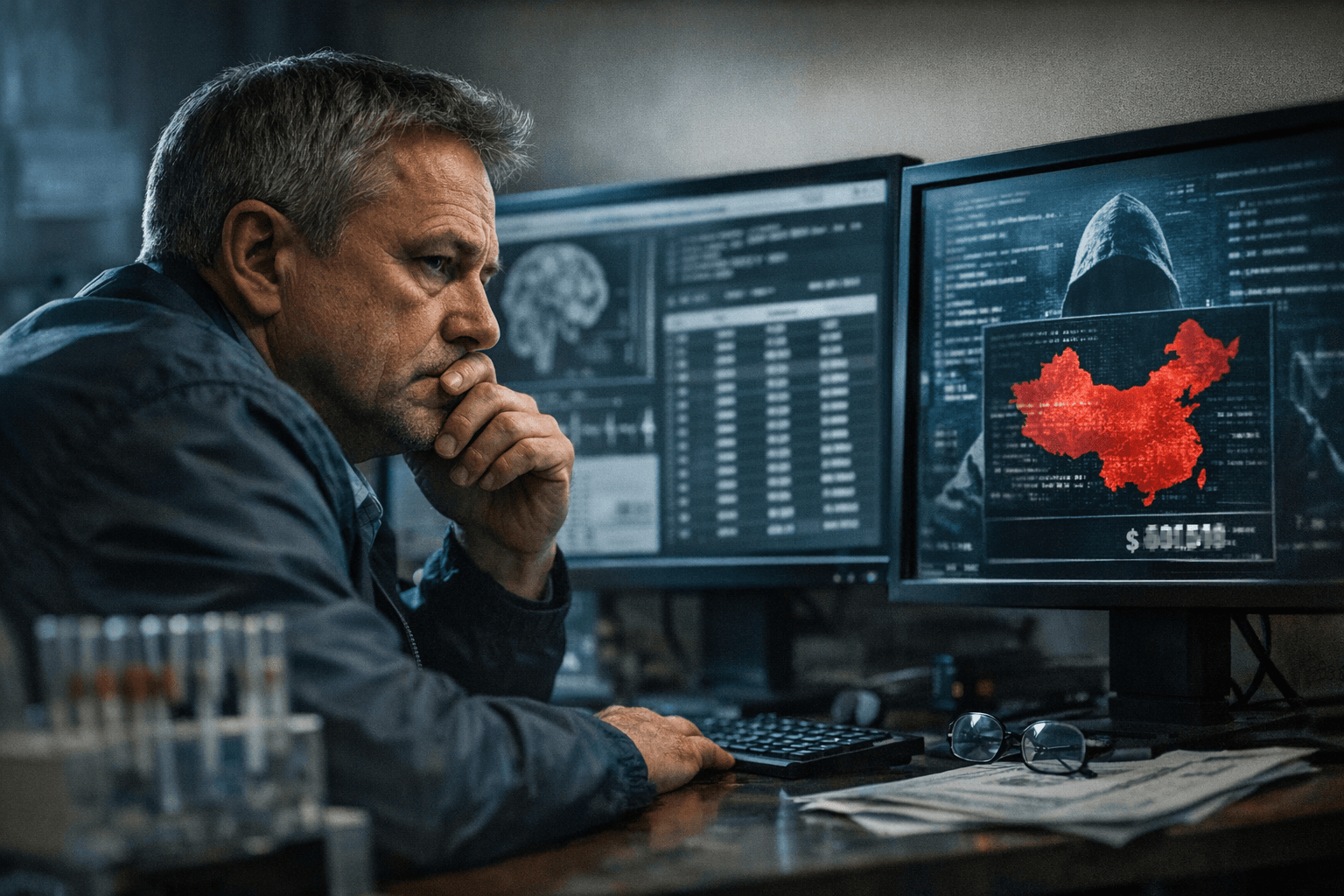
The episode matters because UK Biobank is built around voluntary participation. People joined the study between 2006 and 2010, when they were aged 40 to 69, and the resulting resource is used to improve research into dementia, cancers and Parkinson’s disease. UK Biobank says more than 20,000 scientists in more than 60 countries use its data, making the breach more than a local scandal. It is a warning about the way health information can move from consented research into markets that participants never imagined.
Dame Chi Onwurah, the Labour chair of the Science, Innovation and Technology Committee, called it “another blow to public confidence” and questioned whether lessons had been learned from repeated data breaches and leaks. Her criticism goes to the heart of the problem: de-identification reduces risk, but it does not eliminate it. Once large datasets are copied, shared and handled by multiple institutions, the promise of anonymity depends on safeguards that can fail at any point in the chain.
That is why the China angle should not be reduced to geopolitics alone. The more important lesson is that supposedly anonymized medical data can still be exposed, traded and politicized once it leaves the original research environment. For U.S. medical research and privacy law, the warning is plain. Public-health science depends on trust, and trust erodes quickly when volunteers see that even carefully stripped records can end up for sale online.
This article was produced by Prism’s automated news system from verified source data, official records, and press releases, then run through automated quality and moderation checks before publishing. The system is built and supervised by the people who set the standards it runs under. Read our full AI policy.
Did this article answer your question?