Paris Hosts First Modest Fashion Week Amid French Identity Debates
Nearly 30 designers filled Paris's first Modest Fashion Week with loose-cut silhouettes and headscarves, sharpening a national debate over Muslim belonging in public life.
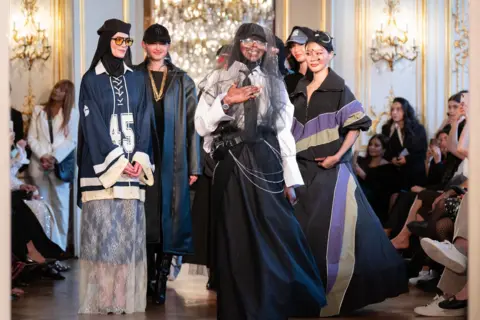
Paris staged its first ever Modest Fashion Week with nearly 30 designers showing loose, long-cut garments and headscarves, turning the city into a focal point for a larger argument over who gets to belong in French public life.
The event was framed as the first international Modest Fashion Week in the French capital, and its timing mattered as much as its clothes. In France, the hijab remains a political flashpoint, pulled into recurring disputes over headscarf bans in schools, in sport and in other public spaces. That made the runway feel less like a niche style showcase than a test of whether French cultural identity is expanding in practice, not just in branding.
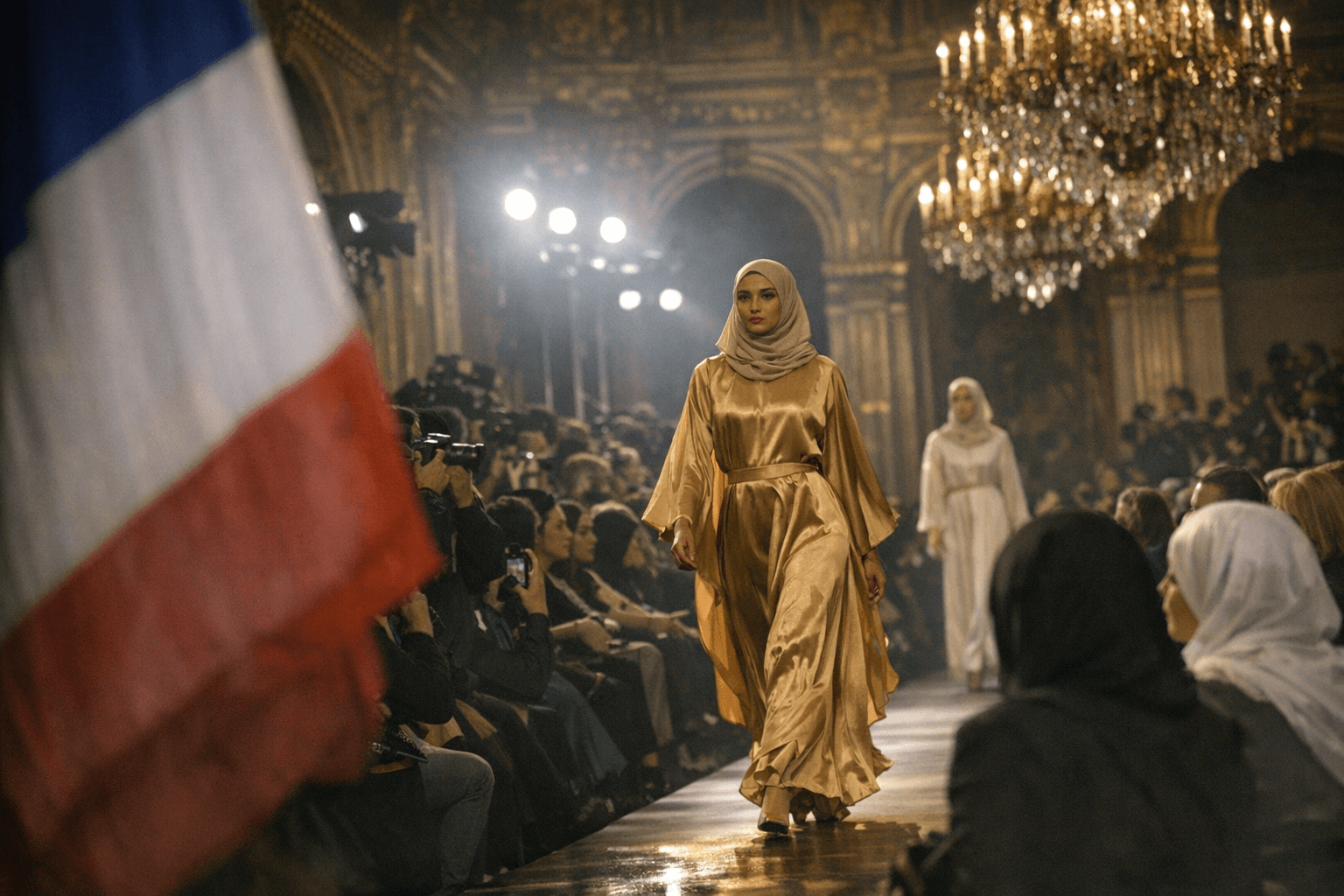
For some young attendees, the answer was yes. They saw the Paris gathering as evidence of a more inclusive French culture taking shape, one that makes room for women who read modest dress as both faith and personal style. The collections on display made that argument visibly concrete, with silhouettes that covered rather than revealed, while still operating squarely inside fashion's language of design, tailoring and self-presentation.
The broader modest-fashion market has also moved beyond the margins. The Cooper Hewitt Smithsonian Design Museum has described modest fashion as part of a major rise in the industry and notes that ideas of modesty vary widely across communities and cultures. Its exhibition on Contemporary Muslim Fashions was presented as the first major museum project to examine that growth, underscoring how a category once treated as specialized now has commercial and cultural weight.
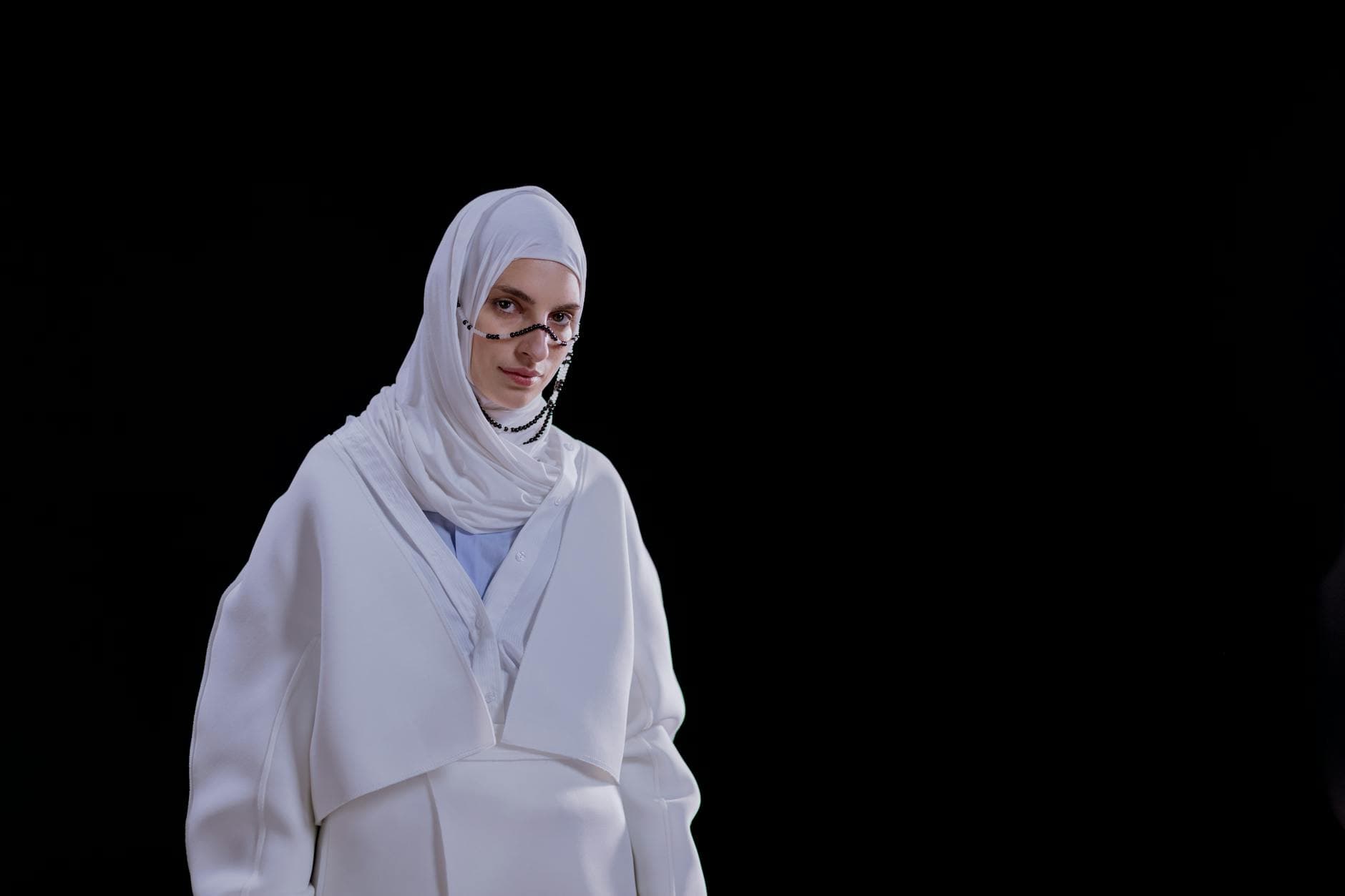
Paris's debut came with that backdrop of visibility and tension intact. Supporters saw the event as a sign that visible Muslim identity can claim space in one of the world's fashion capitals without being reduced to a political argument. Critics of France's long-running dress debates may see the same scene as proof that the country still has unresolved questions about secularism, gender and public belonging. Either way, the city sent a clear signal: modest fashion is no longer confined to the sidelines, and in France, the conversation around it is now inseparable from the wider struggle over national identity.
This article was produced by Prism’s automated news system from verified source data, official records, and press releases, then run through automated quality and moderation checks before publishing. The system is built and supervised by the people who set the standards it runs under. Read our full AI policy.
Did this article answer your question?