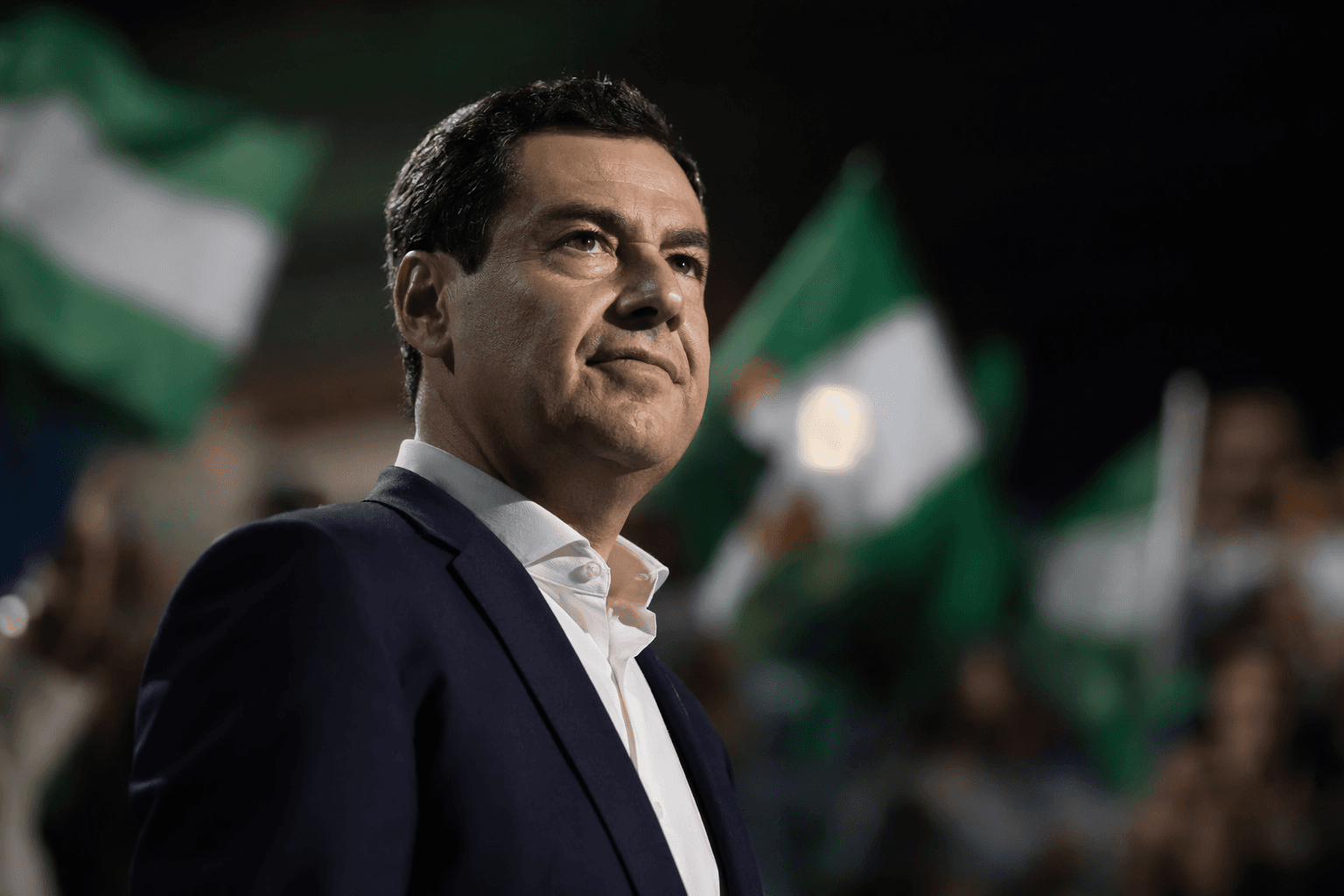
Trump Faces Bipartisan Criticism Over Russian and Iranian Oil Sanctions Relief
Rep. Don Bacon says easing Russian oil sanctions does "the opposite" of ending the Ukraine war, as Trump's Treasury relief draws rare bipartisan fire from Congress, Kyiv, and Berlin.
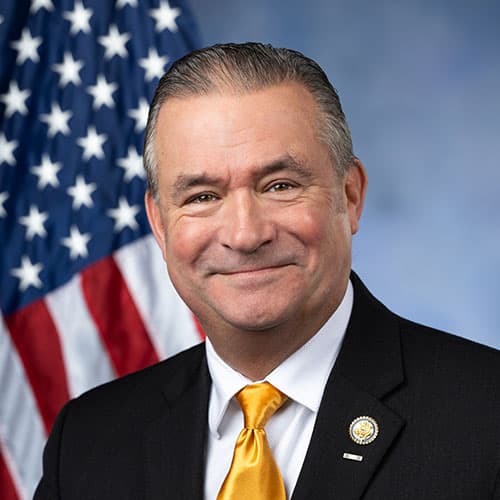
Nebraska Republican Don Bacon didn't mince words after the Trump administration quietly broadened sanctions relief for Russian crude oil already loaded at sea. "This war can only end when Putin realizes this war is not winnable or too costly," Bacon told RFE/RL. "Easing sanctions does the opposite. The administration is seeking short term gain but it comes with long term bad consequences."
The Treasury Department broadened a temporary policy allowing the sale and delivery of Russian crude that had already been loaded onto tankers, effectively loosening enforcement of sanctions at a sensitive moment in Moscow's war against Ukraine. The license applies only to Russian crude and petroleum products loaded on vessels as of March 12 and authorizes those shipments through April 11. Oil prices traded near their highest level since 2022 despite the administration's earlier decision to temporarily allow the delivery and sale of sanctioned seaborne Russian crude.
Representative Gregory Meeks of New York, the top House Democrat on foreign policy, and Bacon sent a bipartisan letter to Treasury Secretary Scott Bessent and Secretary of State Marco Rubio pressing for details, warning the decision could undercut U.S. national security. They said allowing those cargoes to be sold globally has already enabled Russia to generate "billions in additional fossil fuel revenue," calling it a badly timed boost for Russian President Vladimir Putin.
The bipartisan fire extended well beyond the House. Senator Chuck Grassley, a Republican from Iowa, was blunt: easing sanctions, even briefly, is "the wrong move," warning that "every dollar" from oil sales helps fuel Russia's war. Representative Mike Rogers, the Republican chairman of the House Armed Services Committee, said "the temporary easing of Russian energy sanctions must indeed be temporary," adding that if Putin refuses to negotiate, "pressure on the Russian dictator must increase." Senate Minority Leader Chuck Schumer accused the administration of aiding adversaries, calling it "the dictionary definition of 'asinine'" to lift sanctions on Iran and Russia "so they can go after our troops and our allies."
Democratic senators on the Senate Banking Committee wrote that "the Trump administration cannot simultaneously claim to be prioritizing U.S. military operations while offering sanctions relief to Putin," adding, "The solution to a war started by President Trump must not be to reward the adversary helping Iran target American troops." Minority committee members, including Sen. Elizabeth Warren of Massachusetts, demanded a congressional hearing with Bessent by the end of March.
The administration's rationale centers on the war's disruption to global energy supply. The Strait of Hormuz, a 24-mile waterway through which one-fifth of the world's oil passes annually, has been largely paralyzed, with the vast majority of ships refusing to transit because Iran has attacked several vessels and insurance costs have ballooned. The International Energy Agency described the conflict as creating the biggest oil supply disruption in history. Treasury Secretary Scott Bessent described the Russian crude waiver as "narrowly tailored" and argued it "will not provide significant financial benefit to the Russian government." A White House spokesperson emphasized that "Russia primarily collects revenue when the oil is initially drilled, and the sanctions relief is for oil that was already drilled and has been stranded on ships at sea."
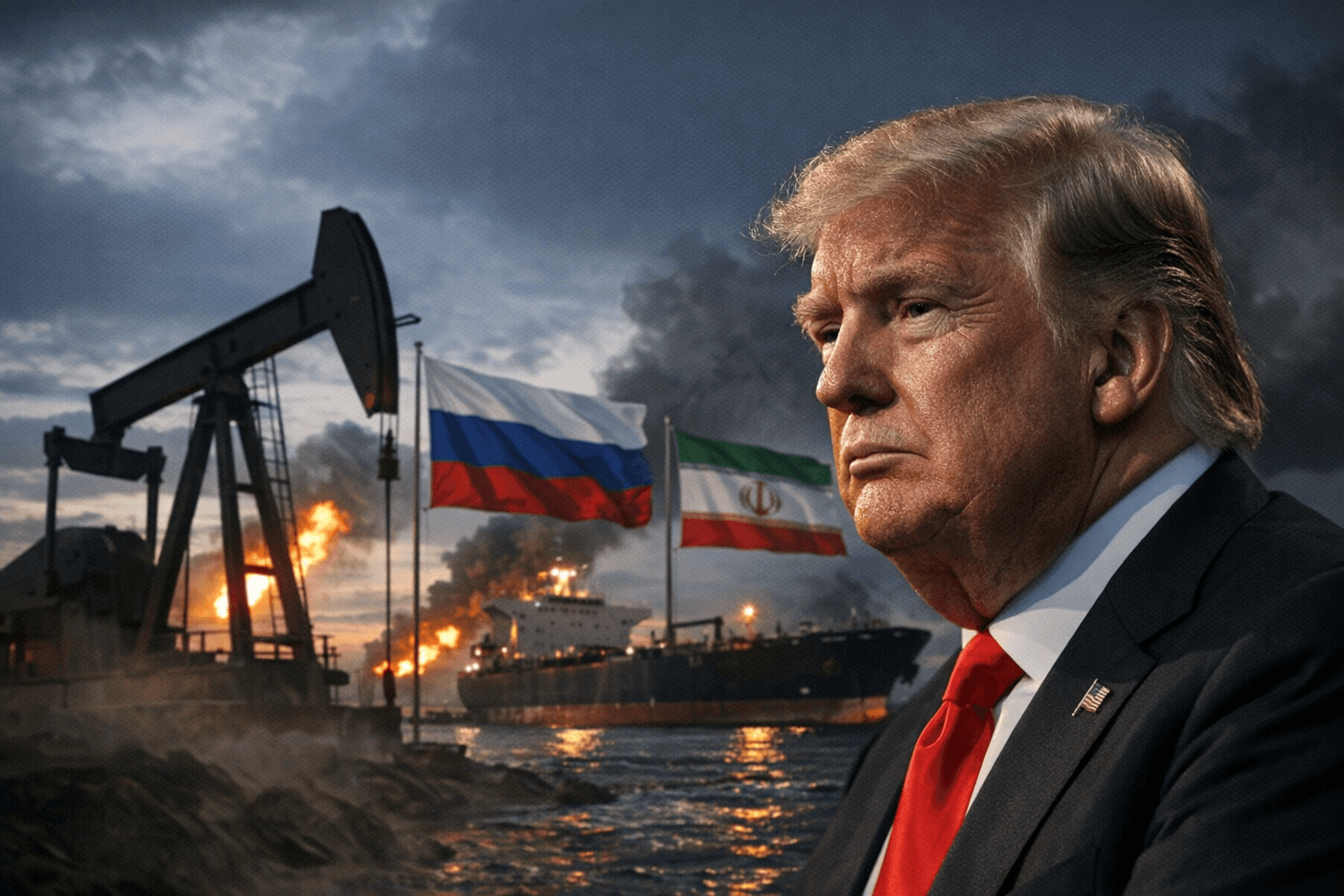
The United States had previously granted Indian refiners a 30-day waiver on March 5 to buy Russian oil stranded at sea. The broader Treasury action came after a March 9 call between Trump and Putin, and a subsequent visit to Washington by Kirill Dmitriev, the CEO of the Russian Direct Investment Fund and, since February 2025, Russia's Special Representative for Investment and Economic Cooperation. That delegation included Trump special envoy Steve Witkoff and Jared Kushner. Dmitriev welcomed the relief on Telegram, writing that "further easing of restrictions on Russian energy supplies appears increasingly inevitable, despite resistance from some Brussels bureaucrats."
The reaction abroad was sharply negative. Ukrainian President Volodymyr Zelenskyy, speaking at a press conference alongside French President Emmanuel Macron in Paris, said he believed "that lifting sanctions will, in any case, lead to a strengthening of Russia's position." German Chancellor Friedrich Merz also criticized the decision, saying, "We believe it is wrong to ease the sanctions." Merz noted that six members of the Group of Seven democracies had discussed Russian oil with Trump and expressed "a very clear view that this is not the right signal to send."
Lawmakers on both sides of the aisle pointed to reports that Russia is assisting Tehran with intelligence and drone tactics as Iranian-backed attacks target U.S. personnel in the Middle East, making the sanctions relief particularly combustible politically. The Trump administration also announced it would release 172 million barrels from the Strategic Petroleum Reserve, ordered the U.S. International Development Finance Corporation to provide political risk insurance for maritime trade in the Gulf, and said it was considering a temporary waiver of the Jones Act to keep energy and agricultural goods moving between U.S. ports.
With bipartisan scrutiny intensifying and additional Treasury actions expanding the scope of the policy, what began as a technical adjustment to energy markets has rapidly become a political and strategic flashpoint in Washington. Whether the April 11 expiration date holds, or whether the administration extends relief again, will be the next test of how far Trump is willing to go to stabilize oil markets at the cost of pressure on Moscow.
Know something we missed? Have a correction or additional information?
Submit a Tip