Trump faces pressure to end Iran war as sanctions snap back
U.S. strikes hit Fordow, Natanz and Esfahan, and the IAEA later said it could not verify Iran’s uranium stockpile as pressure grew for Trump to find an exit.
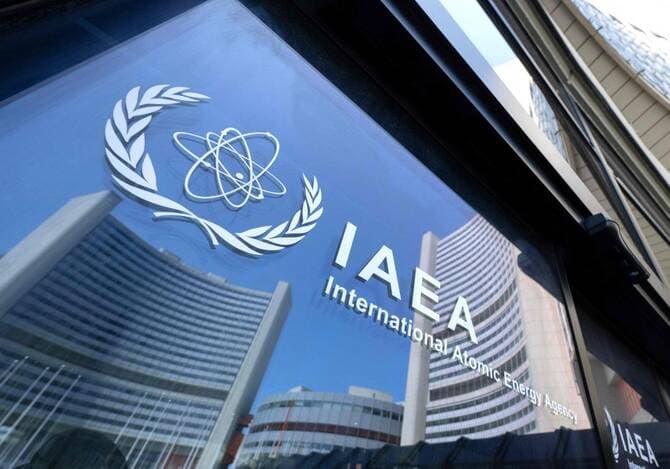
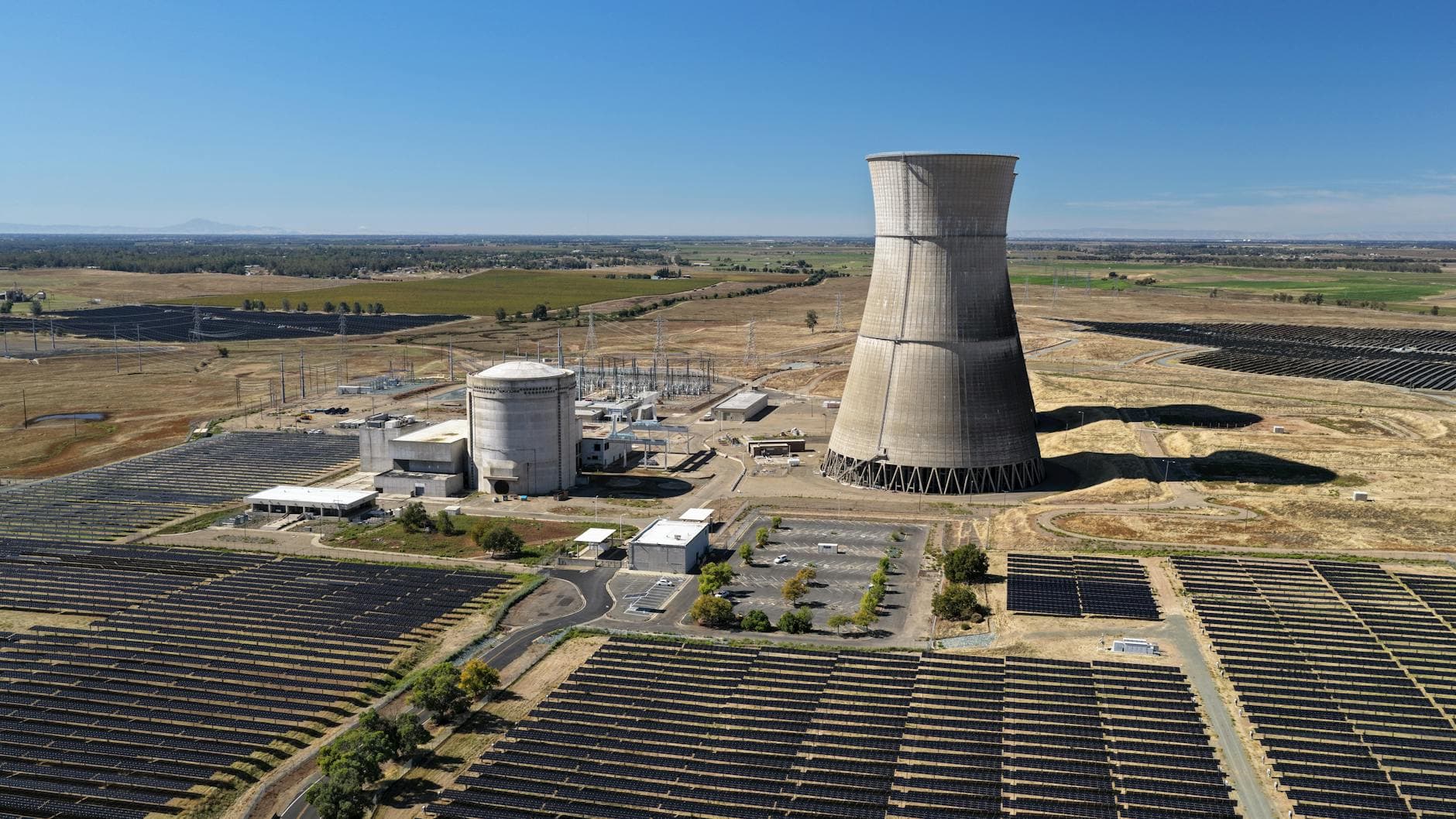
The search for an offramp began almost as soon as U.S. aerial attacks hit Fordow, Natanz and Esfahan, because the war had already exposed its core problem: the IAEA lost the ability to verify Iran’s enriched-uranium stockpile, and sanctions were snapping back into place even as the fighting continued.
On June 22, 2025, the International Atomic Energy Agency said the three nuclear sites had been struck and that it had been tracking more than 400 kg of highly enriched uranium before inspectors withdrew for safety reasons. By a February 27, 2026 report, the agency said it could not verify the current size, composition or whereabouts of that stockpile because it lacked access to declared enrichment facilities. That gap matters because crisis-management language assumes visibility, leverage and time. The Iran conflict has offered none of the three.
The United Nations Security Council resolutions on Iran were reimposed on September 27, 2025, and the State Department said in January 2026 that the United States and 40 countries had met in Prague to advance implementation of the restored restrictions. Those measures included requirements that Iran suspend enrichment, heavy-water and reprocessing activities. But sanctions are a tool, not a strategy. They can raise costs; they cannot on their own rebuild trust after years of broken agreements, nor can they prove where uranium is sitting when inspectors are locked out.
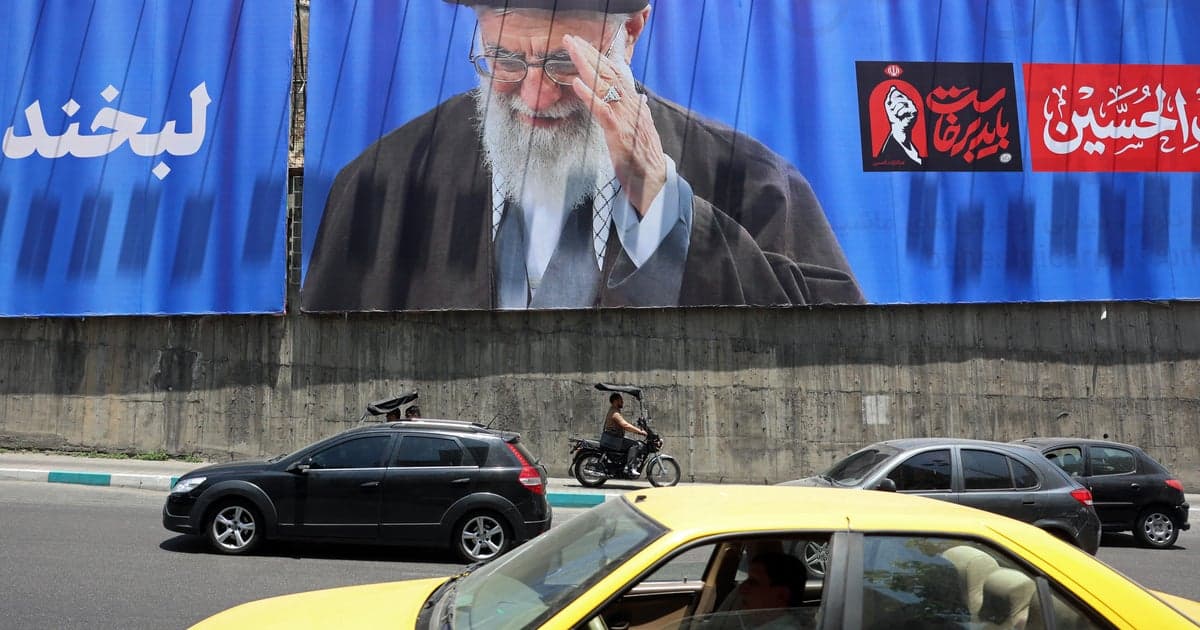
That is why calls for a clean off-ramp may misread the strategic logic of the war. Analysts and institutions have argued that the conflict is tied not only to Iran’s nuclear program, but also to sanctions, regional proxy networks and security guarantees that Tehran says it needs after repeated reversals by Washington. The history behind that distrust runs through the 1953 coup, the 1979 revolution and hostage crisis, the 2015 JCPOA, and the Trump administration’s 2018 withdrawal from the deal, each step hardening the belief in Tehran that any pause could be temporary and any bargain reversible.
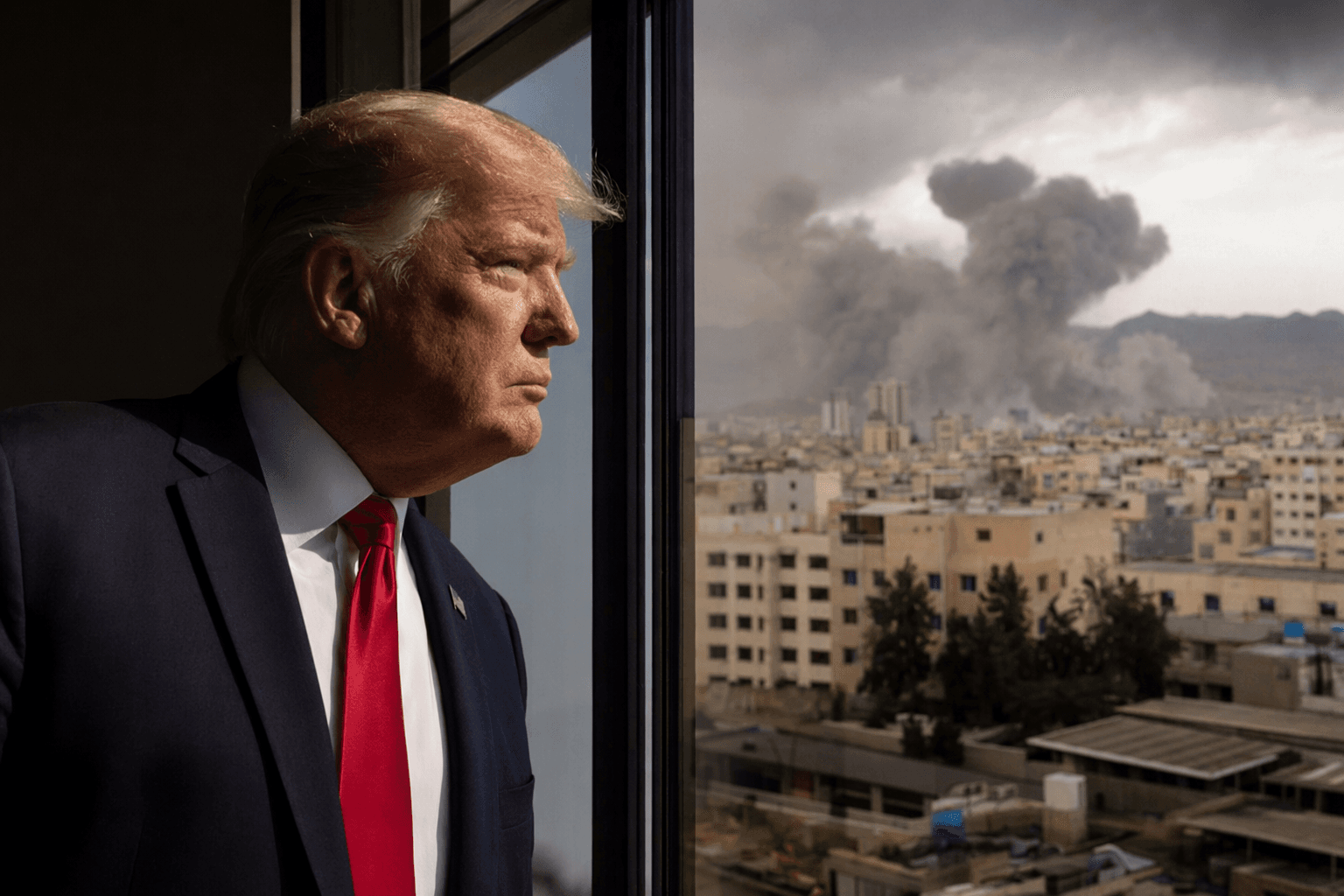
Political pressure inside Washington is building too. TIME reported on April 2, 2026 that Trump advisers were warning the war was becoming increasingly unpopular at home, as gas prices rose, stock markets fell and the president looked for an exit. Yet on May 8, 2026, Secretary of State Marco Rubio said a nuclear-armed Iran was unacceptable and warned that such a state could threaten shipping in the Strait of Hormuz. That is the bind: ending the war without resolving the nuclear issue risks looking like retreat, while escalating to force a settlement risks widening the damage.
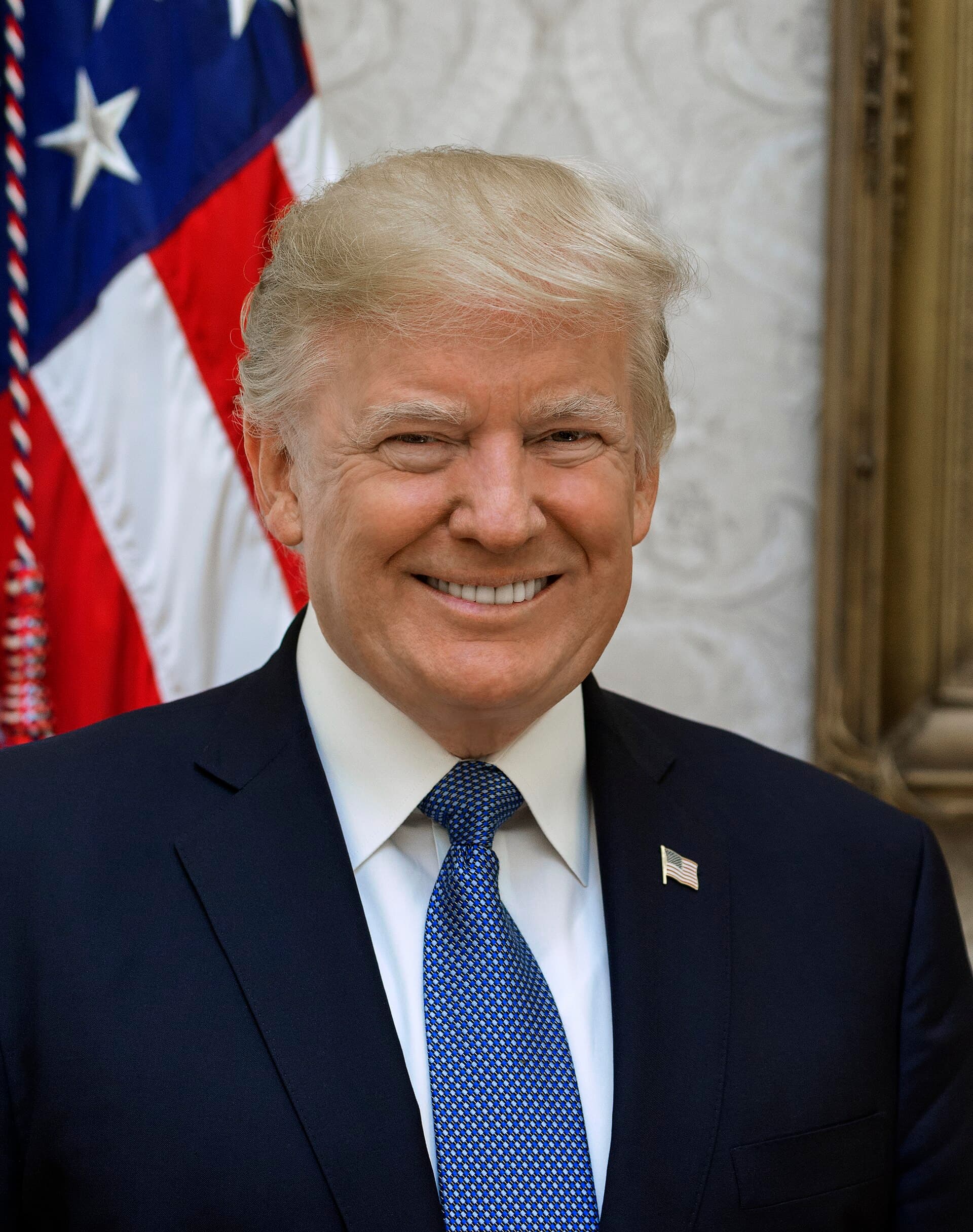
For Trump, the temptation is to frame de-escalation as a solvable diplomatic problem. The record suggests something harsher. Once the inspectors left, the stockpile became opaque, the sanctions regime returned, and the conflict ceased to resemble a crisis with a neat exit. It began to look like a long contest over power, access and credibility, with no off-ramp that can erase the costs already set in motion.
This article was produced by Prism’s automated news system from verified source data, official records, and press releases, then run through automated quality and moderation checks before publishing. The system is built and supervised by the people who set the standards it runs under. Read our full AI policy.
Did this article answer your question?