Trump faces pressure to secure stronger Iran nuclear deal
Trump is being pressed to show his Iran deal can do more than the 2015 accord: tighter limits, stronger verification, and enough security gains to justify past costs.

Trump is under pressure to prove that any new Iran deal can deliver more than the 2015 nuclear accord, because the old benchmark was specific and measurable. The Obama-era JCPOA capped Iran’s enrichment at 3.67% U-235, limited its stockpile to 300 kilograms of UF6, or about 202.8 kilograms of uranium, and paired those limits with intrusive International Atomic Energy Agency monitoring and restrictions on centrifuges and facilities.
That is the standard Trump must beat. The United States withdrew from the JCPOA on May 8, 2018, after Trump said the agreement failed to protect U.S. national security interests and left Iran with too much nuclear capability. Now, with a preliminary understanding said to be close and lawmakers in Washington demanding more detail, the central question is whether Trump can secure terms that are materially tougher than the Obama deal without repeating the same enforcement problems.
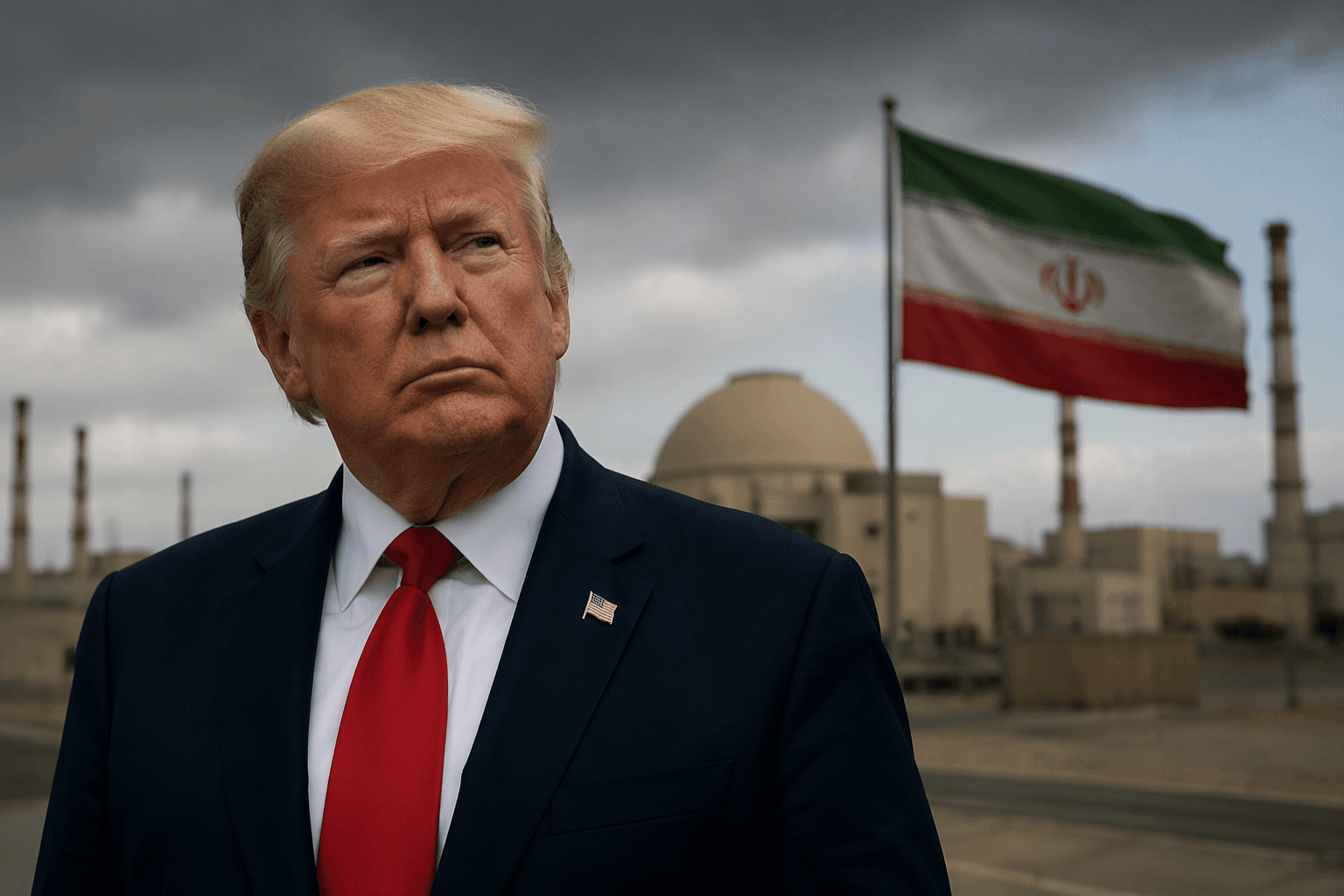
Barack Obama sharpened that test in a June 2026 ABC News interview, saying any Trump-Iran agreement would likely not be significantly different from the JCPOA. For Trump, that creates an accountability benchmark: if the new terms do not cut Iran’s nuclear capacity below what the 2015 deal allowed, extend meaningful restrictions, or strengthen verification enough to stop hidden stockpiles, then the human and economic costs of years of confrontation will be harder to justify.
The verification fight has become as important as enrichment limits. On June 10, 2026, the International Atomic Energy Agency Board of Governors adopted a U.S.-backed resolution by 21 votes to 3, with 10 abstentions, demanding that Iran declare its remaining enriched-uranium stocks and allow inspectors to verify them. The agency’s reporting in 2025 and 2026 said Iran had been enriching uranium to 60% U-235, far beyond the JCPOA ceiling, while access to some sites and materials remained restricted.
Those constraints matter because the agency cannot confidently account for all material if Iran withholds declarations or blocks inspections. The JCPOA had required Iran to provide reports and declarations for affected facilities, because that information was indispensable for safeguards assurances. With monitoring tighter and trust thinner, any new deal will be judged not only on what it promises, but on whether it can slow Iran’s breakout time and prevent another cycle of escalation.
This article was produced by Prism’s automated news system from verified source data, official records, and press releases, then run through automated quality and moderation checks before publishing. The system is built and supervised by the people who set the standards it runs under. Read our full AI policy.
Know something we missed? Have a correction or additional information?
Submit a Tip