Trump faces War Powers deadline on Iran conflict as Congress stalls
Trump’s Iran war enters its War Powers deadline day as Congress leaves him with no authorization and no clear enforcement path.
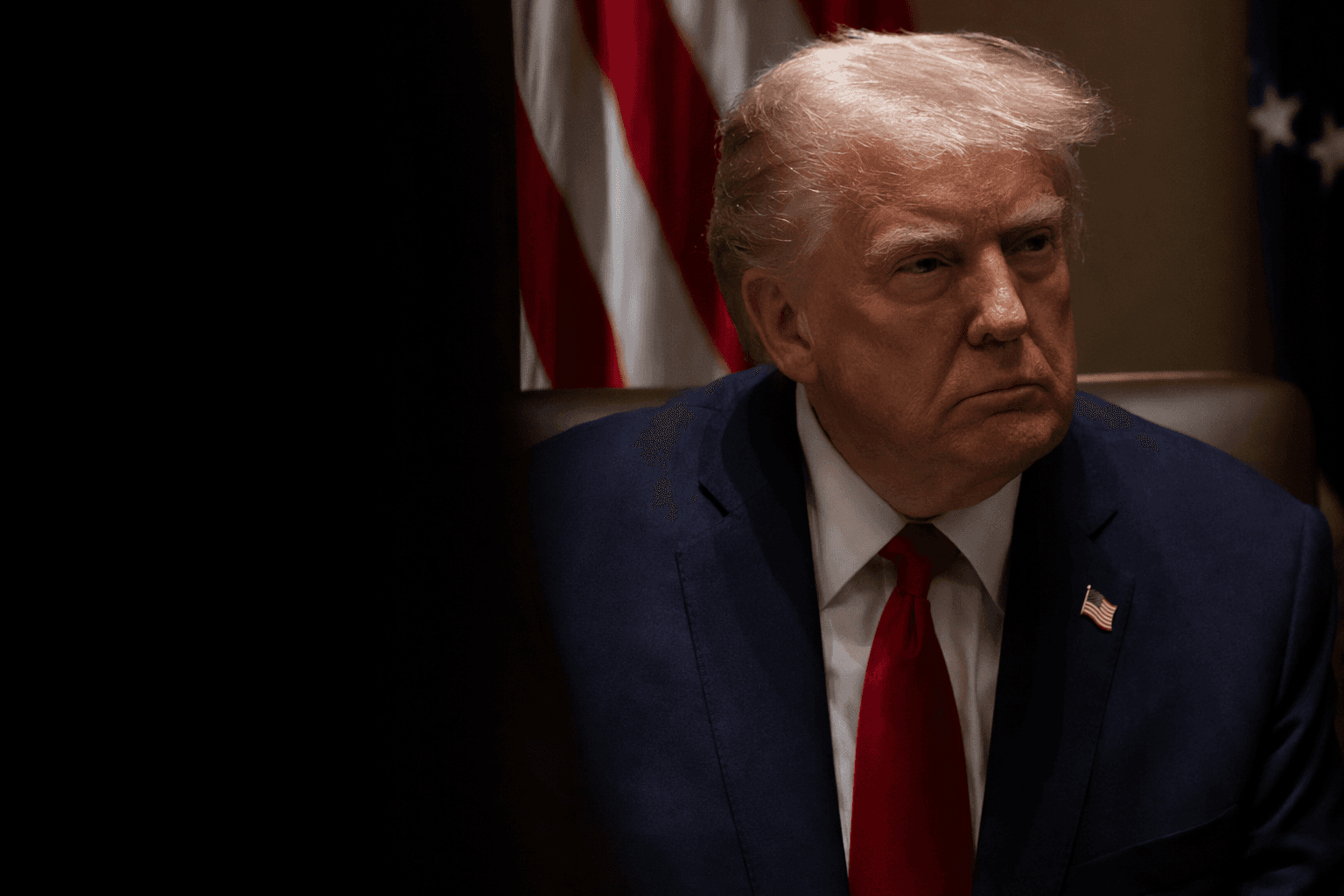
The War Powers clock ran out on Friday, putting Donald Trump on notice that the Iran campaign now sits squarely inside a constitutional and political test the law was meant to settle: either Congress authorizes the fighting, or U.S. forces are supposed to come home. Under the 1973 War Powers Resolution, a president who introduces forces into hostilities must notify Congress and then withdraw after 60 days unless lawmakers approve the mission or grant a short extension, and Trump’s March 2 notification set the deadline for May 1. He has not asked for the optional 30-day extension.
What makes the deadline so consequential is not just the statute’s wording, but the record behind it. Congress created the law after Vietnam to force a shared decision on war, yet the Congressional Research Service says presidents submitted 168 War Powers reports from 1975 through March 2017, and only one explicitly cited the 60-day withdrawal trigger. That history helps explain the gap between law and enforcement: the deadline is real, but presidents have often treated it as a political hurdle rather than a hard stop.
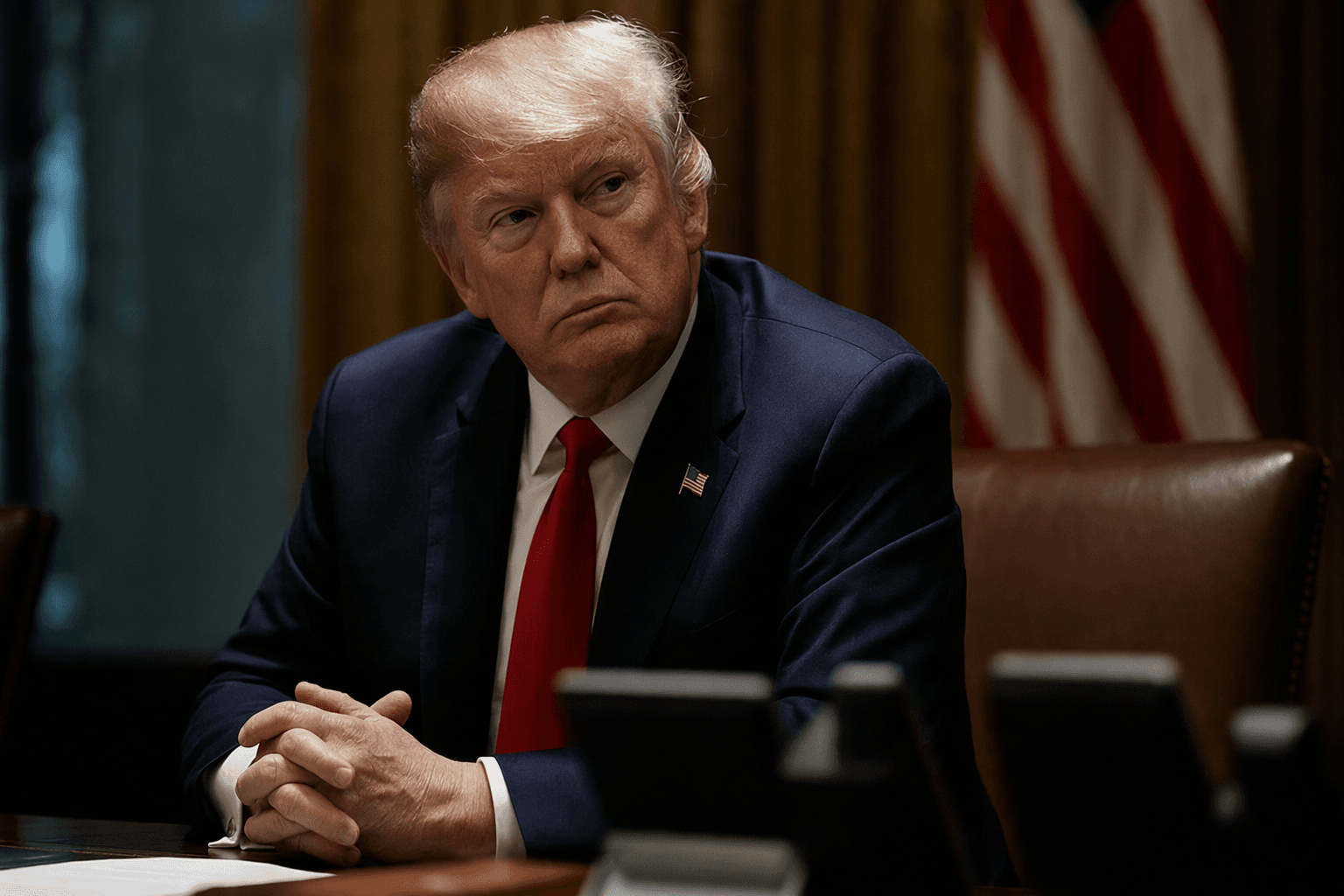
On Capitol Hill, lawmakers have already tried to use the law to rein Trump in. The Senate’s S.J.Res. 118, introduced March 5, would direct the removal of U.S. forces from hostilities with Iran that were not authorized by Congress. The House version, H.Con.Res. 38, carries the same aim. But the chamber most able to force a near-term change has balked, with a House war-powers effort on Iran failing 213-214. Republicans have largely stood with Trump, while Democrats including Tim Kaine, Cory Booker, Adam Schiff, Chris Murphy, Ro Khanna and others have pressed for Congress to reclaim its war-making authority.
The stakes are not abstract. Reporting from April 8 said 13 U.S. service members had been killed and 381 wounded in Operation Epic Fury, the U.S. campaign Congress has identified in its text as beginning on February 28. That toll has sharpened the argument over whether military operations can continue without a fresh vote from Congress, especially when the administration has said it may not be able to predict the full scope and duration of the conflict.

In the next 72 hours, the most realistic consequences are political rather than automatic. Congress can still pass an authorization, attach restrictions, or force another floor fight, but the statute itself does not reliably police the president. If Trump keeps going past the deadline, the clash will test whether a 45-year-old check on war powers still has any force when lawmakers cannot, or will not, make it bite.
Know something we missed? Have a correction or additional information?
Submit a Tip