Trump fails to secure China help to reopen Strait of Hormuz
Gasoline, airfare and freight bills are next if oil stays high, as Trump’s China push failed to break the Strait of Hormuz stalemate.

If oil stays elevated, Americans will feel it first at the pump, then in airline tickets, shipping costs and inflation expectations. The bigger danger is not just market nerves, but a Strait of Hormuz crisis that is turning a geopolitical standoff into a consumer-price shock.
Hopes for a quick end to the war in Iran faded after President Donald Trump failed to secure a commitment from China to help persuade Tehran to reopen the waterway. The Strait of Hormuz is one of the world’s most important energy chokepoints, and the U.S. Energy Information Administration said it carried nearly 20% of global oil supply before military action began on February 28. The agency now says the strait has been effectively closed to shipping traffic since then.
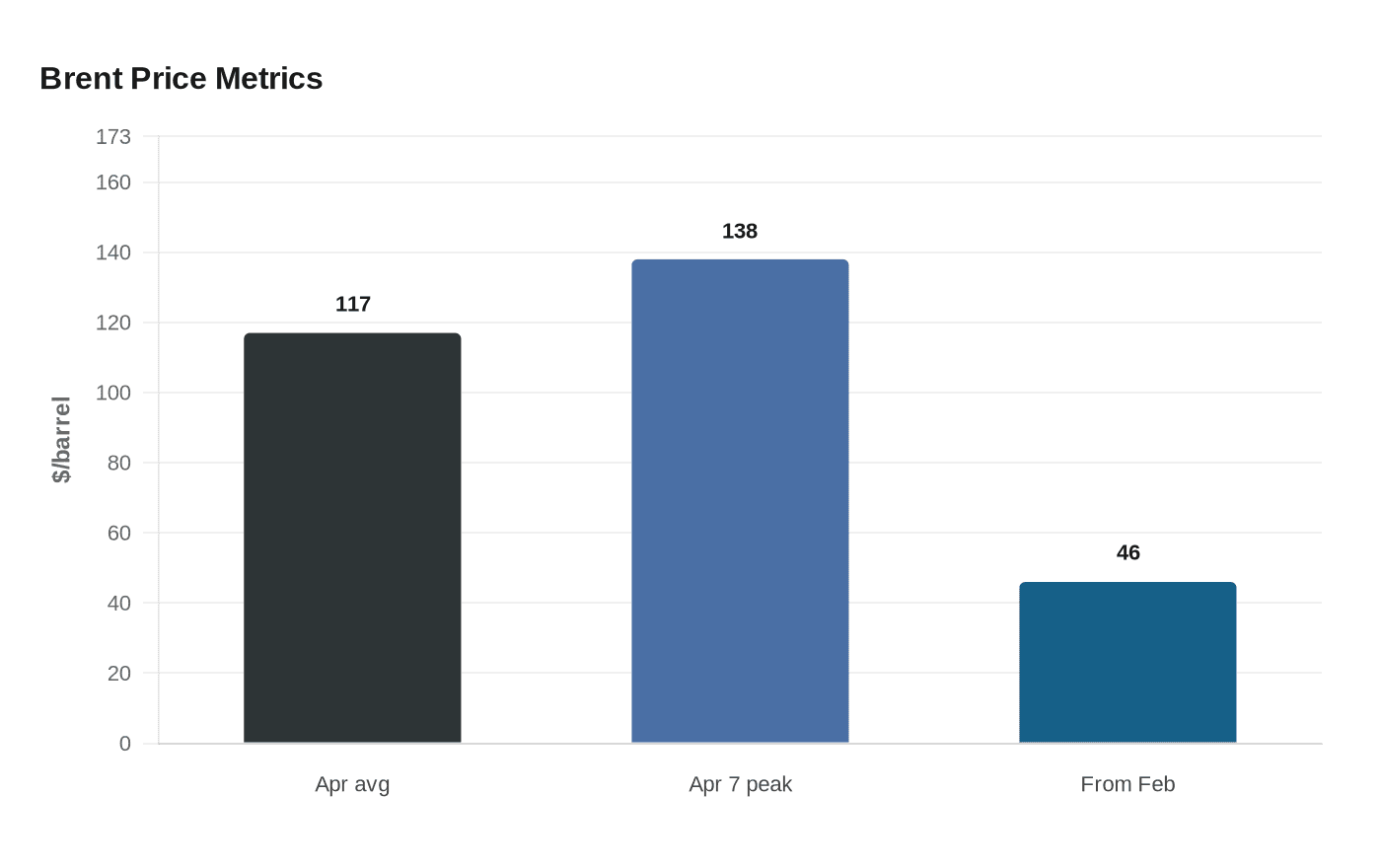
The price response has been severe. The EIA said Brent crude averaged $117 a barrel in April, up $46 from February, and briefly touched $138 on April 7. It also said Brent implied volatility averaged 78% since the conflict began, far above the generally sub-30% levels seen before the fighting, and peaked at 106% on March 12, the highest since the early days of the COVID-19 pandemic. That kind of turbulence raises the odds of higher fuel costs feeding into broader inflation, especially if airlines, shippers and refiners start locking in pricier supplies and insurance.
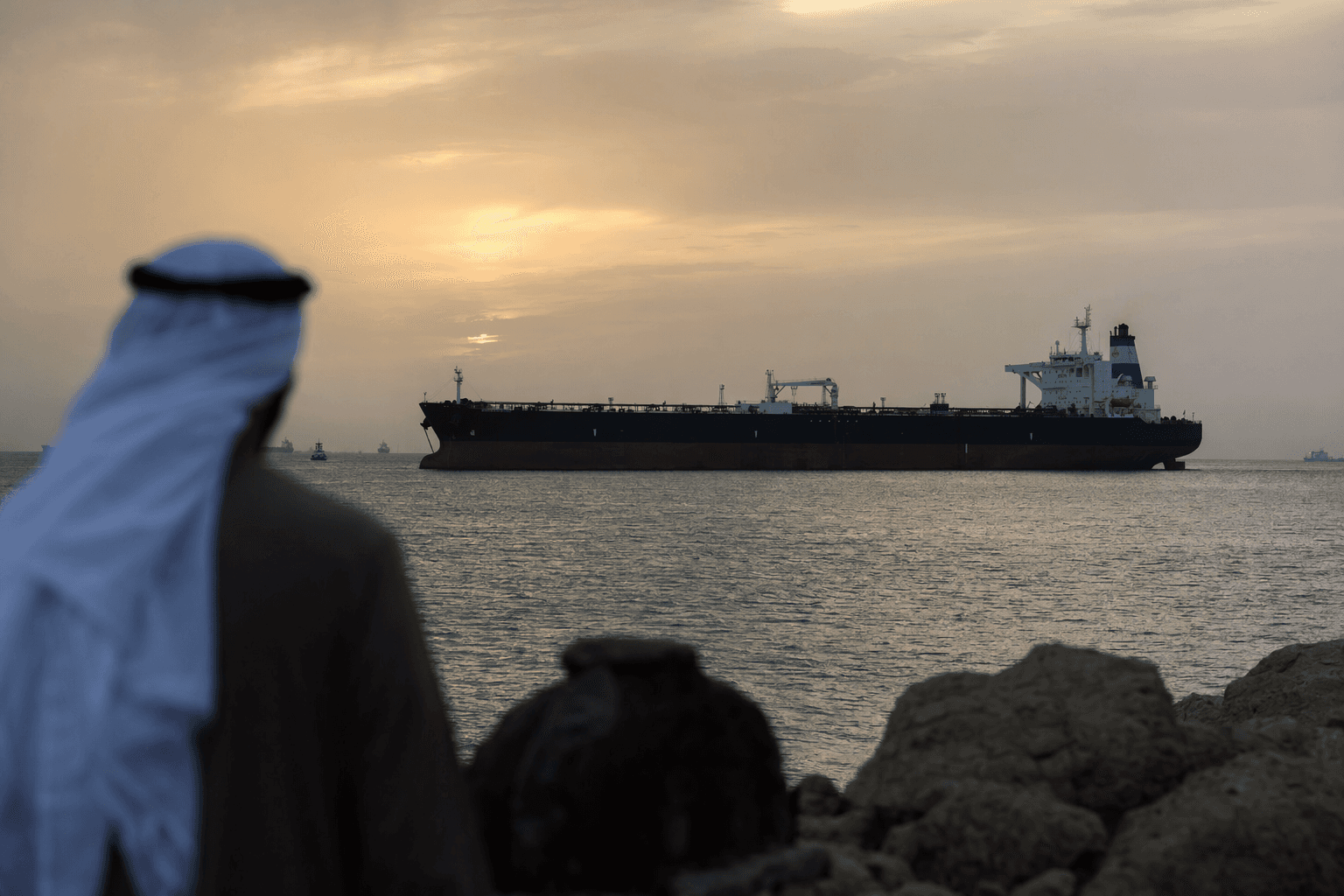
Washington has argued that Beijing has the strongest incentive to intervene. U.S. Treasury Secretary Scott Bessent said China has a much bigger interest than the United States in reopening the strait, since China is the world’s largest oil importer. There are signs of limited movement: Iran has begun allowing some Chinese vessels to transit after an understanding over Iranian management protocols, and a Chinese supertanker carrying 2 million barrels of Iraqi crude crossed the strait after being stranded for more than two months.
Still, the EIA expects the disruption to linger. It says the strait will remain effectively closed through late May, with flows slowly resuming in late May or early June, and that a closure one month longer than expected, through late June, would push crude prices more than $20 a barrel above current forecasts in the near term. Fatih Birol, the head of the International Energy Agency, said the crisis has undermined trust in Hormuz as a reliable energy corridor, and the agency now expects most pre-conflict production and trade patterns may not fully return until late 2026 or early 2027. For consumers, that means the shock is no longer confined to oil charts in trading rooms; it is moving into household budgets, freight networks and the inflation outlook itself.
This article was produced by Prism’s automated news system from verified source data, official records, and press releases, then run through automated quality and moderation checks before publishing. The system is built and supervised by the people who set the standards it runs under. Read our full AI policy.
Did this article answer your question?
%3Amax_bytes(150000)%3Astrip_icc()%2FCertificate-of-deposit-2301f2164ceb4e91b100cb92aa6f868a.jpg&w=1920&q=75)