Trump Freezes Senate Agenda Until SAVE America Act Voter ID Bill Passes
A 24-day DHS shutdown is snarling TSA checkpoints and halting Coast Guard paychecks as Trump refuses to advance any legislation until voter ID reforms clear the Senate.
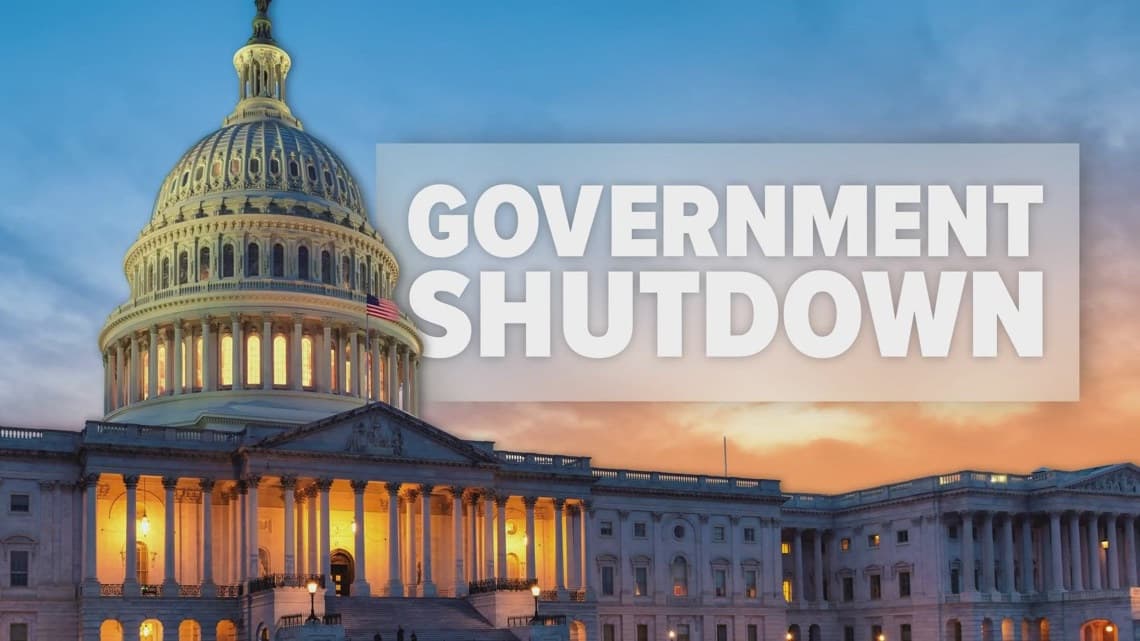
The Department of Homeland Security shutdown has stretched to 24 days, and the cascading effects are now tangible for millions of Americans: TSA screening lines are slowing at major airports, and Coast Guard personnel are working without pay as congressional Republicans face mounting pressure to pass the SAVE America Act.
President Trump has drawn a hard line, pledging to block movement on all other Senate legislation until the voter ID reform bill advances. The ultimatum has transformed a spending standoff into a broader constitutional confrontation over election law, with DHS operations caught in the crossfire.
The human cost is becoming harder to ignore. Coast Guard members, considered essential personnel and required to report for duty regardless of a funding lapse, have missed at least one pay cycle. TSA agents, similarly deemed essential, are reporting delays as staffing strains emerge at busy hubs including Atlanta, Chicago O'Hare, and Los Angeles International. Airport officials in several cities have warned that passenger wait times could worsen significantly if the shutdown extends another two weeks.
The SAVE America Act centers on mandatory voter identification requirements for federal elections, a longstanding Republican priority that has struggled to clear procedural thresholds in the Senate. Supporters argue the measure would strengthen election integrity; critics contend it would suppress turnout among lower-income and minority voters who are less likely to hold qualifying identification.
The political calculus is complex. Republican strategists, as noted by Punchbowl News, see the standoff as a potential midterm asset, betting that base voters reward a party that forces the issue even at the cost of short-term governing disruption. But that calculation carries significant risk: a prolonged shutdown affecting air travel touches a far broader cross-section of the electorate than most fiscal disputes, including frequent-flying suburban voters Republicans cannot afford to lose in 2026.
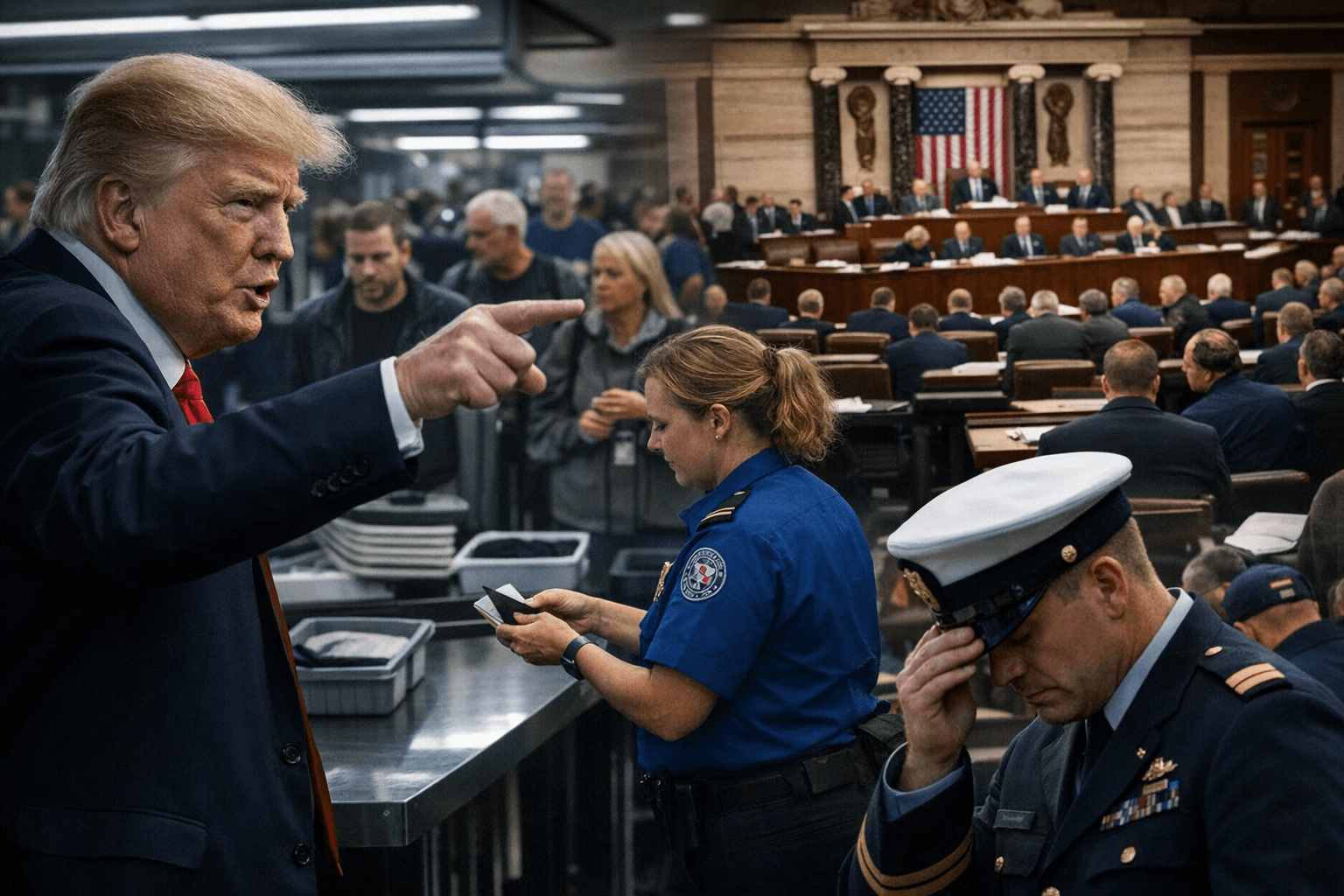
Senate Republicans are divided. A handful of members from competitive states have privately expressed frustration with the leverage strategy, concerned that visible service disruptions hand Democrats a concrete example of governance failure. Leadership, however, has shown no sign of decoupling the two issues.
The economic stakes are not trivial. The DHS budget covers not only border operations and transportation security but also FEMA preparedness programs and cybersecurity infrastructure. A prolonged lapse risks delaying federal disaster reimbursements to states still processing claims from recent weather events, adding another pressure point on Republican governors who have stayed publicly quiet so far.
For the White House, the gamble is straightforward: enough institutional pain to force a Senate vote before the shutdown calculus shifts further against the party. Twenty-four days in, that threshold appears not yet reached, but the window is narrowing with every missed Coast Guard paycheck and every lengthening security line.
Know something we missed? Have a correction or additional information?
Submit a Tip

