Trump grants extend life of repeatedly cited coal plants
Federal grants are helping keep three repeatedly cited coal plants alive, including Cumberland, which got a $46 million pledge after years of pollution violations.

Federal money is extending the lives of coal plants that regulators have already warned for years, deepening a clash between grid politics and environmental enforcement. At least three of the 12 coal plants receiving Trump administration Department of Energy grants had been repeatedly cited for violating environmental rules, including facilities in Tennessee, Oklahoma and North Carolina.
The plants identified were the Cumberland Fossil Plant in Tennessee, the Grand River Energy Center in Oklahoma and the Roxboro Steam Electric Plant in North Carolina. Cumberland stands out as the clearest example of the contradiction. It was part of a multibillion-dollar settlement in 2011 after the Tennessee Valley Authority failed to install pollution-control technology a decade earlier, then was cited again for air-pollution violations in 2017 and 2023.
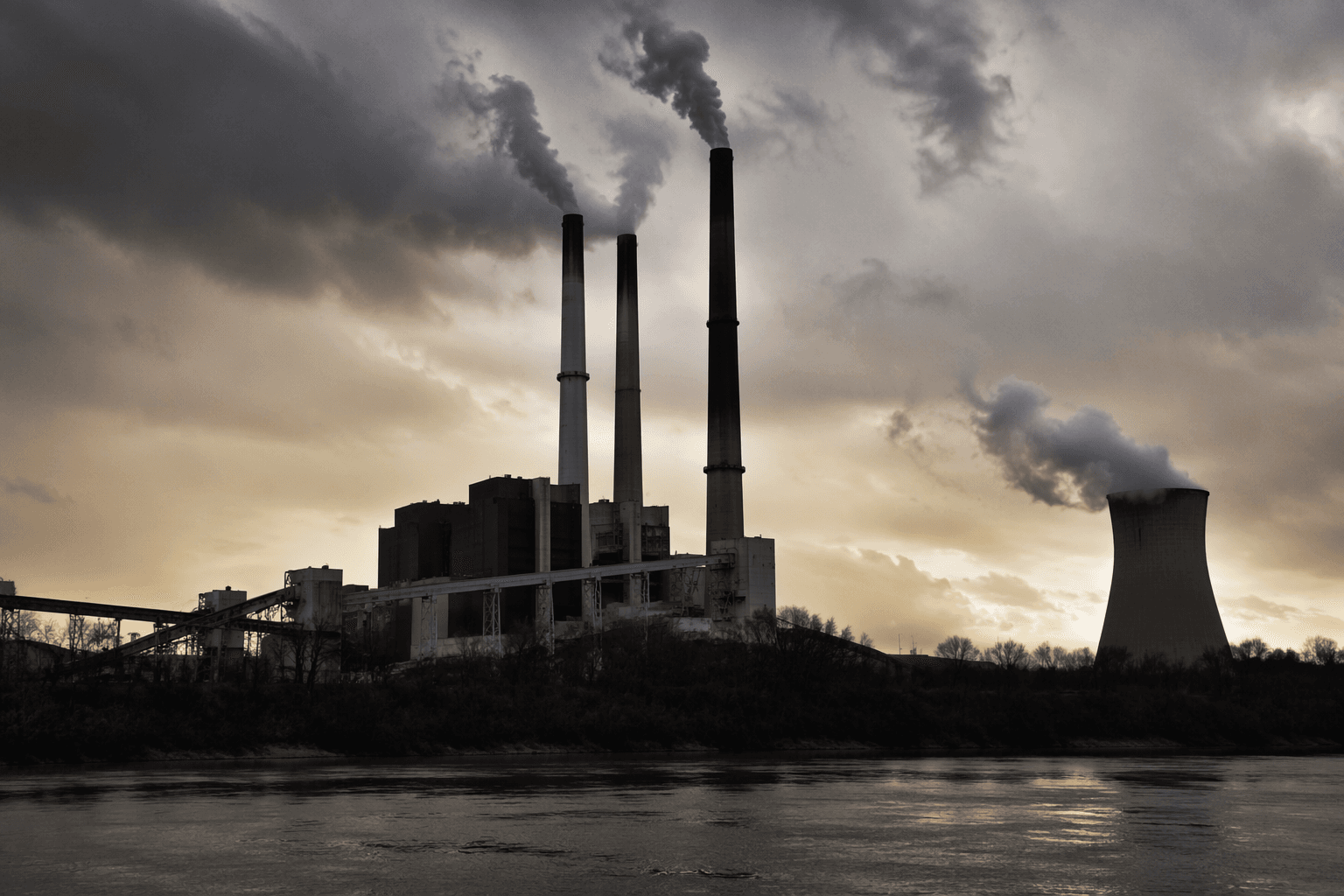
TVA had planned to retire Cumberland’s units in 2026 and 2028, but the utility reversed course in February after the Trump administration replaced four TVA board members. Soon after, the administration pledged $46 million to extend the plant’s lifespan. The move fit a broader federal push framed around “energy dominance” and keeping older coal plants running, even as those plants continued to rack up compliance problems.
The other two plants named in the funding program also have long violation histories. Grand River and Roxboro were cited over the past decade for environmental violations, including wastewater releases with excess pollutants. For communities living near those plants, the issue is not abstract policy but day-to-day exposure to dirty air and polluted water, especially in working-class neighborhoods and communities of color that already carry a heavier pollution burden.
The grants landed amid a wider legal and regulatory fight. In June 2025, 12 environmental and community groups sued over presidential exemptions that allowed 68 coal-fired power plants in 23 states to delay compliance with tighter mercury and arsenic limits under the 2024 Mercury and Air Toxics Standards. Separately, in early 2026, the Environmental Protection Agency faced strong public opposition to a proposal that would push closure deadlines to October 2031 for 11 coal plants with 13 unlined coal-ash impoundments, sites critics said could keep leaking toxic contaminants into groundwater.
For advocates, the pattern is unmistakable: federal policy is helping coal operators buy time while residents near the plants absorb the risks.
This article was produced by Prism’s automated news system from verified source data, official records, and press releases, then run through automated quality and moderation checks before publishing. The system is built and supervised by the people who set the standards it runs under. Read our full AI policy.
Know something we missed? Have a correction or additional information?
Submit a Tip