Trump halts Greenland tariffs after Davos meeting - framework agreed
Trump announced withdrawal of planned tariffs after meeting NATO chief, saying a framework for an Arctic deal was reached and formal talks will follow.
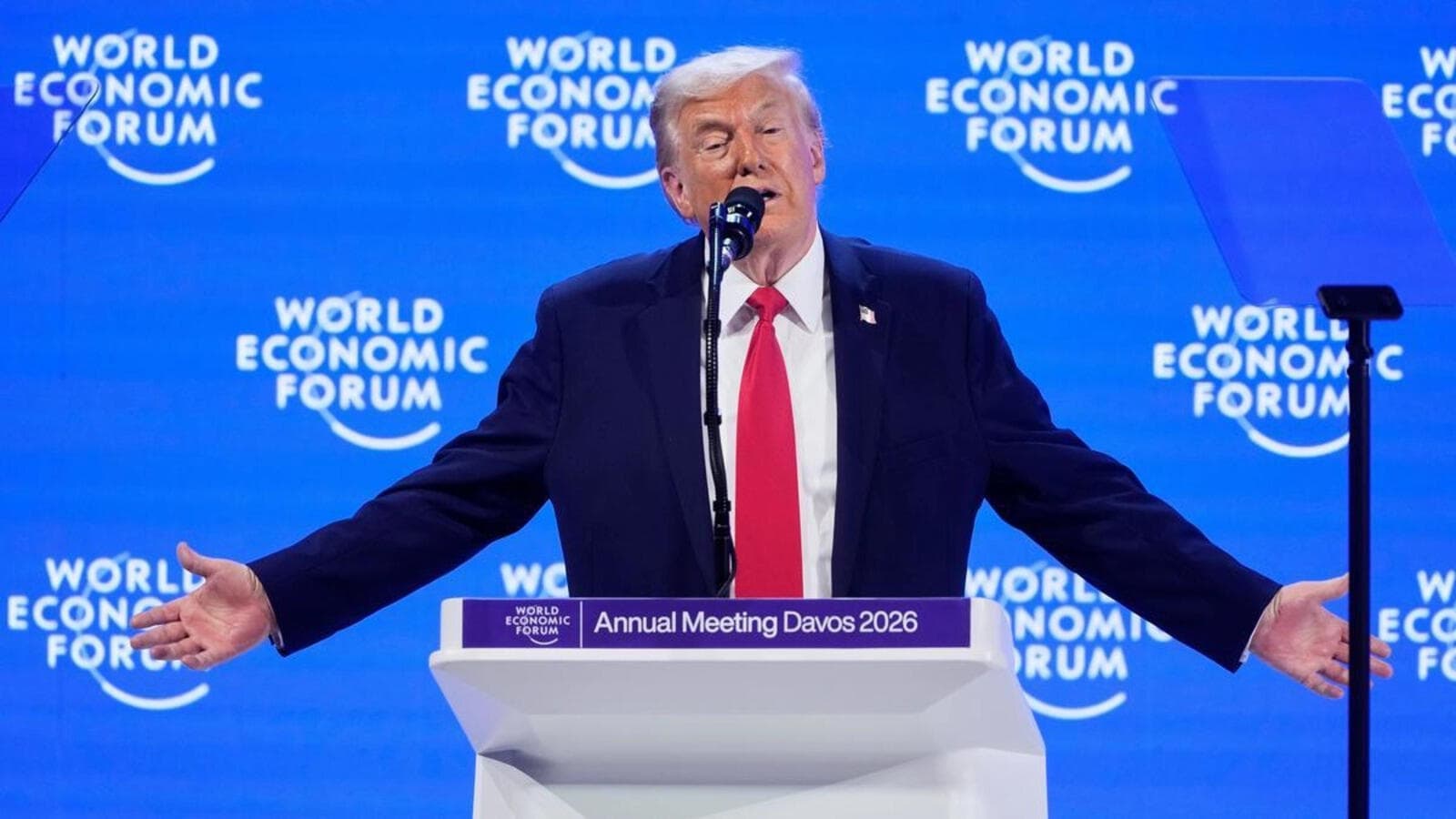
President Donald Trump announced he would not impose the tariffs he had threatened on a swath of European countries after a meeting in Davos with NATO Secretary General Mark Rutte, saying the two had "formed the framework of a future deal with respect to Greenland and, in fact, the entire Arctic Region." In a social media post he added: "Based upon this understanding, I will not be imposing the Tariffs that were scheduled to go into effect on February 1st."
The move reverses a plan announced over the previous weekend to levy a 10 percent duty on U.S.-bound goods from countries that opposed his push for U.S. control or special access to Greenland, with the tariff set to rise to 25 percent on June 1 if no accord were achieved. Nations named in the dispute included Sweden, Norway, France, Germany, the United Kingdom, the Netherlands, Finland and Denmark. White-collar markets reacted positively to the announcement, with traders signaling relief that a looming trade shock had been averted.
Trump told World Economic Forum audiences he was "seeking immediate negotiations" over Greenland and in interviews described the arrangement with Rutte as one that "puts everybody in a really good position, especially as it pertains to security and to minerals." He called it "a deal that's forever" and declined to give detailed terms, calling the matter "a little bit complex" and saying specifics would be disclosed later. He also insisted he would not use military force, saying, "We probably won't get anything unless I decide to use excessive force. We'd be unstoppable, but we won't do that. I don't have to use force. I don't want to use force. I won't use force."
The administration named a negotiating team to carry the effort forward: Vice President J.D. Vance, Secretary of State Marco Rubio and Special Envoy Steve Witkoff. The White House indicated the talks will center on security arrangements, mineral access and preventing rival powers from establishing footholds in the Arctic. Trump referenced plans for a missile-defense posture linked to Greenland, sometimes characterized in reporting as a "Golden Dome" system, and signaled interest in securing critical minerals that are abundant in the region.
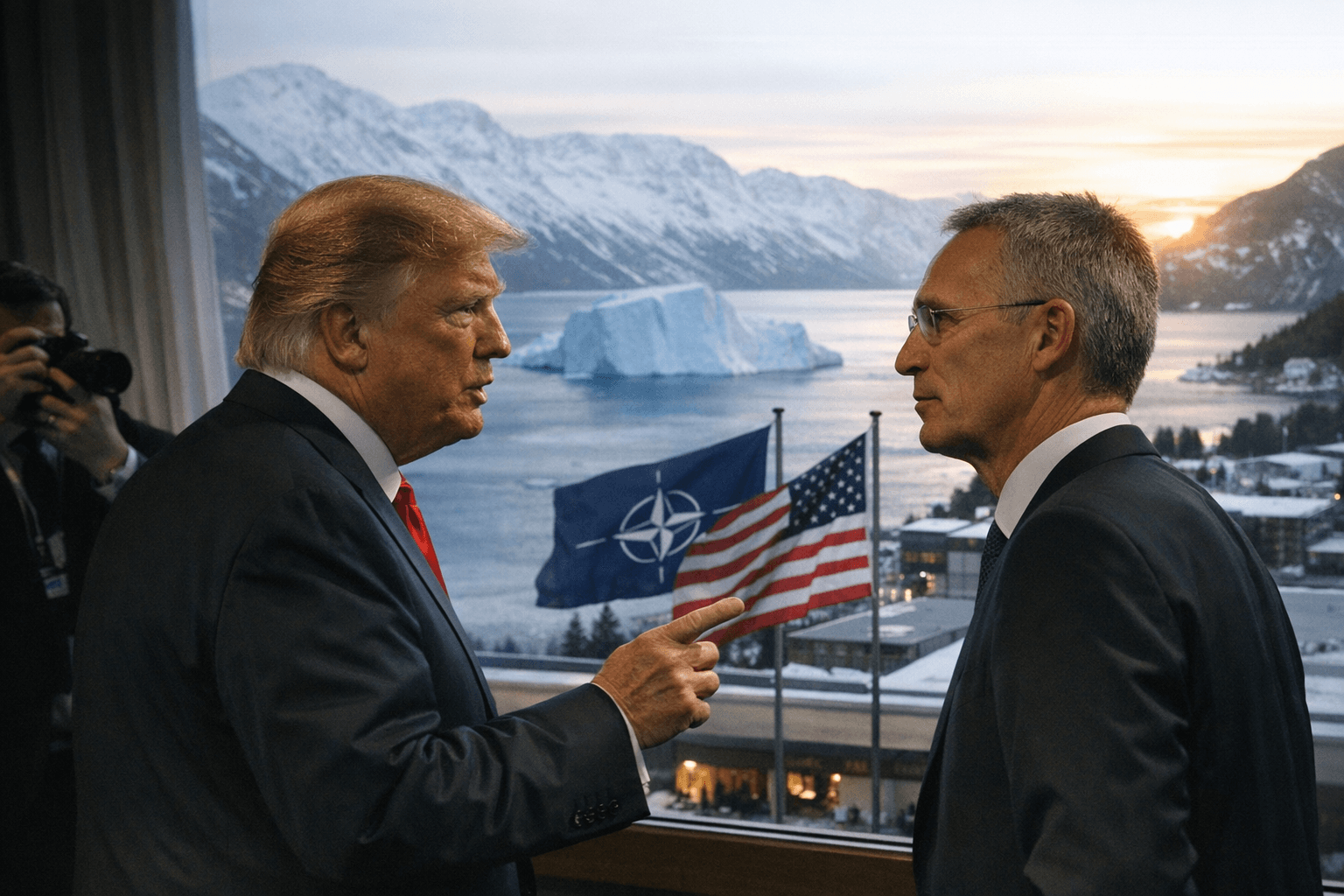
NATO officials framed the Davos meeting as a security conversation rather than a bilateral land transfer. A NATO spokeswoman said the discussions underscored the strategic importance of the Arctic and that negotiations involving Denmark, Greenland and the United States would proceed with the aim of preventing economic or military encroachment by Russia or China. Denmark, which retains sovereignty over Greenland, stressed that the island's status is a matter of national sovereignty and should be handled through private diplomacy rather than public pronouncements.
Policy analysts and lawmakers voiced immediate questions about the legal and institutional path forward. Any formal change in governance or defense posture in Greenland would require sustained trilateral diplomacy and legal instruments that respect Danish sovereignty and Greenlandic self-governance. Congressional committees and allied capitals will watch whether the agreement remains a political framework or yields a written pact with enforceable timelines and oversight provisions.
The near-term benchmarks are clear: whether Denmark and Greenland accept the U.S. negotiating posture, the publication of concrete terms on missile defense and mineral access, and whether the suspended tariff schedule remains withdrawn if talks falter. Markets and allied governments will track those developments closely, ready to reassess trade and security alignments as the negotiations unfold.
This article was produced by Prism’s automated news system from verified source data, official records, and press releases, then run through automated quality and moderation checks before publishing. The system is built and supervised by the people who set the standards it runs under. Read our full AI policy.
Did this article answer your question?

