Trump imposes new blockade on Strait of Hormuz as strikes continue
Trump put a 20% charge on cargo through Hormuz as oil prices rose after strikes and tanker attacks killed one Indian crew member.
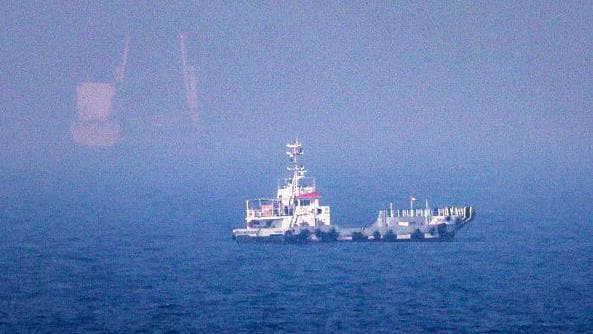
Donald Trump imposed a 20% charge on cargo moving through the Strait of Hormuz and ordered a renewed blockade of Iranian ports near the passage as U.S. strikes on Iran continued for a third straight night. The move pushed oil prices higher and stocks lower. The narrow waterway carried about 20% of the world’s oil trade before the conflict choked traffic.
Trump said the United States would act as the “guardian” of the strait and that the waterway would remain open “with or without Iran.” The blockade was set to resume Tuesday at 4 p.m. ET. The waterway connects Gulf producers to global markets and any disruption can ripple through shipping insurance, freight costs and fuel costs far beyond the region.
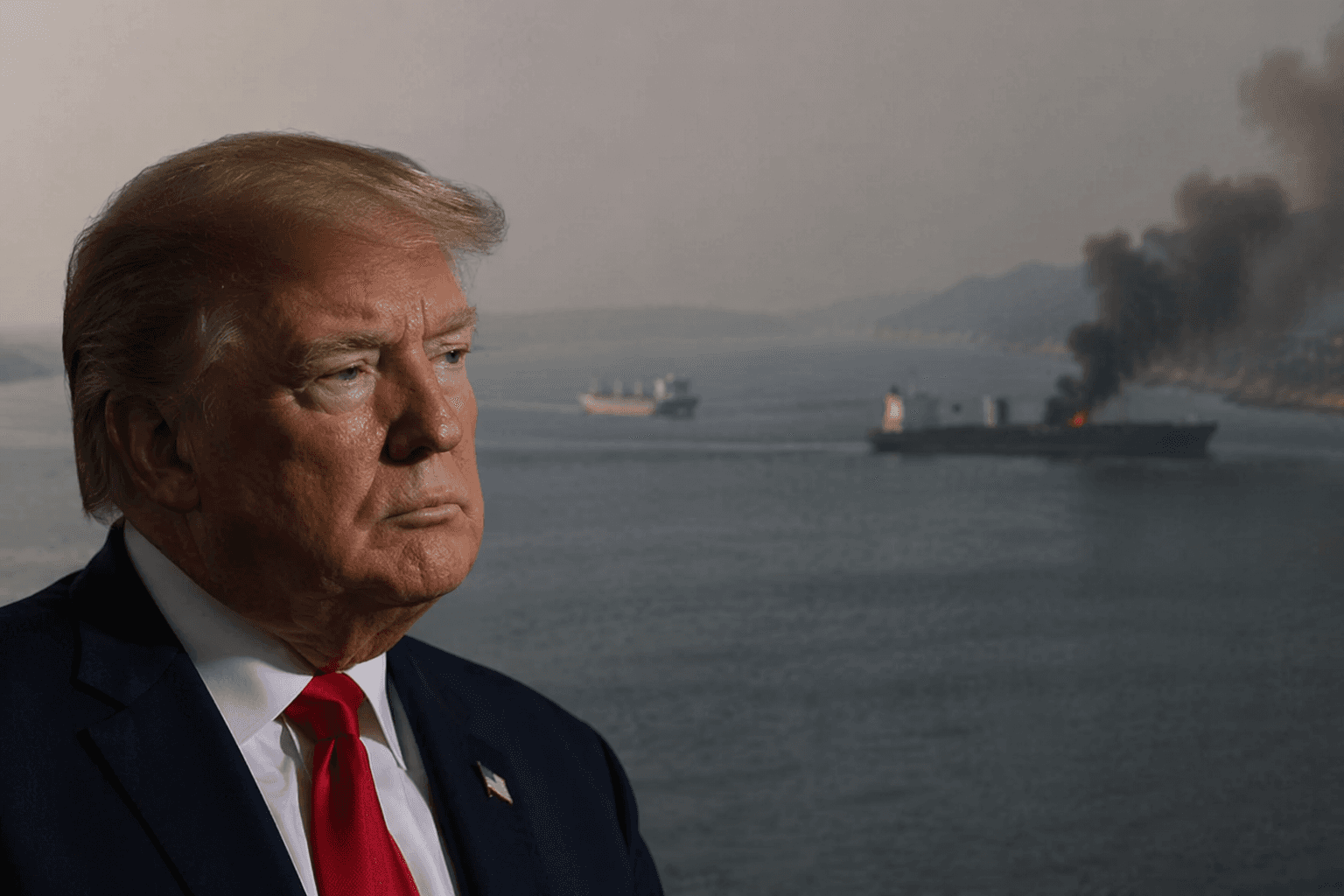
The United Arab Emirates said Iran struck two Emirati oil tankers in the Strait of Hormuz, killing one Indian crew member and wounding eight others. The vessels were identified as the Mombasa and Al Bahiyah, and the UAE said they were hit in the southern lane of the strait while in Omani waters. Abu Dhabi condemned the attack as a serious breach of international law and said it reserved the right to take all necessary measures to defend its sovereignty and security.
U.S. forces hit Iranian military and oil-related targets, including Kharg Island, Bandar Abbas, Sirik and Qeshm Island, in retaliation for attacks on commercial shipping. The strikes hit dozens of targets.
Qatar condemned Iranian strikes on Kuwait and Bahrain and called for diplomacy. Trump later said the ceasefire was “over,” even as he insisted a deal remained possible.
This article was produced by Prism’s automated news system from verified source data, official records, and press releases, then run through automated quality and moderation checks before publishing. The system is built and supervised by the people who set the standards it runs under. Read our full AI policy.
Did this article answer your question?