Trump imposes new tariffs of up to 12.5% on 60 countries
Trump’s new tariffs hit 60 economies and 99.4% of U.S. imports, with India at 10% and most others at 12.5% as the old 10% levy expired.
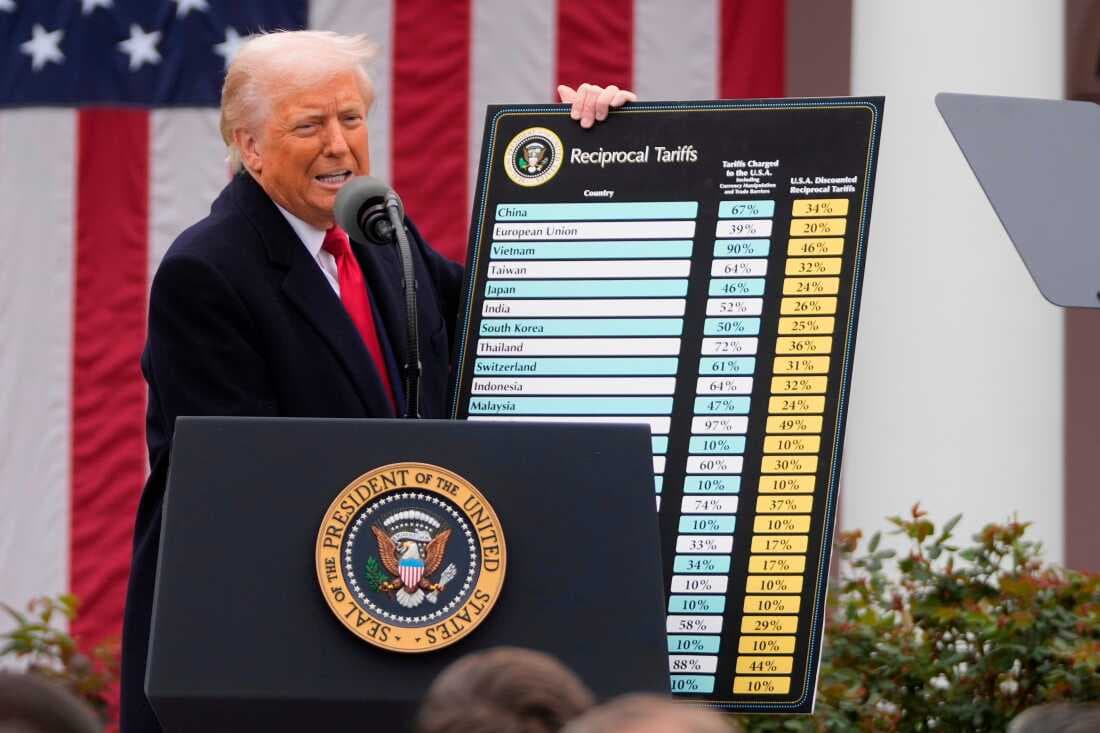
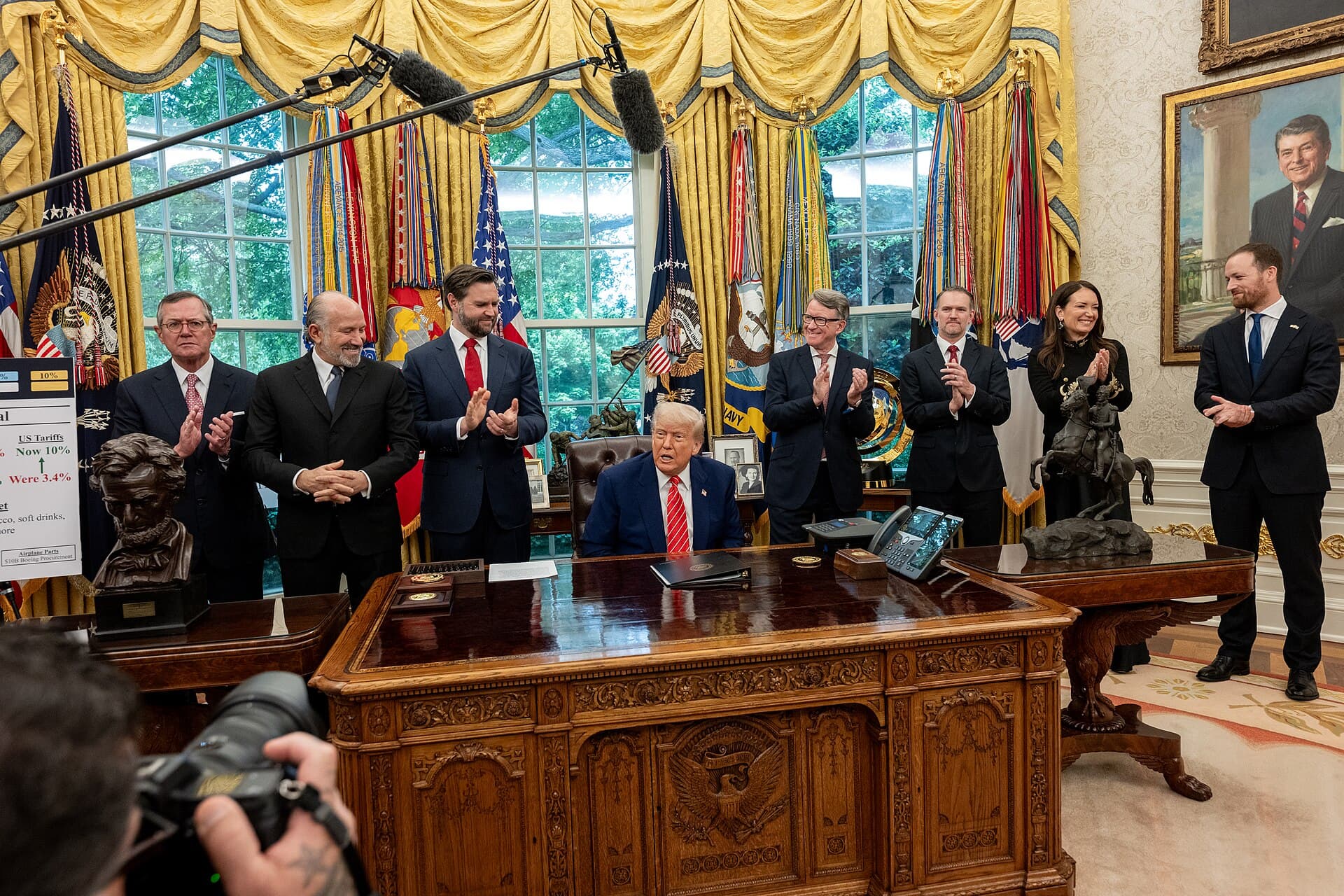
President Donald Trump imposed new tariffs of up to 12.5% on 60 countries and economies as the administration’s temporary 10% levies expired at 12:01 a.m. ET Friday. The new duties, tied to Section 301 forced-labor investigations led by U.S. Trade Representative Jamieson Greer, cover about 99.4% of U.S. imports. Countries with partial forced-labor bans were assigned a 10% rate; all others were hit with 12.5%, with India landing in the lower bracket after trade talks with Washington.
China, Japan and the European Union were among the biggest names caught in the 12.5% rate. In March, the U.S. had already opened unfair-trade-practices probes of 60 economies over forced labor, laying the groundwork for the tariff move that followed.
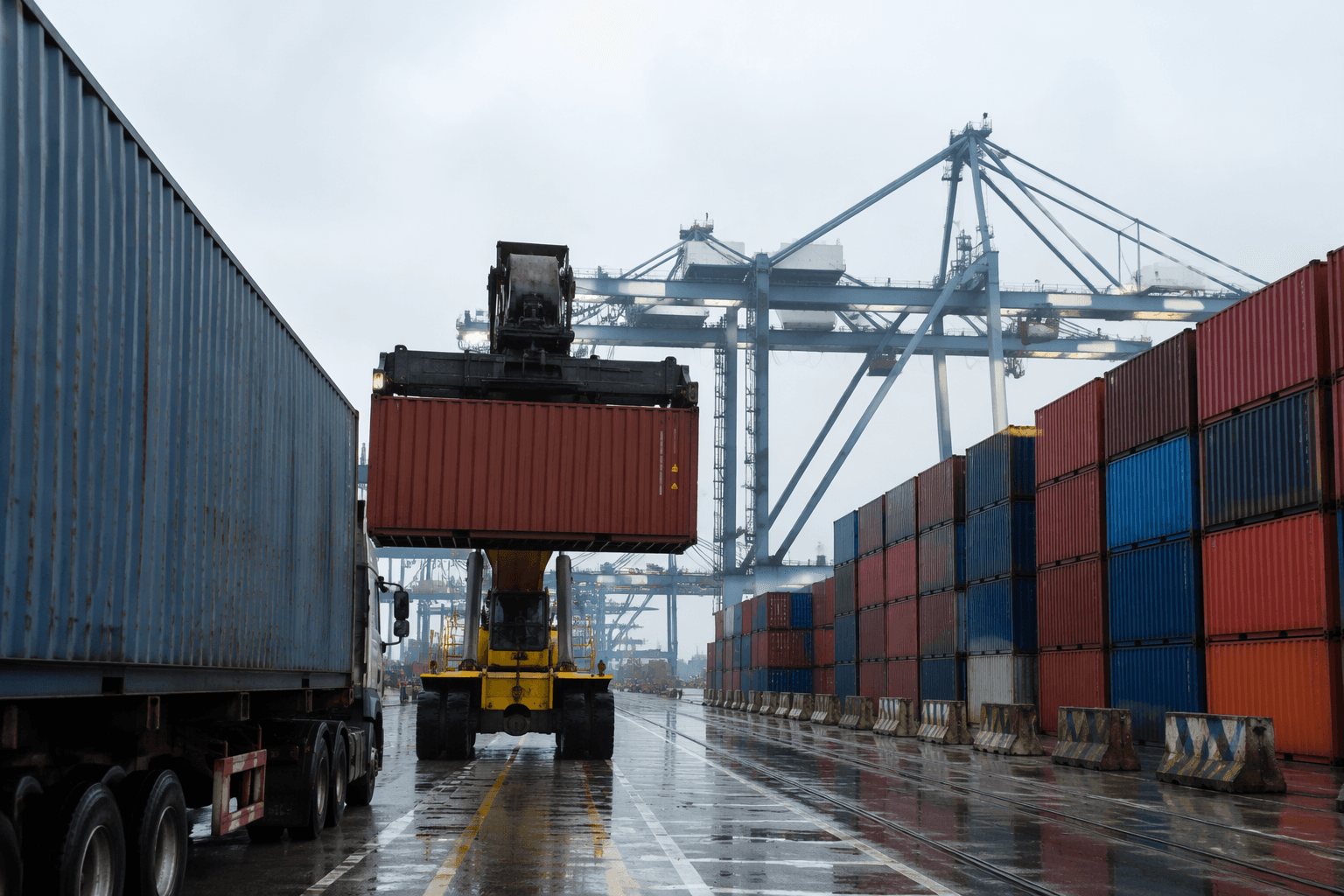
U.S. retailers and importers that source clothing, shoes, toys and consumer electronics from Asia now face a choice between thinner margins and higher shelf prices. Auto makers and parts suppliers are also exposed through Japanese and European suppliers, while industrial buyers that depend on imported machinery and components will see costs rise before a product ever reaches a customer. Even where businesses can switch suppliers, the adjustment usually takes time and often comes at a higher price.
Households are most likely to feel the policy in the categories that move fastest through the checkout line: phones, laptops, apparel, footwear, toys and vehicles. Because the tariff package reaches nearly the entire import base, companies that do not buy directly from the targeted economies can still face higher costs when their own suppliers change sourcing, renegotiate contracts or pass along freight and compliance expenses.
After the Supreme Court struck down his earlier tariff authority, the White House shifted to Section 122 and Section 301 mechanisms. It had already announced a reciprocal-tariff framework on Feb. 13, 2025, unveiled reciprocal duties on April 2, published country-specific rates in Annex I on April 5, and later modified the system again through actions in July and a Sept. 5, 2025 executive order.
This article was produced by Prism’s automated news system from verified source data, official records, and press releases, then run through automated quality and moderation checks before publishing. The system is built and supervised by the people who set the standards it runs under. Read our full AI policy.
Did this article answer your question?