Trump Invites Kazakhstan and Uzbekistan Leaders to Miami G20 Summit
President Donald Trump announces telephone calls and invitations to Kazakhstan and Uzbekistan leaders to attend the United States hosted G20 leaders summit in Miami in 2026, signaling renewed U.S. attention to Central Asia. The outreach underscores Washington’s interest in peace initiatives, trade and access to strategic minerals, even as both capitals have not yet confirmed acceptance.
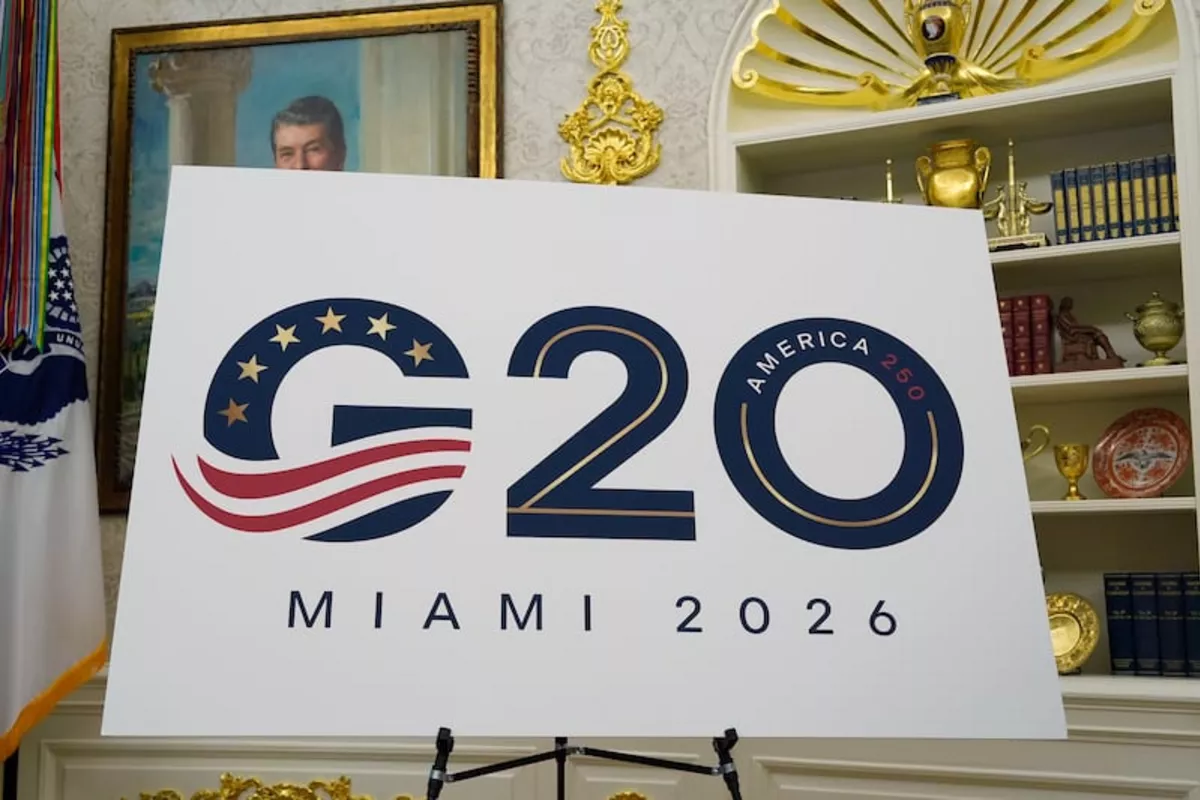
President Donald Trump announces on Dec. 23 that he spoke by telephone with Kazakhstan’s Kassym Jomart Tokayev and Uzbekistan’s Shavkat Mirziyoyev and invited them to attend the G20 leaders summit that the United States will host in Miami in 2026. The outreach was posted on his social platform, where he described the calls as productive and framed the invitations as part of broader discussions about peace, trade and cooperation.
The White House announcement, made directly by the president on social media, said the conversations covered “the importance of bringing peace to ongoing conflicts, and increased trade and cooperation between our nations.” Mr. Trump added that relations with both countries were “spectacular” and that they would be extended invitations to join the summit as guests. There has been no confirmation from either the Kazakh or Uzbek presidencies that the leaders have accepted or will attend in person.
The move places U.S. attention squarely on Central Asia at a moment when the region is drawing strategic interest from Moscow and Beijing, and when demand for minerals such as lithium, uranium and rare earth elements is intensifying. For Washington, inviting the leaders to the G20 offers a diplomatic channel to press for conflict resolution on issues ranging from Afghanistan fallout to regional security, while exploring expanded economic ties.
Analysts say the outreach represents a layered diplomatic signal. Hosting the leaders as guests at a high profile summit allows the United States to engage capitals that are geographically and politically between Russia and China without committing to binding alliances. It also allows the U.S. to highlight cooperative agendas on trade, energy and supply chain resilience. For Kazakhstan and Uzbekistan, participation would provide visibility on the global stage and opportunities to court investment and diversified partnerships.

Details about agenda items, bilateral meetings or potential agreements were not released alongside the announcement. The invitation appears limited to attendance as G20 guests rather than full membership in the grouping. Protocol for guest participation at G20 summits typically includes selected bilateral engagements and working sessions, but specific scheduling and the scope of any U.S. offers have not been disclosed.
The outreach is likely to prompt interest from other G20 members and regional stakeholders who are tracking U.S. engagement in Central Asia. Observers will be watching for responses from Astana and Tashkent, and for whether the invitations lead to formal visits or preparatory diplomatic exchanges in the coming months. Potential next steps include formal acceptances, coordination on session topics, and possible U.S. proposals on trade and investment frameworks that leverage the region’s resource endowments.
For now, the announcement represents an early, public diplomatic move by the United States as it prepares to host next year’s summit and seeks to broaden the range of partners involved in discussions about peace, economic cooperation and geopolitical stability.
This article was produced by Prism’s automated news system from verified source data, official records, and press releases, then run through automated quality and moderation checks before publishing. The system is built and supervised by the people who set the standards it runs under. Read our full AI policy.
Did this article answer your question?

