Trump-Iran framework leaves key nuclear questions unresolved
Trump’s Iran framework paused the crisis, but the biggest nuclear questions stayed open while a 60-day clock started and sanctions relief came first.

The new Trump-Iran arrangement does not settle Iran’s nuclear program so much as postpone the hardest decisions. Reporting describes it as a 14-point framework, not a final agreement, with a 60-day negotiating period set to produce a fuller deal while the fate of Iran’s enriched uranium and the long-term shape of its program remain unresolved.
That is a sharp break from Barack Obama’s 2015 nuclear accord, the Joint Comprehensive Plan of Action, which ran 159 pages and laid out detailed limits on enrichment, inspection rules and sanctions snapback provisions. Negotiated by the United States, the United Kingdom, France, Germany, Russia, China and the European Union, the JCPOA was reached on July 14, 2015, formally adopted on October 18, 2015, and implemented on January 16, 2016, after the International Atomic Energy Agency verified that Iran had completed the required steps. The Obama White House said Iran’s breakout time had been about two to three months before that deal.
The Trump framework appears to work from the opposite direction. Rather than beginning with a dense nuclear compliance package, reporting says it starts with interim steps such as a ceasefire and mechanisms for sanctions relief, including waivers for Iranian oil sales. Some accounts say frozen Iranian assets, reported at roughly $24 billion, would be part of the bargain. Trump has denied that the United States would participate in a $300 billion rebuilding fund for Iran, underscoring how much of the arrangement remains politically and technically unsettled.
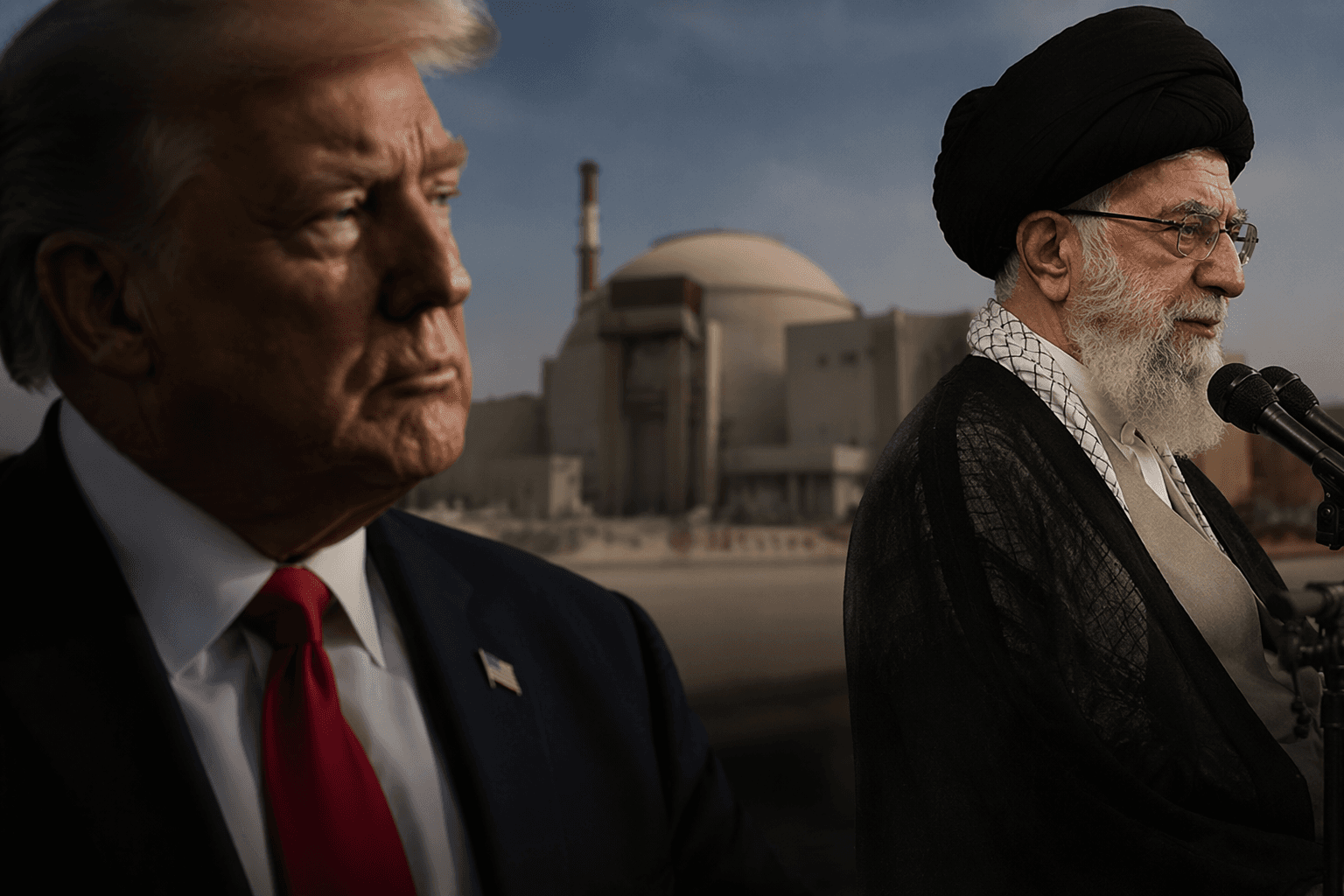
The political contrast is just as stark as the legal one. Obama’s deal drew Republican criticism as too conciliatory, while Trump has argued that his version is better than Obama’s. Congress is already showing mixed reactions, with skepticism and scrutiny building on Capitol Hill as lawmakers assess whether the interim framework can produce a durable agreement. The central question is who gains leverage during the waiting period: Iran appears to win immediate relief and access to funds, while Washington gets a pause in hostilities and a negotiating window without yet locking in the full verification structure that defined the JCPOA.
Uncertainty also hangs over the regional side of the arrangement. Reporting ties the deal to ending hostilities and reopening the Strait of Hormuz, and there is still no clarity on whether Israel will honor the agreement or whether the ceasefire can survive long enough for the technical talks to finish.
This article was produced by Prism’s automated news system from verified source data, official records, and press releases, then run through automated quality and moderation checks before publishing. The system is built and supervised by the people who set the standards it runs under. Read our full AI policy.
Did this article answer your question?