Trump keeps tariffs on Mexico and Canada in USMCA overhaul talks
Washington reopened USMCA talks while keeping tariffs on Mexico and Canada, signaling a harder line on autos, steel and supply chains.

The Trump administration moved to overhaul the North American trade deal while keeping tariffs in place on imports from Mexico and Canada, a stance that sharpened the split between tariff pressure and free-trade language inside the same bloc. U.S. Trade Representative Jamieson Greer said in Washington that the administration did not view the USMCA as a tariff-free pact and that the U.S. was going to have tariffs as long as it carried a large trade deficit.
Greer said the United States had “significant” trade issues with Canada, even as U.S. and Mexican negotiators prepared for formal talks in Mexico City. Canada was left out of the first bilateral round, an early sign that the negotiations were not starting as a broad three-country reset but as a narrower push aimed first at Mexico. The administration’s approach pointed to a more confrontational phase in North American trade relations, with tariffs kept in place even as the pact that governs nearly all regional commerce was reopened.
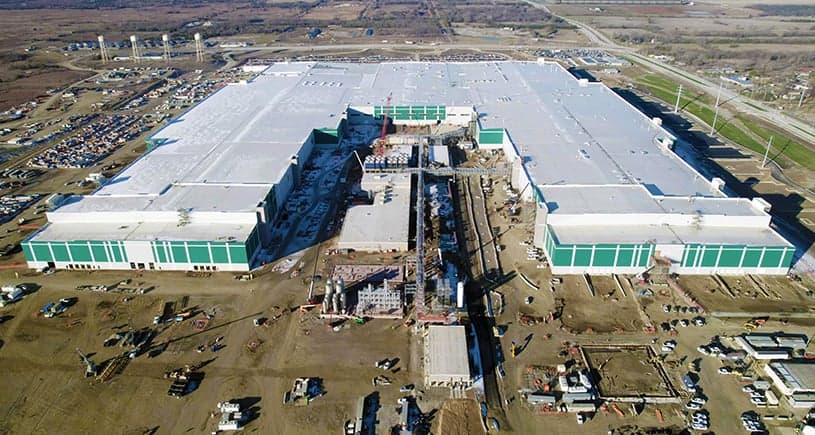
The pressure is likely to land first in autos and steel, where the administration wants more U.S. content in regional production. Greer said Washington wanted to revisit rules of origin so that more goods sold under preferential treatment were actually sourced from North America. He also argued that if regional partners raised tariffs on imports from outside the continent, it might become easier to protect trade inside the hemisphere. That line of thinking suggested the administration was trying to use tariff leverage to force supply chains to localize more deeply within North America.
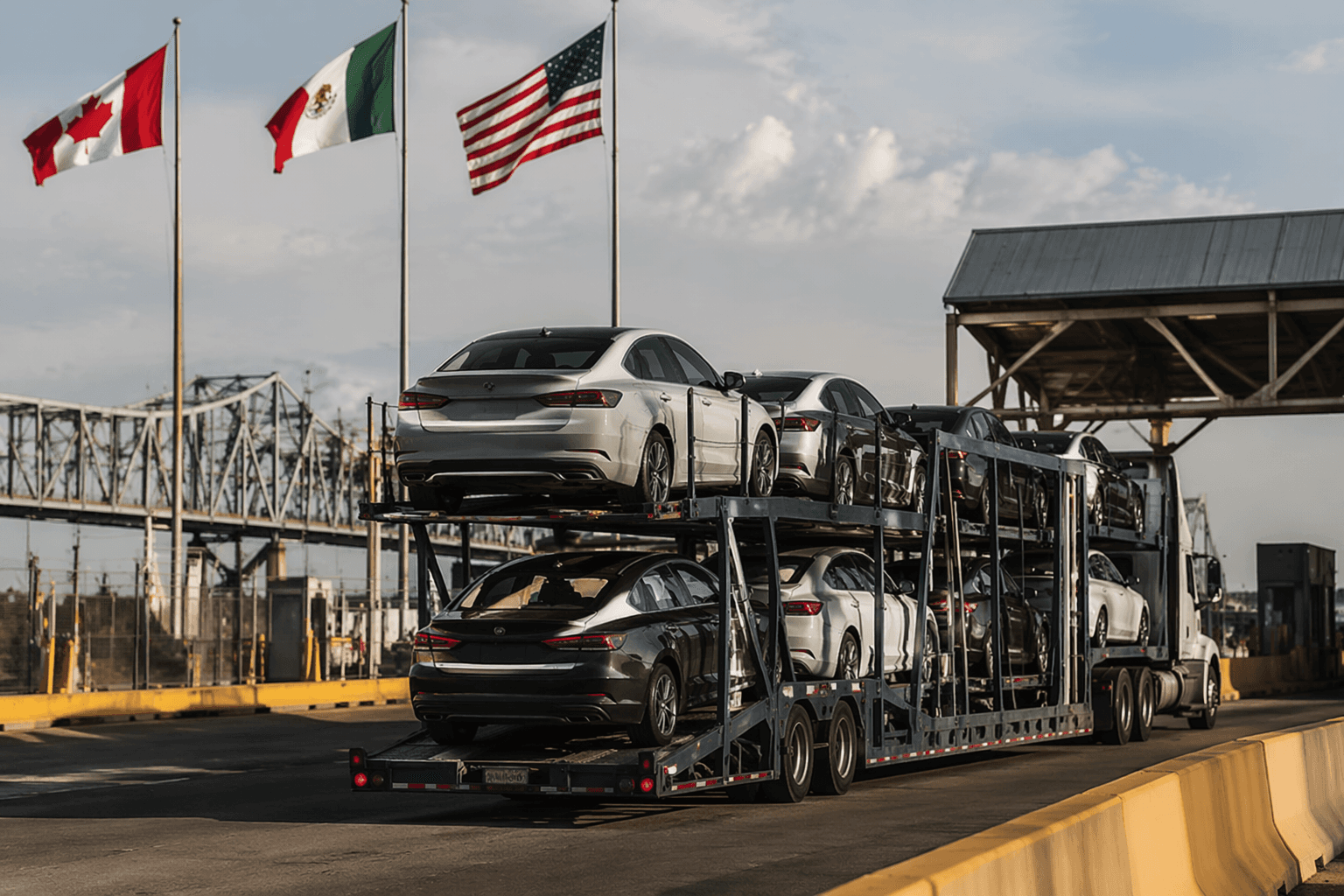
The trade numbers help explain the political case. The U.S. goods trade deficit narrowed by more than 30% last year, but the deficit with Mexico still rose by nearly 15% to $196.9 billion. That imbalance sat at the center of Washington’s claim that the current system had not done enough to support U.S. manufacturing and national security. For exporters, automakers and steelmakers, the message was clear: the overhaul of USMCA was not aimed at removing friction, but at deciding which parts of that friction would become permanent.
This article was produced by Prism’s automated news system from verified source data, official records, and press releases, then run through automated quality and moderation checks before publishing. The system is built and supervised by the people who set the standards it runs under. Read our full AI policy.
Did this article answer your question?