Trump Labor Shakeup Puts Apprenticeship and Manufacturing Agenda at Risk
Lori Chavez-DeRemer’s exit leaves Keith Sonderling to steer Trump’s one-million-apprentice push as an inspector general probe still shadows Labor.
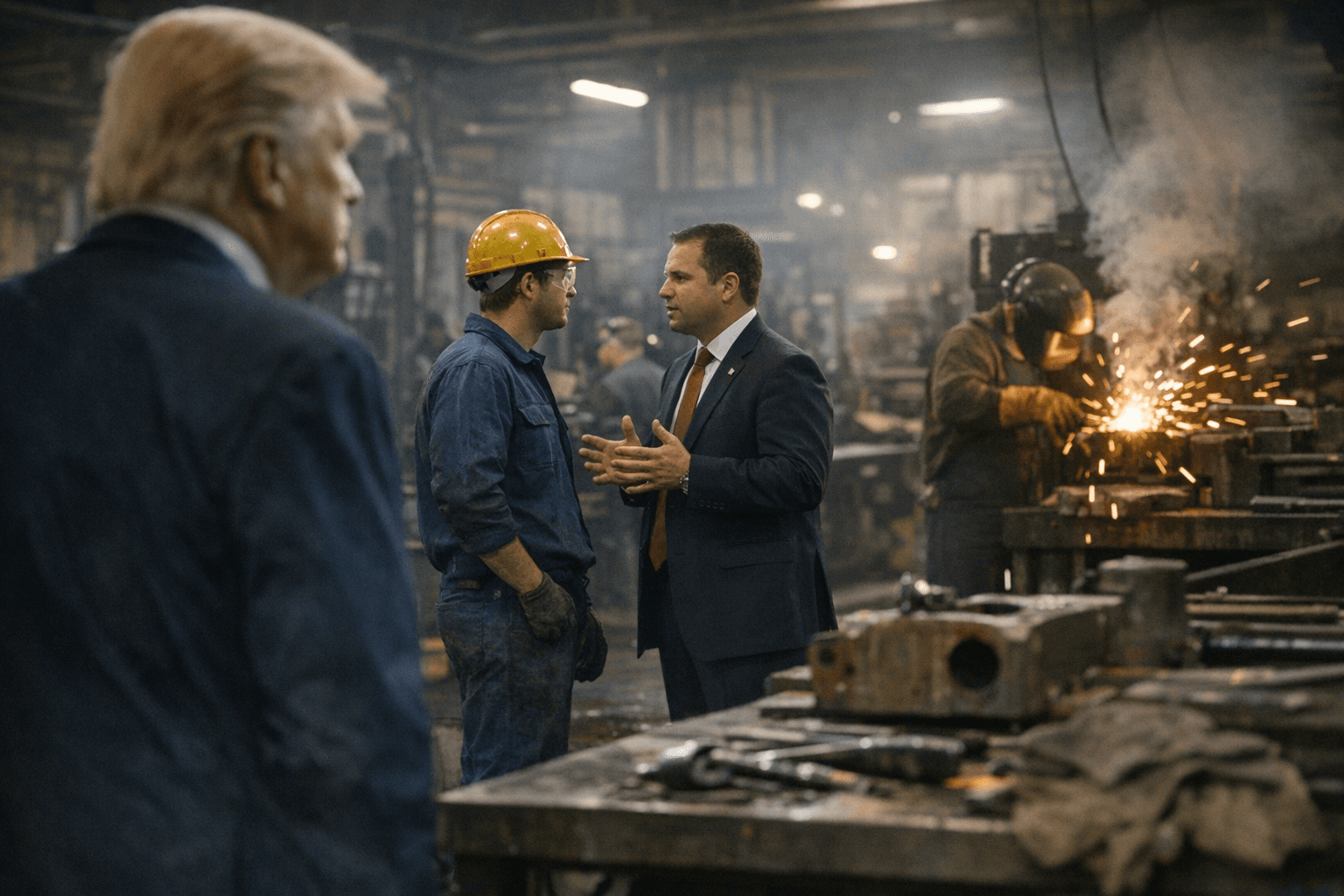
Lori Chavez-DeRemer’s resignation leaves President Donald Trump’s apprenticeship and manufacturing ambitions exposed to the same Labor Department turmoil that has already slowed the agency’s work. The White House said Chavez-DeRemer is leaving for a private-sector position, and Keith Sonderling, the deputy labor secretary, will serve as acting secretary.
Her departure on April 20 makes her the third Cabinet member to leave during Trump’s second term, according to NBC News, and it comes after an inspector general probe tied to alleged misconduct prompted multiple top aides to be placed on administrative leave and later leave their posts. That combination of staffing losses and internal scrutiny has raised a harder question inside the administration: whether Labor’s instability has been the main obstacle to the workforce agenda or simply a symptom of deeper disagreements over how fast to push it.
The stakes are clear in Trump’s April 23, 2025 executive order on apprenticeships and workforce development. The directive called on the Labor Department, the Commerce Department and the Education Department to submit a plan within 120 days to reach and surpass 1 million new active apprentices. It also ordered a broader federal workforce review within 90 days, aimed at reducing reporting burdens, expanding pathways beyond four-year degrees and improving data collection. Those goals put the Labor Department at the center of Trump’s effort to turn training policy into a visible labor-market success.
The department’s apprenticeship dashboard, now updated through March 18, 2026, shows the program remains an active priority even as leadership changes at the top. That matters because Trump has tied apprenticeships to a broader manufacturing message, arguing that workforce training should help fill jobs in reshoring and re-industrialization. During his first term, Trump said he wanted apprenticeship programs in every high school, a line that has remained central to his pitch for domestic production and industrial renewal.
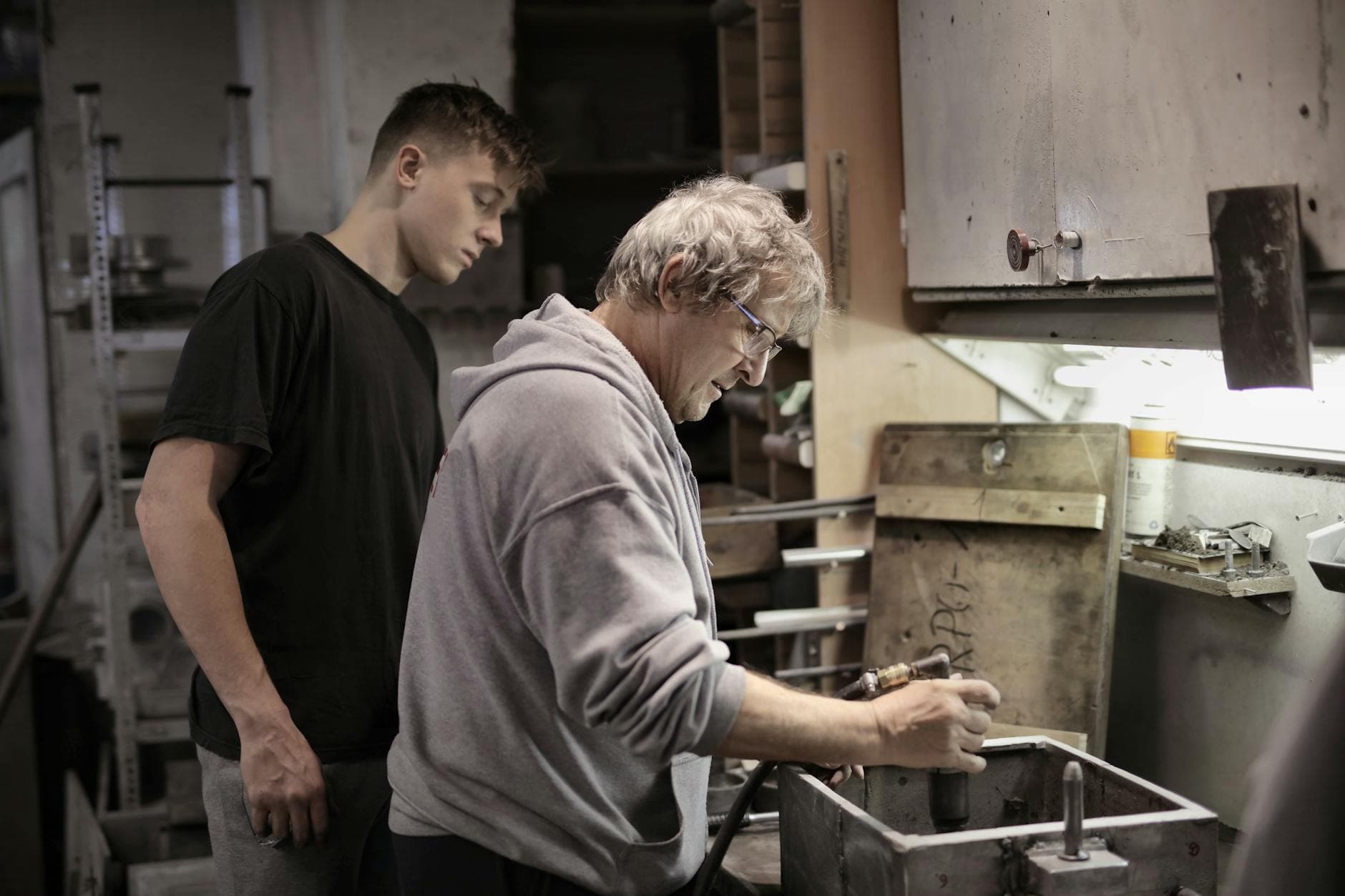
The latest labor data give the White House some room to claim momentum, but not much margin for error. The Bureau of Labor Statistics reported that total nonfarm payroll employment rose by 178,000 in March 2026, while the unemployment rate held at 4.3 percent and 7.2 million people were unemployed. Those numbers show a labor market that is still adding jobs, but the administration’s case for apprenticeships depends on whether it can convert broad employment gains into manufacturing hiring and durable training pipelines.
Sonderling now inherits the day-to-day authority to keep that effort moving. Whether he can translate Trump’s order into actual apprentices, cleaner rulemaking and a steadier workforce message will help determine whether Chavez-DeRemer’s exit was a temporary disruption or the clearest sign yet that the Labor agenda is struggling under its own contradictions.
This article was produced by Prism’s automated news system from verified source data, official records, and press releases, then run through automated quality and moderation checks before publishing. The system is built and supervised by the people who set the standards it runs under. Read our full AI policy.
Did this article answer your question?

