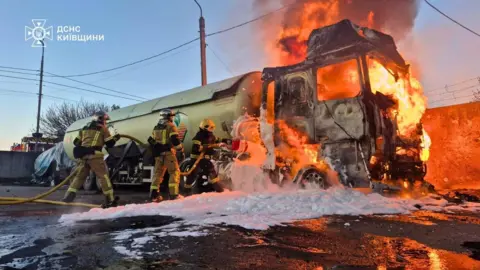
Trump launches Project Freedom to guide ships through Strait of Hormuz
Trump’s promised escort mission in Hormuz collided with vague official details and an Iranian warning that U.S. forces would be attacked if they entered the strait.
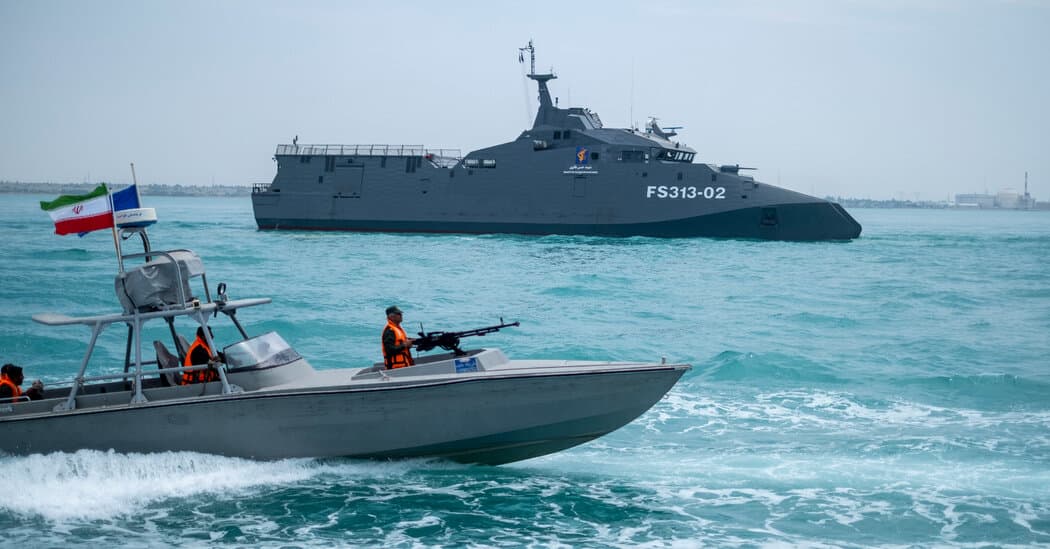
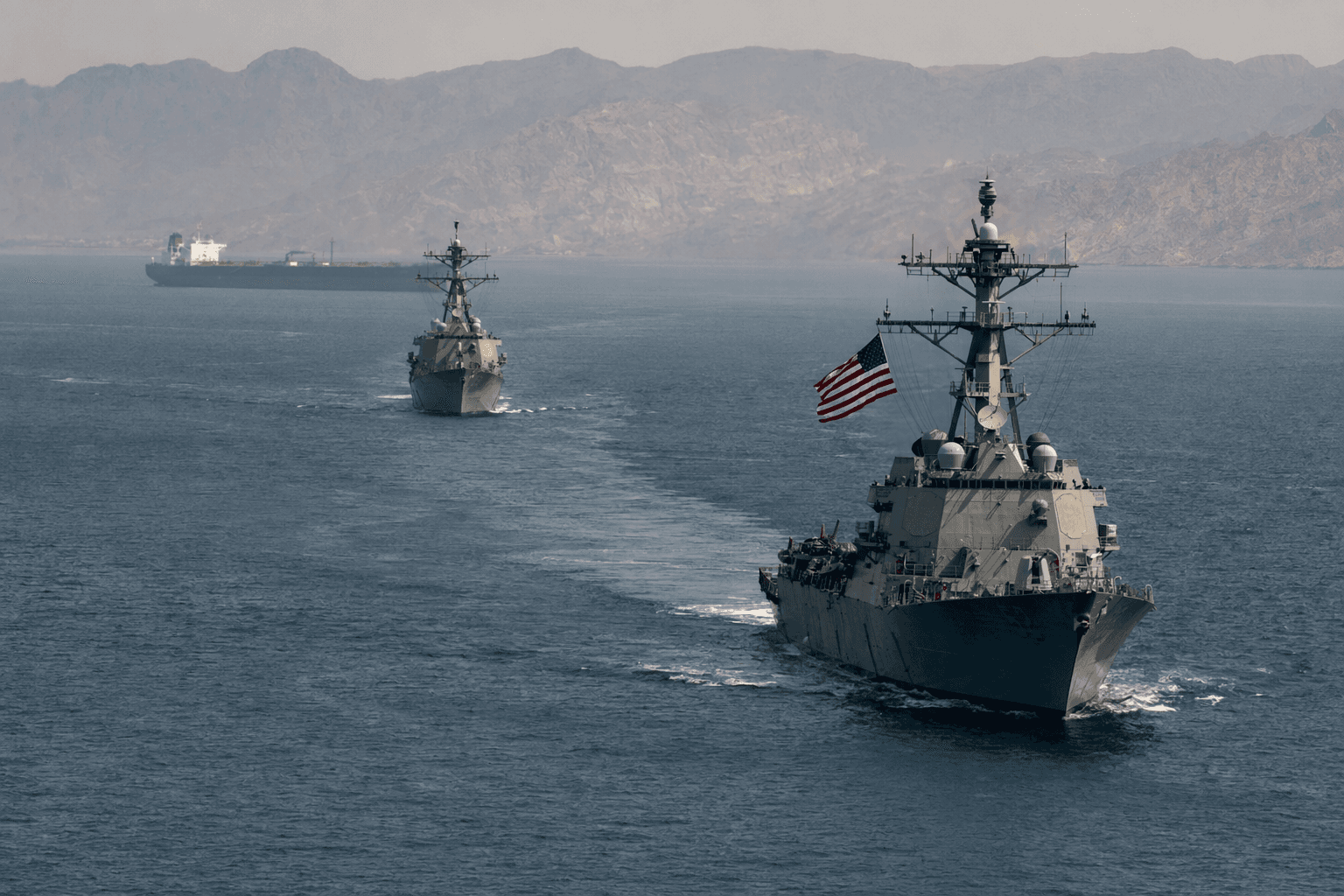
The first problem with “Project Freedom” is that President Donald Trump described a humanitarian escort, but the military quickly sketched something much larger. Trump said the United States would begin on Monday morning to “guide” stranded ships out of the Strait of Hormuz, calling the effort “Project Freedom” and framing it as help for “neutral and innocent” countries. U.S. Central Command later said the support package would include guided-missile destroyers, more than 100 land- and sea-based aircraft, multi-domain unmanned platforms and 15,000 service members, while also saying two U.S.-flagged merchant vessels had already transited safely as a first step.
That gap matters because no one in global shipping wants to guess whether the operation is a narrow convoy, a sustained naval presence or the beginning of a wider confrontation. About 20,000 seafarers and hundreds of vessels could be affected, many of them on oil and gas tankers or cargo ships that have been stuck in the Persian Gulf since the war began on Feb. 28, when the United States and Israel launched the conflict that has effectively closed the waterway. A cargo ship near the strait reported an attack by multiple small craft on Sunday, underscoring how quickly a security mission can turn into a live fire incident.
The Strait of Hormuz sits at the center of the world’s energy system. UN Trade and Development says it carries around a quarter of global seaborne oil trade, along with significant volumes of liquefied natural gas and fertilizers. The U.S. Energy Information Administration says about 20 million barrels per day flowed through the strait in 2024, equal to about one-fifth of global petroleum liquids consumption. Even a partial reopening would matter for tanker rates, insurance costs and regional supply chains; any fresh disruption would keep pressure on oil prices and deepen anxiety across fuel markets.
Iran has answered the U.S. move with a direct threat. Iranian officials warned U.S. forces not to enter the strait and said any foreign armed forces, especially the United States, would be attacked if they approached. They also said commercial ships and oil tankers should coordinate movements with Iran’s military. That warning turns the operation into a test of American resolve as much as maritime security, with the risk that an escort mission meant to restore traffic could instead pull U.S. forces deeper into the confrontation with Iran.
Even before the latest announcement, transits had fallen to the lowest levels since the early days of the wider conflict, and crews have described watching drones and missiles explode over the water while supplies ran short. Trump’s promise to keep ships moving may reassure some operators, but the scale of the military response and Iran’s threat make clear that the Strait of Hormuz remains one of the most dangerous chokepoints in the world.
Know something we missed? Have a correction or additional information?
Submit a Tip