Hegseth says Iran ceasefire holds after strikes on UAE, ships in Hormuz
Hegseth said the Iran ceasefire still held even after missile fire on the UAE and clashes in Hormuz, raising the stakes for shipping and oil flows.
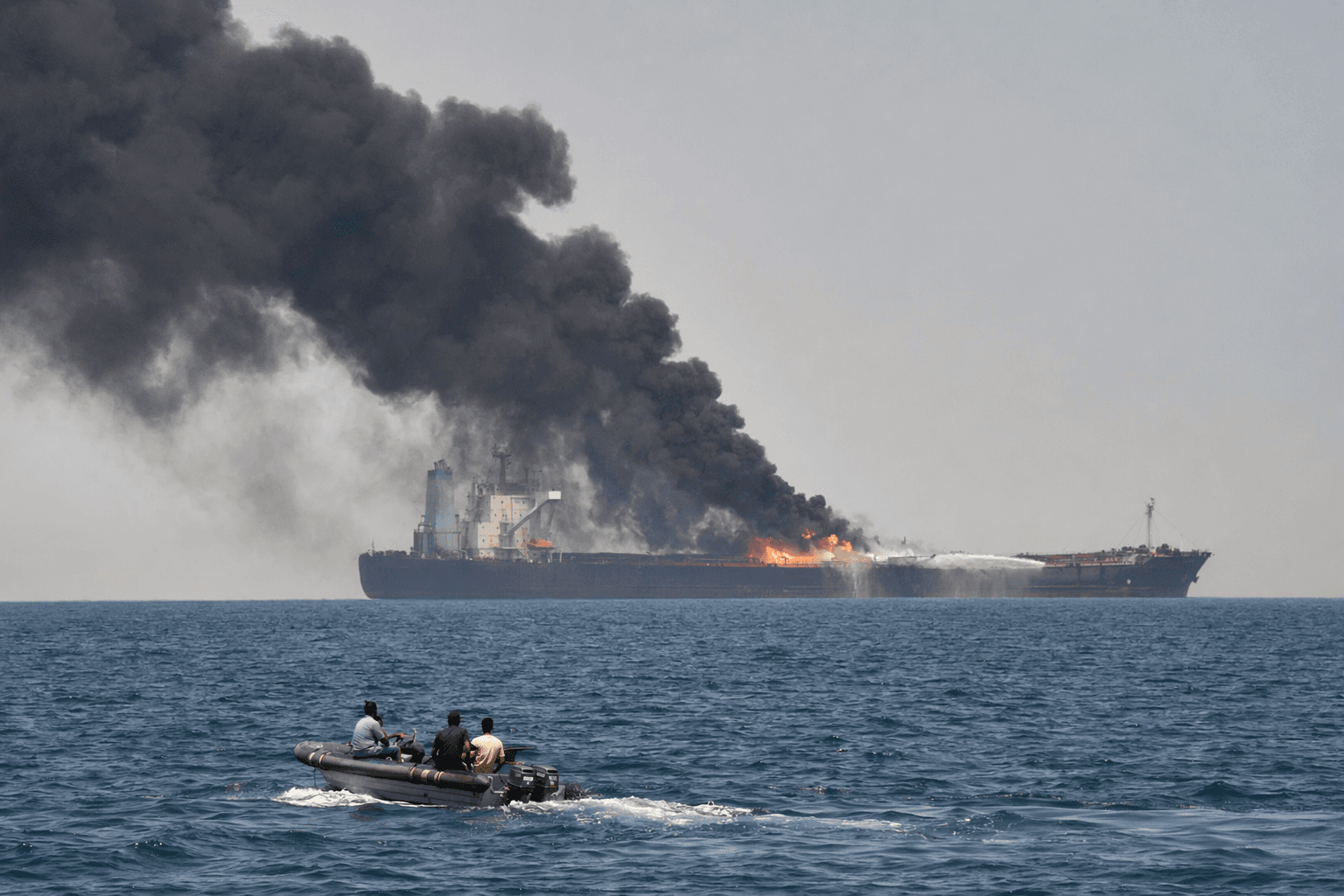
Washington is insisting the Iran ceasefire is still intact even after Iranian missiles and drones hit the United Arab Emirates and U.S. forces clashed with small Iranian boats in the Strait of Hormuz, a narrow waterway that carries about 20 million barrels of oil and fuel each day.
Defense Secretary Pete Hegseth said the ceasefire remained in place as the Pentagon moved to protect commercial traffic through the strait under a separate maritime mission called Project Freedom. U.S. officials said two American-flagged merchant ships crossed the Strait of Hormuz under escort, and Maersk said its U.S.-flagged vessel Alliance Fairfax also passed through under U.S. military protection. During the operation, U.S. forces sank six small Iranian boats, according to U.S. and military officials.
The latest exchange put immediate pressure on the Gulf’s shipping lanes and on the credibility of American deterrence. The United Arab Emirates said it intercepted 15 incoming projectiles, including 12 ballistic missiles, three cruise missiles and four drones. A drone attack also caused a fire at the Fujairah Oil Industry Zone, a reminder that even when missiles miss their marks, energy infrastructure remains exposed. The UAE later said it reserved the right to respond.
The Strait of Hormuz is the world’s most important oil chokepoint. The International Energy Agency said an average of 20 million barrels per day of crude oil and oil products moved through it in 2025, while the U.S. Energy Information Administration said the same flow in 2024 accounted for about 20% of global petroleum liquids consumption. That makes every escort operation, every intercepted drone and every insurance decision by shippers and cargo owners a market event, not just a military one.
The U.S. military is now coordinating with hundreds more ships, their owners and insurers as it tries to convince commercial traffic to keep moving. At the same time, the United States and Gulf Arab nations are drafting a U.N. Security Council resolution to condemn Iran’s blockade of the strait, with the proposal threatening sanctions or other measures if Tehran does not restore freedom of navigation and disclose mine placements.
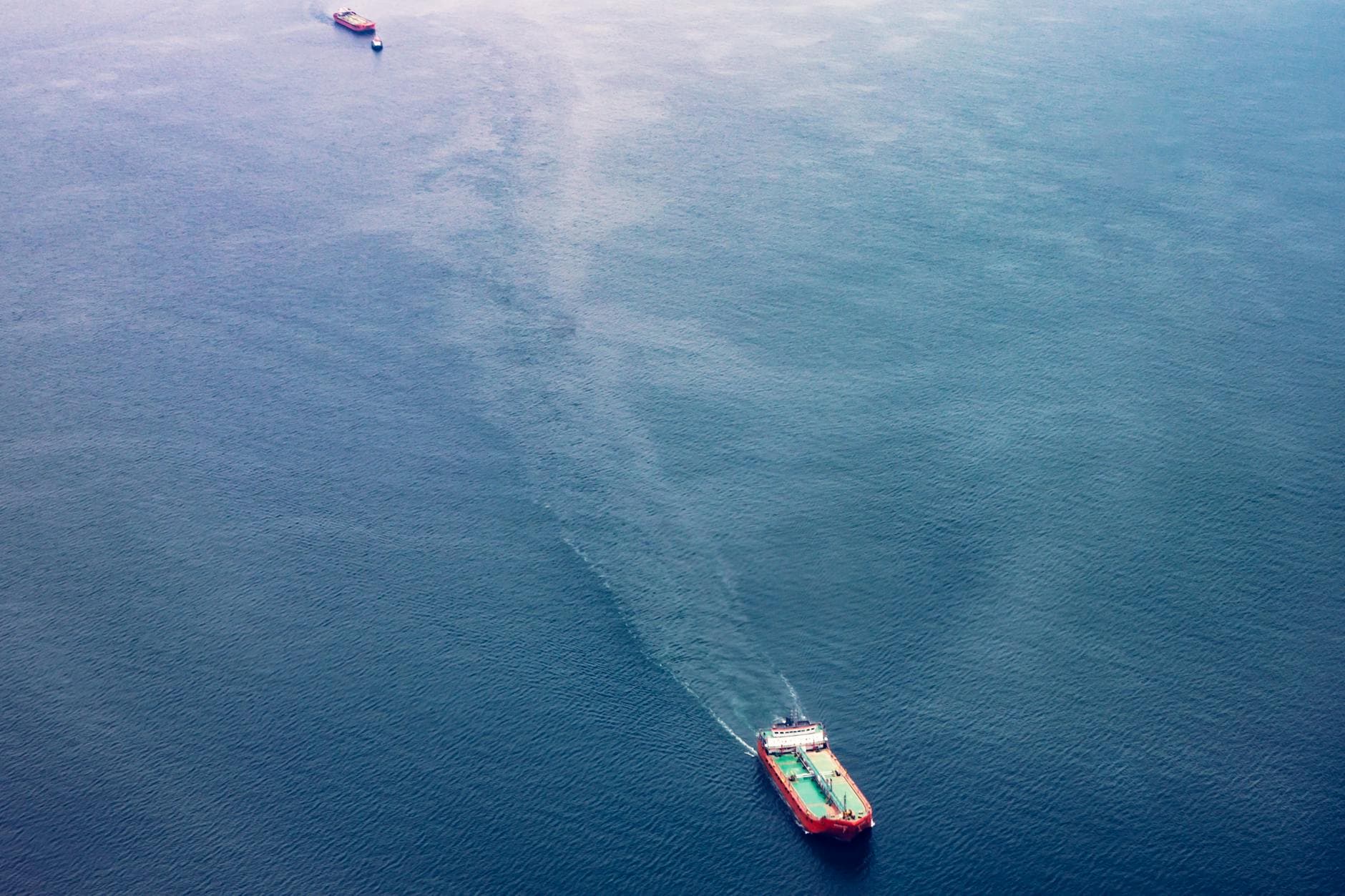
NBC News said the military has concluded that Iran has attacked commercial vessels multiple times and seized ships since the ceasefire, underscoring how fragile the truce remains. For oil markets, shipping firms and Gulf partners, the question is no longer whether the ceasefire was announced, but whether it can survive when missiles, mines and maritime escorts are still defining the rules of the Gulf.
This article was produced by Prism’s automated news system from verified source data, official records, and press releases, then run through automated quality and moderation checks before publishing. The system is built and supervised by the people who set the standards it runs under. Read our full AI policy.
Did this article answer your question?


