G7 weighs permanent secretariat to coordinate critical minerals beyond rotating presidencies
G7 governments are weighing a permanent minerals secretariat to keep rare-earth coordination alive and blunt China's grip on EV, defense and chip supply chains.
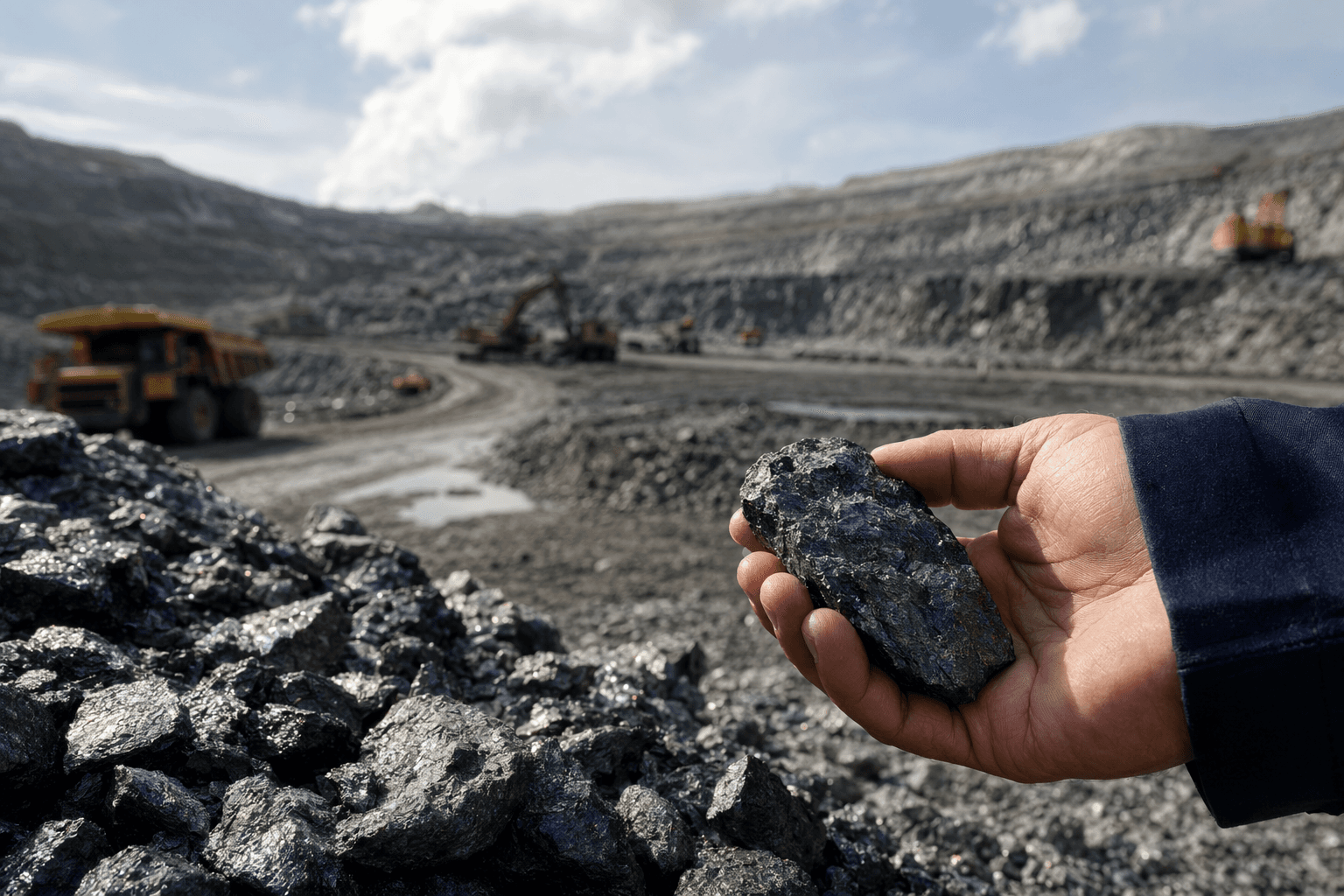
A permanent G7 unit for critical minerals would be more than an administrative fix. It would be an attempt to build steady, year-round coordination around the lithium, cobalt and rare-earth supplies that feed electric vehicles, batteries, defense systems and semiconductors, and to reduce the bloc’s dependence on China, which dominates production.
Five sources familiar with the talks said the Group of Seven was discussing a standing secretariat to carry mineral-security work beyond the bloc’s rotating presidencies, which have often produced plans but not the durable machinery needed to expand supply. The idea comes as France holds the G7 presidency and prepares an online ministerial meeting and a leaders’ summit in Evian in mid-June. French Finance Minister Roland Lescure said the gathering was meant to discuss how to “break China’s stranglehold on critical materials.”
The proposal is still open-ended. The sources said the secretariat could be housed at the International Energy Agency or the OECD, both in Paris, but no decision had been made and no timetable was set. A shared stockpile also came up in the talks, although two sources said European governments rejected a single centralized reserve, preferring to control their own supplies in a crisis. That caution also reflected concern about leaving the United States in charge of the project, with some governments worried access could be restricted if geopolitics worsened. France, Italy and Germany have already been working on an EU pilot stockpile project, while the United States and the European Union have already agreed to deepen coordination on strategic materials.
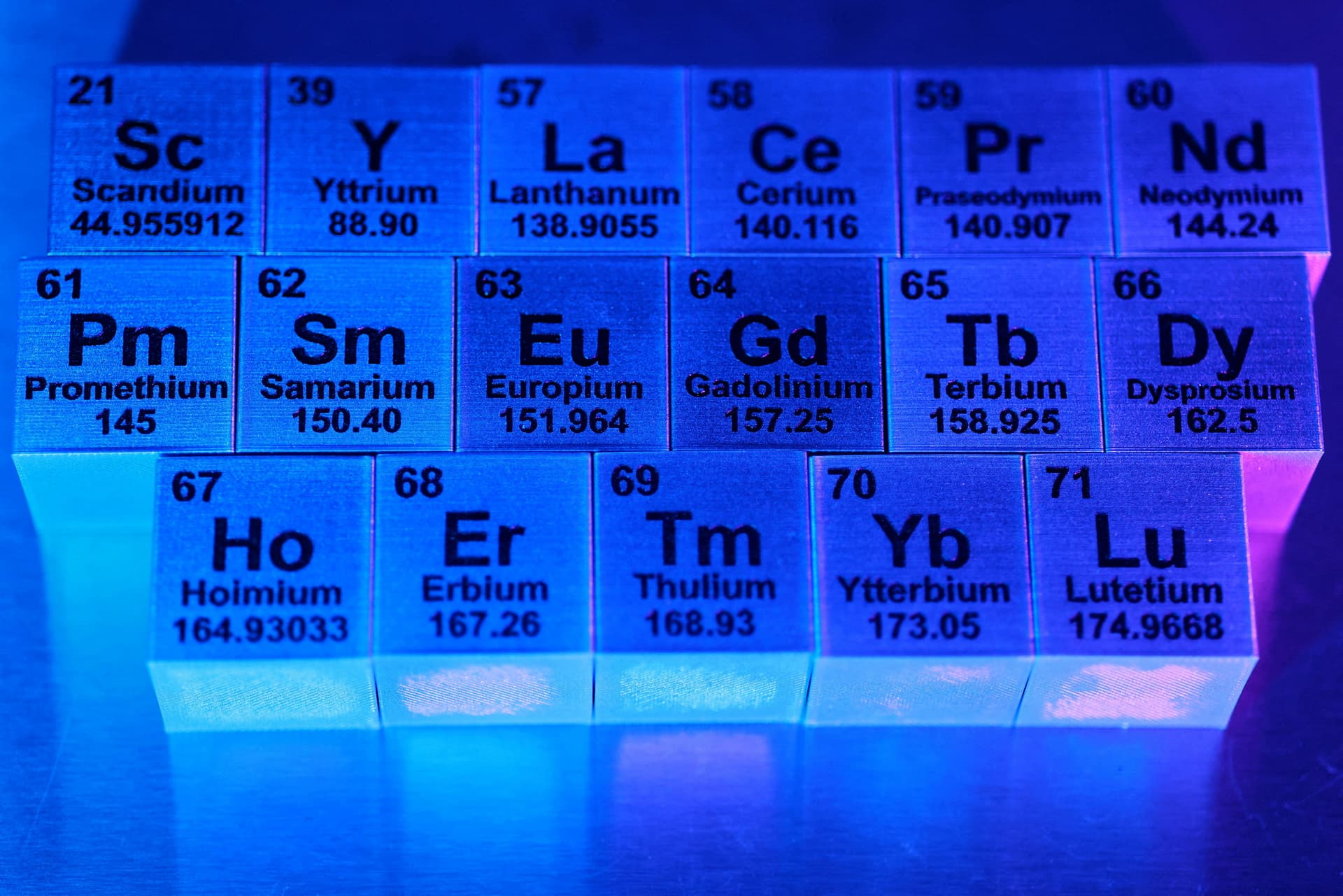
The push marks a sharper turn from one-off announcements toward permanent crisis planning. At the G7 summit in Kananaskis on June 17, 2025, leaders adopted a Critical Minerals Action Plan that warned non-market policies and practices threatened access to critical minerals, including rare earth elements used in magnets, and pledged to anticipate shortages, coordinate responses to deliberate market disruption and diversify mining, processing, manufacturing and recycling. That plan built on Japan’s Five-Point Plan for Critical Minerals Security from the 2023 G7 presidency.

The International Energy Agency has become a central forum in that effort. Its Critical Minerals Security Programme was first established at the 2022 ministerial, and on February 19, 2026, ministers elevated it as a key international platform, directing the agency to help prepare for supply disruptions, including export restrictions, and to guide stockpiling systems. Fatih Birol has compared the challenge to the 1973 oil shock. The agency held a table-top exercise on rare earth elements in November 2025, and its 2025 Global Critical Minerals Outlook said price volatility, bottlenecks and geopolitical risks had made copper, lithium, nickel, cobalt, graphite and rare earths a major policy focus. On February 4, 2026, the U.S. State Department said 54 countries and the European Commission attended its Critical Minerals Ministerial, a sign of how wide the scramble for mineral security has become.
This article was produced by Prism’s automated news system from verified source data, official records, and press releases, then run through automated quality and moderation checks before publishing. The system is built and supervised by the people who set the standards it runs under. Read our full AI policy.
Did this article answer your question?