U.S. escorts ships through Strait of Hormuz amid Iran war tensions
U.S. personnel were helping steer commercial ships through the Strait of Hormuz as Rubio cast the campaign against Iran as a preemptive effort to wipe out missiles and naval power.
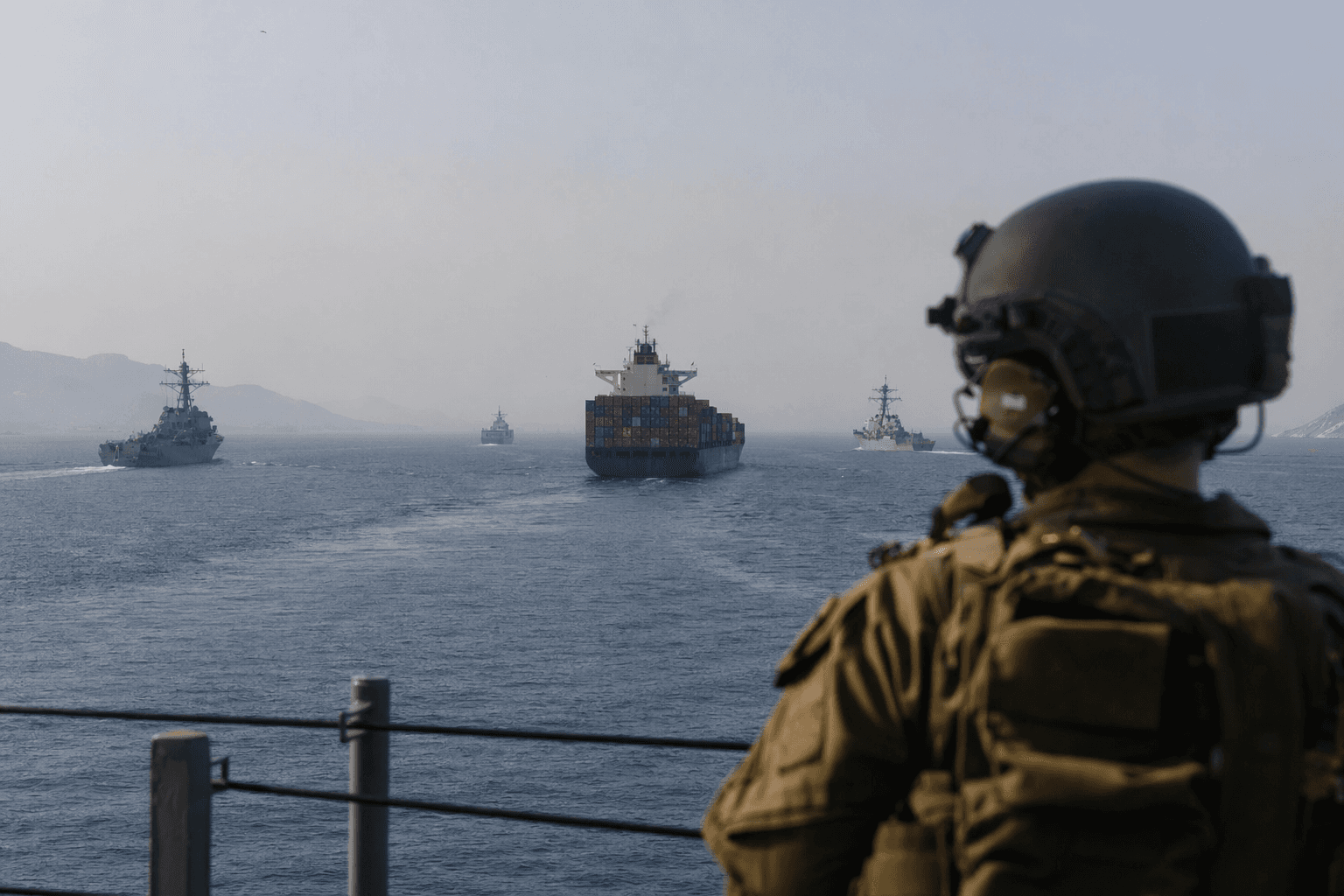
U.S. military personnel were helping commercial ships move through the Strait of Hormuz as the Iran war strained the world’s most important energy chokepoint and raised the risk of a wider confrontation in the Gulf region.
President Donald Trump ordered U.S. personnel to safely guide ships and crews from countries not involved in the war out of the strait, according to live updates from ABC News. The Associated Press said the United States was trying to move stranded vessels through the waterway as the fighting disrupted maritime traffic and left the ceasefire environment increasingly fragile. For shippers, insurers and energy markets, the immediate issue was no longer only the battle itself but whether traffic could keep moving through the narrow passage between the Gulf and the open ocean.
Marco Rubio’s recent remarks suggested the administration’s objectives extend beyond protecting shipping lanes. The secretary of state said the United States was conducting an operation to eliminate Iran’s short-range ballistic missile threat and target its navy, framing the move as preemptive. That language points to a broader military aim than a limited defensive escort mission. It also raises the escalation risk, because striking missile forces and naval assets could be read in Tehran as a direct attack on core state defenses rather than a temporary security measure.
Rubio also said about 9,000 Americans had left the Middle East since the war began on February 28, 2026, and about 1,500 more were seeking help to depart. He said the State Department had been working to assist departures and that messages and some direct talks with Iran were taking place through intermediaries. That combination of evacuation planning and back-channel communication suggests Washington is trying to keep diplomacy alive even as it expands military pressure.
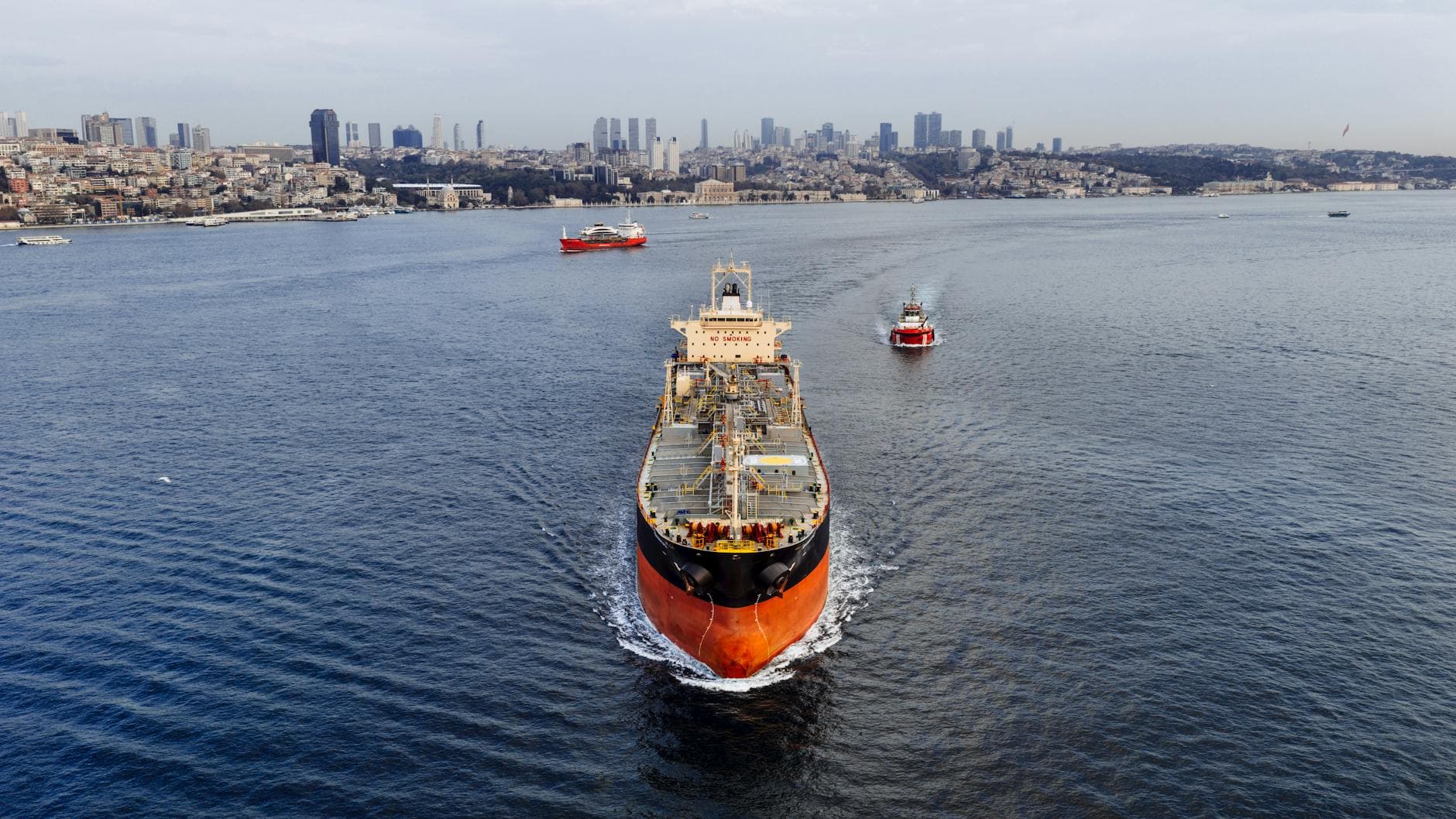
The Strait of Hormuz sits at the center of those competing goals. It is the key maritime chokepoint in the crisis, and the effort to keep ships moving through it shows how quickly the war has spread from battlefield strikes to global commerce. If the United States can keep the passage open while maintaining communication with Iran, it may still preserve room for a ceasefire or negotiated settlement. If not, the campaign risks deepening into a broader regional conflict with consequences far beyond the Gulf.
Know something we missed? Have a correction or additional information?
Submit a Tip