Trump administration weighs China travel curbs over migrant repatriation slowdowns
Washington is weighing visa sanctions on China as leverage over stalled repatriations. The move could hit travelers and sharpen a broader hardening in U.S.-China policy.
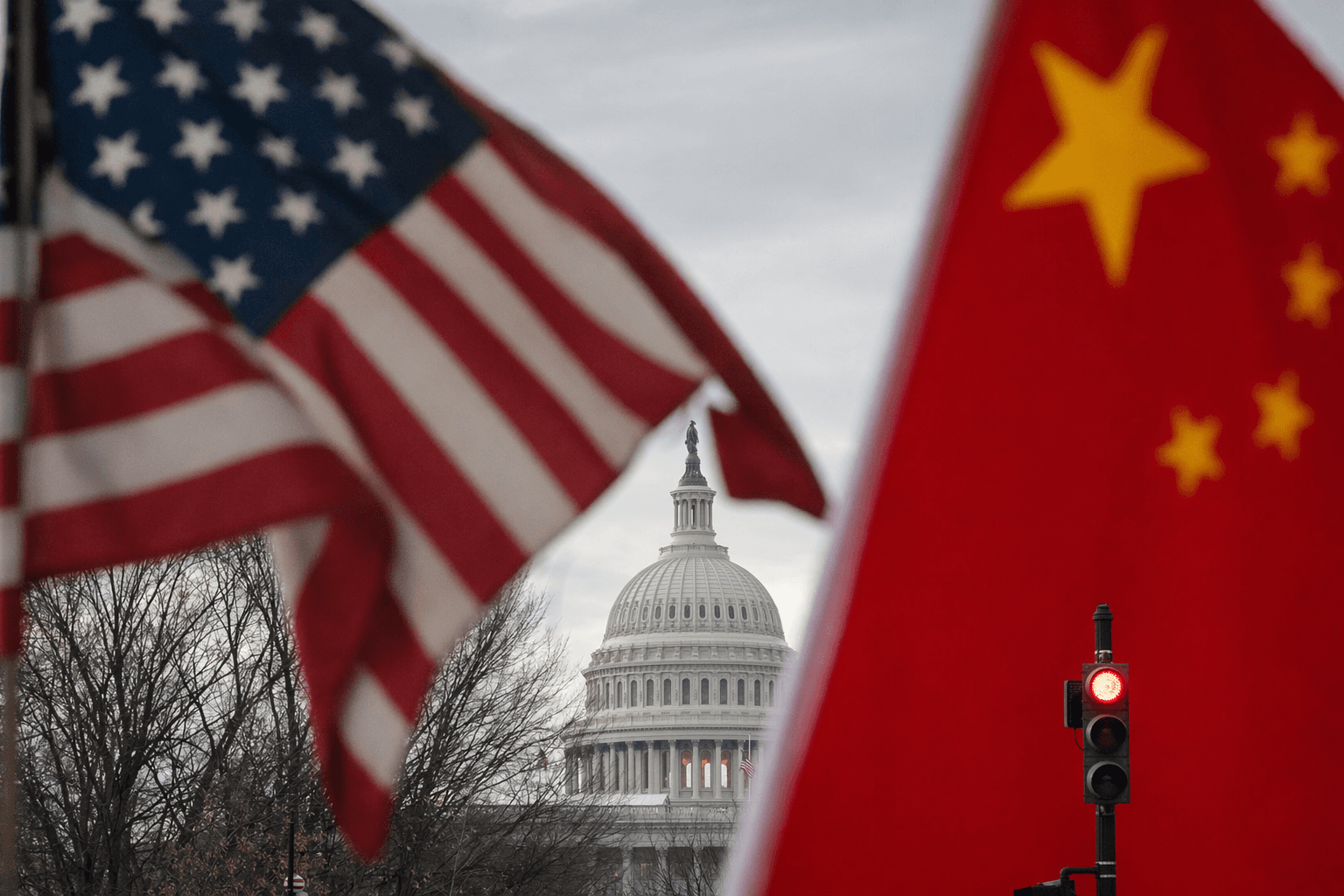
The Trump administration is preparing to tighten travel restrictions on China if Beijing does not speed up the repatriation of Chinese nationals living in the United States without legal status, a move that would turn immigration enforcement into fresh pressure in the U.S.-China relationship. A senior administration official said China was slowing efforts to take back its citizens, and the White House is considering visa sanctions or related limits on Chinese travel as the next step.
The timing is politically charged. Donald Trump is scheduled to visit Beijing on May 14 and May 15, where the repatriation dispute is expected to come up in meetings with Xi Jinping alongside trade and other strategic issues. That puts a law-and-order immigration fight directly into the center of high-level diplomacy, with Washington using access to the United States as leverage to force cooperation on returns and deportations.
For people caught in the middle, the consequences are concrete. The dispute affects Chinese nationals who have final orders of removal and remain in the United States while their home government delays accepting them. U.S. Immigration and Customs Enforcement says delayed acceptance complicates removals and can force the agency to release some people when removal is not reasonably foreseeable. For families, detention cases and local communities, that means months or years of uncertainty while diplomatic stalemate plays out far above the individual case level.
The administration is not inventing a new tool so much as reviving one already embedded in U.S. policy. ICE says visa sanctions can be used when countries deny or delay accepting their nationals, and the State Department announced a visa restriction policy in 2024 targeting foreign government officials and others believed to be responsible for knowingly facilitating illegal immigration to the United States. The approach has become part of a broader pattern of using visa restrictions as foreign-policy leverage on migration enforcement.

China has already figured in that playbook. On January 27, 2025, China said it was willing to repatriate confirmed Chinese nationals from the United States, and ICE later said it returned 122 people to China on June 3, 2025, in a special high-risk charter flight. The agency also says its Air Operations unit runs charter and commercial repatriation flights and stages 12 aircraft in Arizona, Texas, Louisiana and Florida. In 2024, ICE said it conducted more than 495 international repatriation flights after June 5, and DHS said it completed more than 700,000 removals and returns in fiscal year 2024.
Seen together, the possible China curbs point to a broader hardening in U.S.-China policy that reaches beyond tariffs and security. If Washington follows through, migration enforcement will join the list of areas where the two governments are now using coercive leverage to test each other’s willingness to cooperate.
This article was produced by Prism’s automated news system from verified source data, official records, and press releases, then run through automated quality and moderation checks before publishing. The system is built and supervised by the people who set the standards it runs under. Read our full AI policy.
Did this article answer your question?