Trump ratchets up Iran sanctions as Hormuz standoff deepens
Sanctions are piling up on Iran’s oil and currency network, but Washington still has no fast way to force a deal as Hormuz shipping stays under threat.
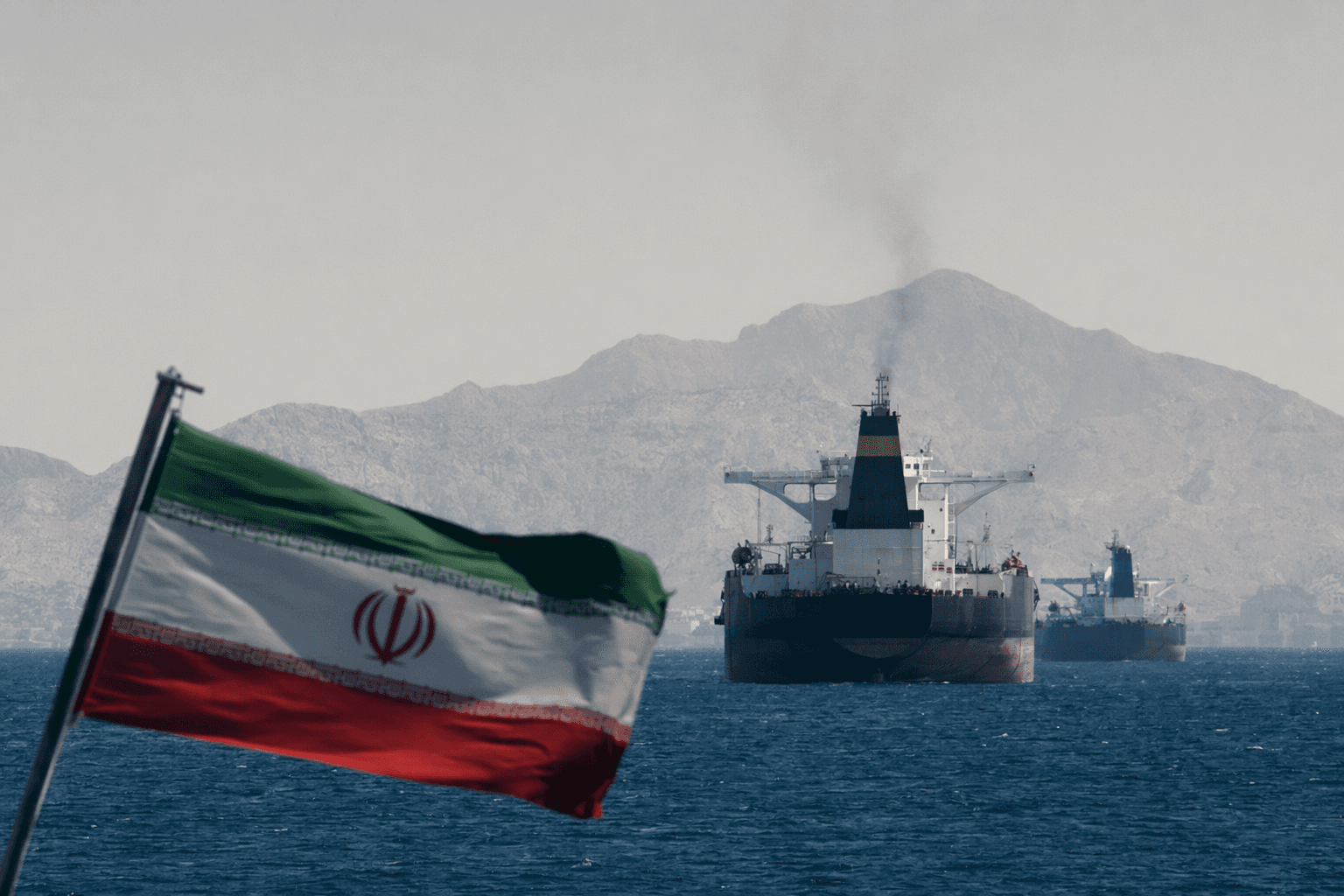
Washington is tightening the economic vise on Tehran, but the central problem is unchanged: sanctions can inflict pain, yet they have not produced a quick strategic off-ramp. The U.S. Treasury issued fresh penalties on April 28 and May 1 aimed at Iranian currency exchanges and oil trade, and the Office of Foreign Assets Control warned shipping firms on May 1 that they could face sanctions if they paid Iranian tolls to move through the Strait of Hormuz. That chokepoint normally carries about one-fifth of global oil and gas trade, which gives the standoff immediate reach far beyond Iran and the Gulf.
The Trump administration has also tried to keep noncombatant ships moving by organizing an effort to “guide” commercial traffic out of the strait. The Joint Maritime Information Center said usual transit routes should be treated as extremely hazardous because mines had not been fully surveyed and mitigated. The warnings underscored how the war that erupted on February 28, 2026, after U.S.-Israeli strikes on Iran, has not settled into a clean ceasefire even after fighting eased under a truce that began on April 7 or 8. Maritime disruption has continued, and the shipping risk has become a policy problem of its own.
Iran’s answer has been a 14-point proposal that would end the war within 30 days, lift sanctions, reopen the Strait of Hormuz and release frozen assets, while postponing nuclear talks until after a broader ceasefire arrangement. Washington has rejected that sequencing. Donald Trump said he was reviewing the offer, but also signaled doubt that it would be acceptable, while other officials said Iran had not “paid a big enough price.” The gap remains the same one that has blocked earlier diplomacy: Tehran wants security guarantees and an end to military pressure first, while Washington wants nuclear limits up front.
That deadlock is sharper because the nuclear file is tied to battlefield risk. The International Atomic Energy Agency said on June 19, 2025, that it was monitoring the consequences of attacks on Iranian nuclear sites, and later reporting said most of Iran’s highly enriched uranium was stored in an underground tunnel complex at Isfahan. In that environment, a sanctions squeeze can raise costs and signal resolve, but it cannot by itself deliver the kind of face-saving compromise Iran would need to make concessions. The result is a dangerous pause, not a resolution, with Europe and Asia exposed to any new shock in Gulf shipping.
This article was produced by Prism’s automated news system from verified source data, official records, and press releases, then run through automated quality and moderation checks before publishing. The system is built and supervised by the people who set the standards it runs under. Read our full AI policy.
Did this article answer your question?


