US plans to lift Eritrea sanctions amid Red Sea tensions
Washington was preparing to lift sanctions on Eritrea as Red Sea shipping lanes grew more strategic. The move signaled a sharper U.S. focus on maritime security and regional deterrence.
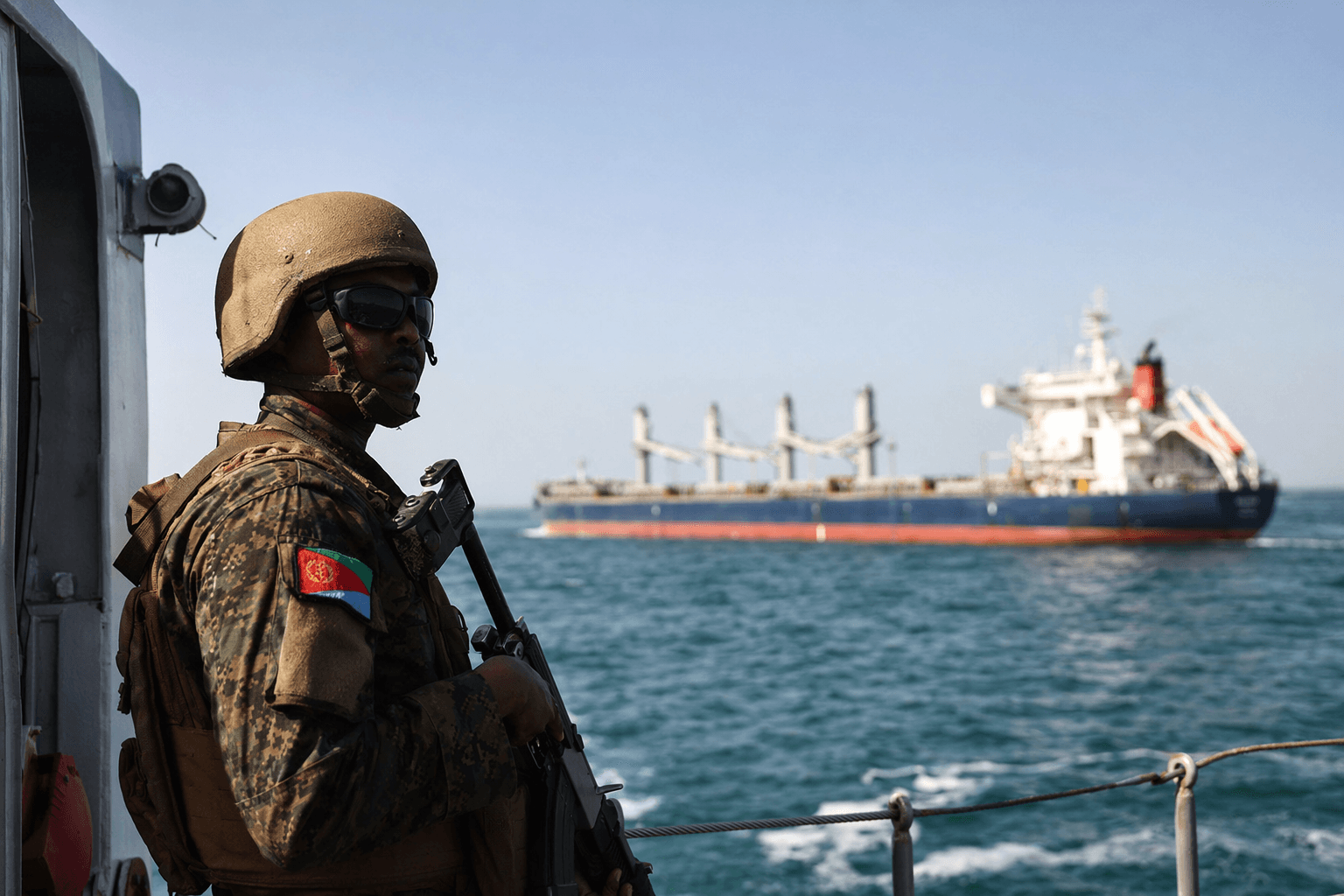
Washington was preparing to lift sanctions on Eritrea, a sharp turn shaped by the mounting strategic value of Red Sea shipping lanes and the fragile balance of power around the Horn of Africa. The shift came as trade between Asia and the Mediterranean remained under strain and policymakers sought to keep another regional crisis from spilling into a wider maritime security emergency.
The decision would mark a notable diplomatic reset after the Biden administration imposed sanctions in 2021 over Eritrean involvement in Ethiopia’s Tigray war. Eritrea, whose coastline faces Saudi Arabia across the Red Sea, has long been viewed in Washington as both a human-rights outlier and a military player with outsized leverage over nearby waters. Lifting sanctions now would signal that U.S. officials are weighing access, deterrence and shipping security more heavily than they did just a few years ago.
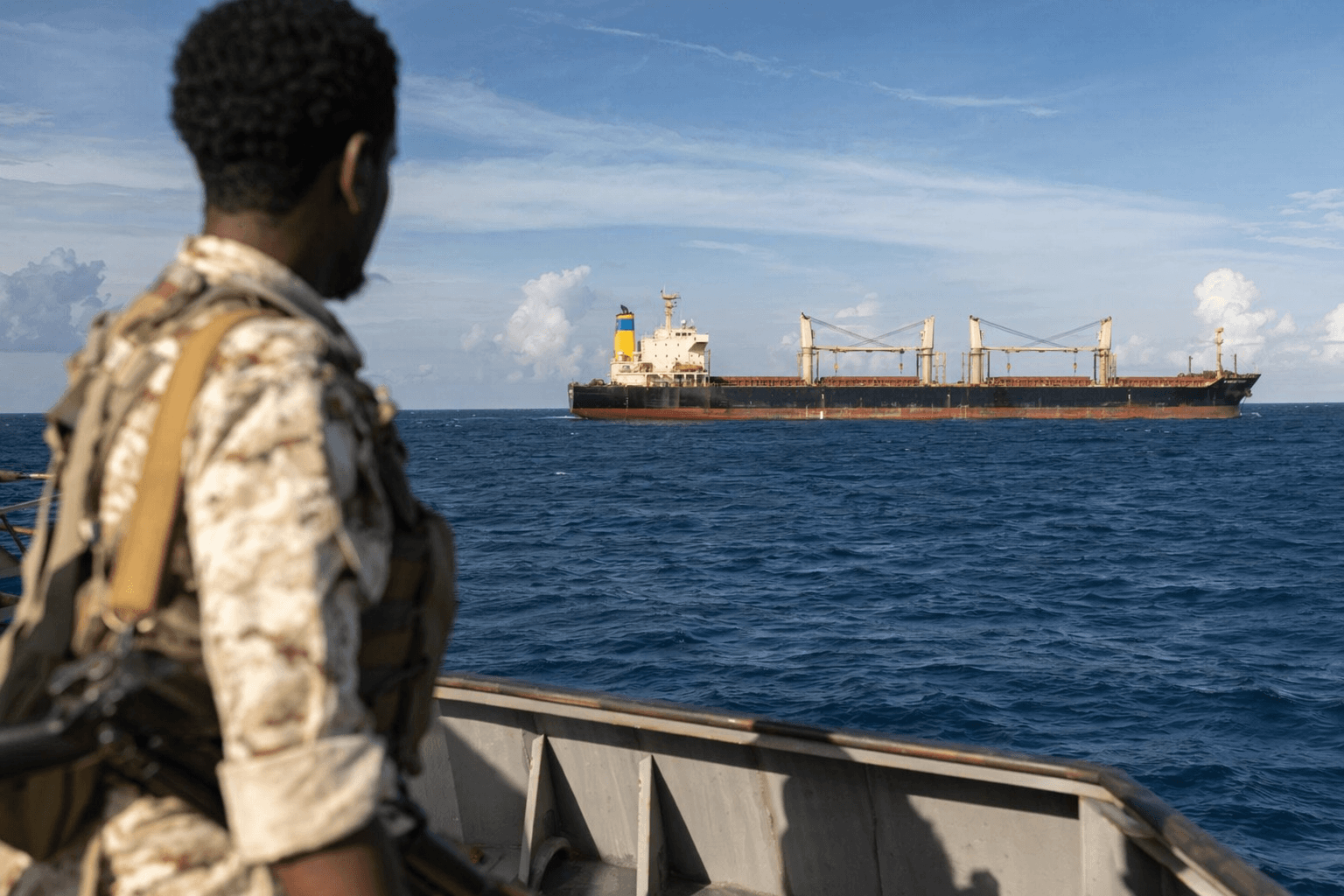
Analysts saw the move as an effort to improve ties with Asmara while also sending a message to Addis Ababa that Washington did not want another war between Ethiopia and Eritrea. That warning matters because the Horn of Africa is already absorbing pressure from multiple directions. Sudan remains at war, Somalia remains unstable, and the prospect of renewed fighting between Ethiopia and Eritrea continues to hang over the region.
The maritime backdrop is what gives the policy shift added force. The war with Iran and the closure of the Strait of Hormuz pushed attention toward other chokepoints, especially the Red Sea, where disruptions can ripple quickly through energy markets, container traffic and insurance costs. For Washington, that has made Eritrea less of a remote authoritarian problem and more of a state sitting astride one of the world’s most sensitive waterways.
That strategic lens also sharpens the tension with Eritrea’s domestic record. Freedom House ranks the country near the bottom globally, and Eritrea has not held a national election since independence in 1993. Any U.S. move to ease sanctions would therefore amount to a clear compromise, one that suggests the White House is willing to soften its human-rights posture in pursuit of a broader regional objective.
The underlying calculation is straightforward. If the Red Sea crisis deepens, the Horn of Africa could become even more tightly linked to global trade flows and military planning. Washington appears to be signaling that preventing instability along those routes now outweighs the costs of engaging one of the region’s most isolated governments.
This article was produced by Prism’s automated news system from verified source data, official records, and press releases, then run through automated quality and moderation checks before publishing. The system is built and supervised by the people who set the standards it runs under. Read our full AI policy.
Did this article answer your question?