US and allies plan backup e-commerce duty moratorium as WTO talks stall
The U.S. and allies were preparing a fallback deal to keep digital transmissions duty-free, after Brazil and Turkey helped block a WTO renewal.
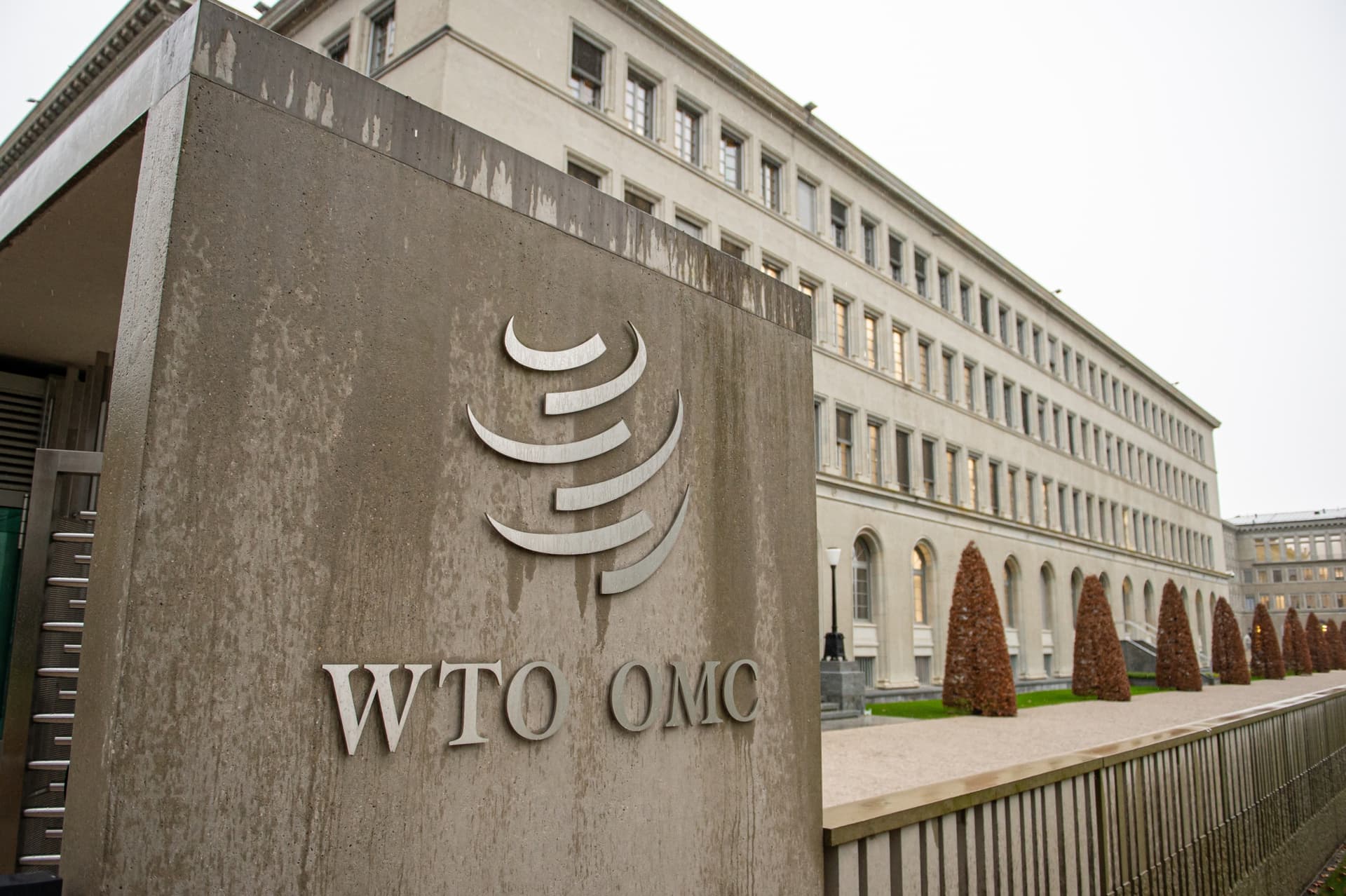
The United States and a bloc of trading partners were preparing to move ahead with their own moratorium on e-commerce duties, a sign that the fight over digital trade could spill beyond the World Trade Organization and into a club-based system built by countries that still want predictable rules.
A draft text dated May 1 laid out the backup plan: if Brazil and Turkey kept blocking an extension of the wider WTO moratorium, the U.S. and a subset of members would agree among themselves not to impose customs duties on electronic transmissions for an unspecified period. That would preserve the no-duty principle for digital flows even if consensus at the WTO continued to fail.
The stakes were sharpened when the WTO moratorium on customs duties for electronic transmissions expired on March 30, 2026, after the 14th Ministerial Conference in Yaounde, Cameroon, ended without agreement. The moratorium had been in force continuously since 1998, and WTO documents have described electronic commerce broadly as the production, distribution, marketing, sale or delivery of goods and services by electronic means.
For businesses, that covered the digital goods and services that increasingly move across borders without a box or a shipping label: software downloads, cloud services, video games, music and e-books. The policy had been a priority for the United States, the European Union, Canada and Japan because it gave companies more certainty over how global digital commerce would be taxed, or left untaxed.

The disagreement at Yaounde underscored a larger problem for the WTO, which has struggled to update global trade rules fast enough for a more digital economy. The United States had pushed for a renewal of at least five years, while Brazil reportedly wanted only a two-year extension through the next ministerial conference. Five diplomats said the chances of breaking the deadlock before the next WTO General Council meeting in Geneva looked slim.
The International Chamber of Commerce said 236 business organisations backed a statement calling for renewal of the moratorium and a time-bound WTO reform process. John W.H. Denton AO, the chamber’s secretary general, presented that appeal at the ministerial meeting, arguing that the digital economy needed clear rules rather than uncertainty. After the talks, WTO Director-General Ngozi Okonjo-Iweala said work on a broader Yaoundé Package would continue in Geneva.
If the United States and its allies do formalize their own pact, the practical effect would be immediate: holdouts could be left outside a parallel digital-trade framework while major economies keep electronic transmissions duty-free among themselves. That would protect consumers and firms from new charges on online goods and services in participating countries, but it would also weaken the WTO’s claim to set universal rules, normalizing workarounds when consensus breaks down.
This article was produced by Prism’s automated news system from verified source data, official records, and press releases, then run through automated quality and moderation checks before publishing. The system is built and supervised by the people who set the standards it runs under. Read our full AI policy.
Did this article answer your question?