Trump leaves Iran talks unresolved after Situation Room meeting
Trump left a two-hour Situation Room meeting without the “final determination” he had promised, as Iran ceasefire terms and uranium demands remained unresolved.
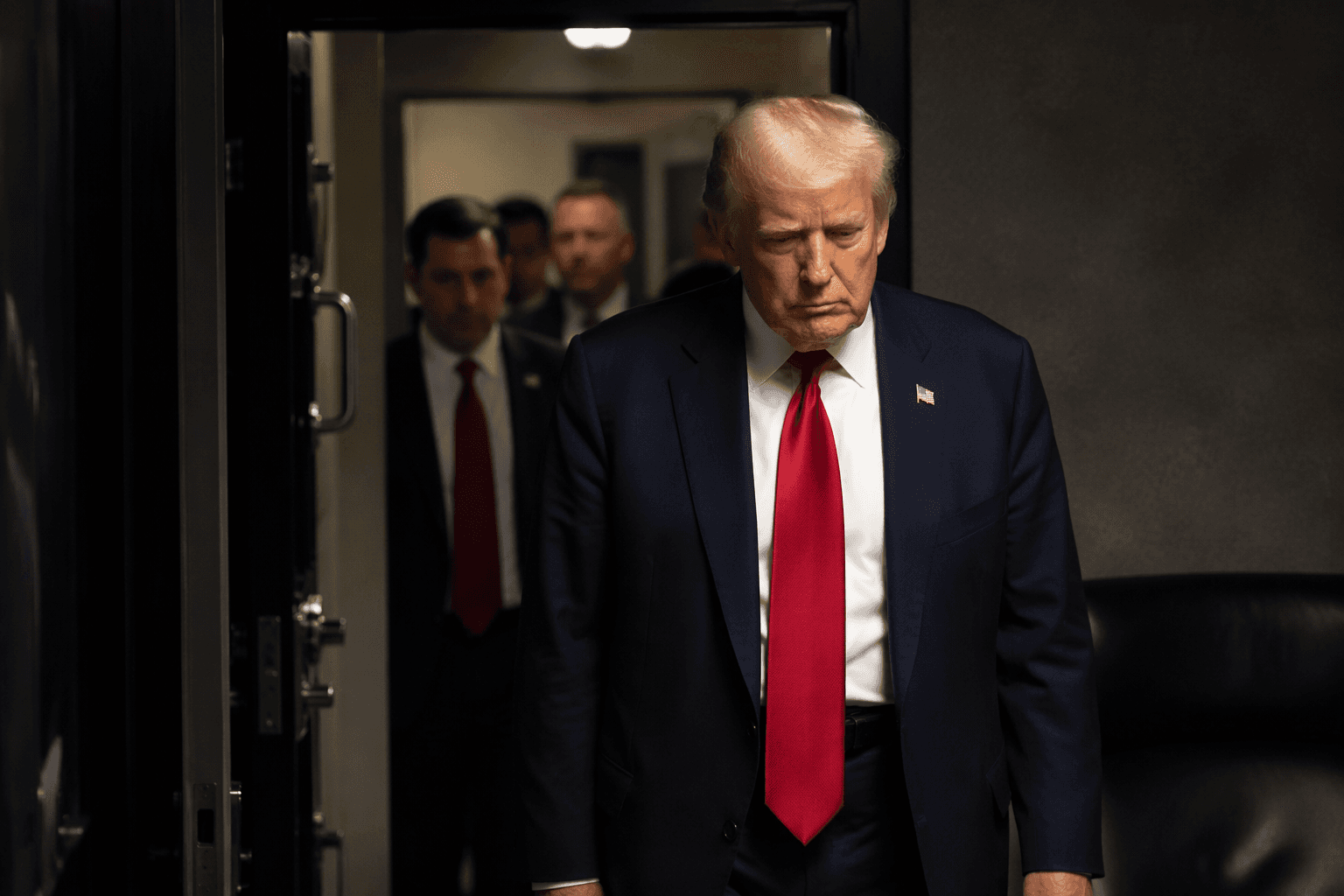
Donald Trump left the White House Situation Room on Friday without the Iran decision he had promised, ending about two hours of talks with no final determination on whether to bless an extended ceasefire and fresh nuclear negotiations.
The delay points to a hard choice at the center of the administration’s Iran posture: whether Trump is holding back for leverage or because the deal still lacks enough detail to satisfy his demands. Before the meeting, Trump said he wanted a final call on a possible agreement, but the terms on the table remained unsettled, including his insistence that Iran never obtain a nuclear weapon, that the Strait of Hormuz remain open without restrictions or tolls, and that enriched uranium at sites hit by U.S. B-2 bombers last year be addressed under International Atomic Energy Agency oversight.
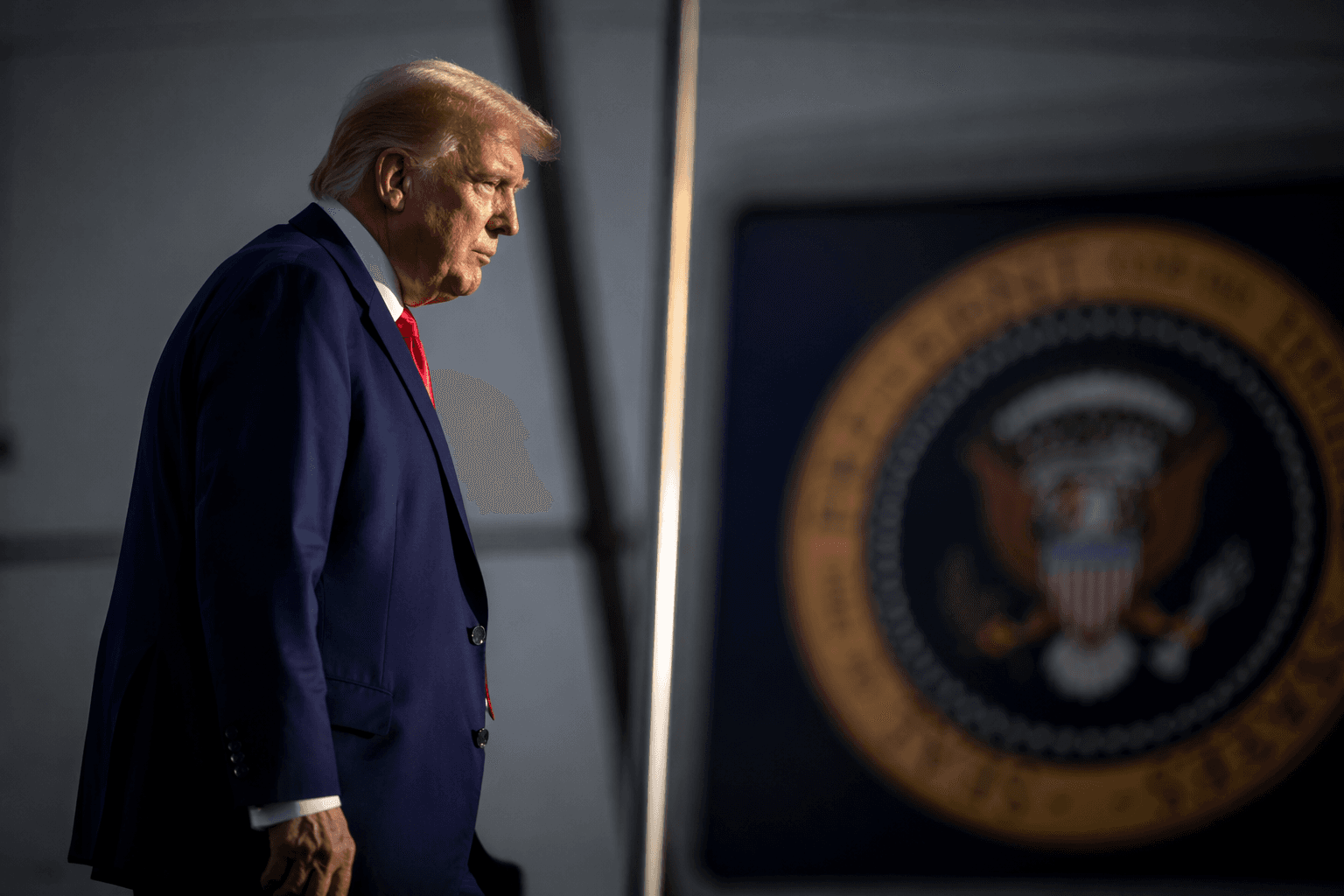
A White House official said Trump would only accept a deal that is “good for America” and meets his red lines. That language suggests strategic ambiguity, but the unfinished talks also reflect real gaps in the bargaining. The administration was trying to finalize a 60-day memorandum of understanding that would extend the ceasefire and create room for further nuclear negotiations, yet the core questions around uranium disposition, maritime access and verification were still blocking a public determination.
The uncertainty came as the ceasefire itself showed strain. U.S. Central Command said Iran fired a ballistic missile toward Kuwait and launched five drones near the Strait of Hormuz, with all of the projectiles intercepted or shot down. Defense Secretary Pete Hegseth said roughly 50,000 U.S. troops in the region remain ready if hostilities resume, underscoring how quickly the ceasefire could unravel if the diplomacy fails.
For now, Trump appears to be using the absence of a decision as a negotiating tool. But the unresolved issues are substantial, and they go beyond optics. Until the administration settles what Iran must give up, what international monitoring will look like and how far Washington is willing to go to lock in a ceasefire, the president’s promised final determination remains exactly that: deferred.
This article was produced by Prism’s automated news system from verified source data, official records, and press releases, then run through automated quality and moderation checks before publishing. The system is built and supervised by the people who set the standards it runs under. Read our full AI policy.
Know something we missed? Have a correction or additional information?
Submit a Tip