Trump lets bipartisan housing bill become law without his signature
Trump left a bipartisan housing bill to become law without his signature after canceling a ceremony and tying it to the SAVE America Act.

H.R. 6644, the 21st Century ROAD to Housing Act, became law without President Donald Trump’s signature after he canceled a planned Capitol ceremony and tied his approval to the SAVE America Act. The measure took effect automatically as the constitutional clock ran out.
The Senate passed the bill on June 21 by 85-5, and the House followed on June 22 with a 358-32 vote. Speaker Mike Johnson sent the measure to the White House on June 25, starting the 10-day period, excluding Sundays, in which a president can sign it, veto it, or allow it to become law without action while Congress remains in session.
Trump had scheduled a signing ceremony for June 24, then abruptly canceled it. He said he would not sign the housing bill until Congress passed the SAVE America Act, a House-passed elections bill that still faces a Senate filibuster hurdle. Trump later called the housing measure a “yawn” and described it as a matter of “minor importance,” even though Republicans had hoped to present it as a major affordability win heading into the 2026 midterms.
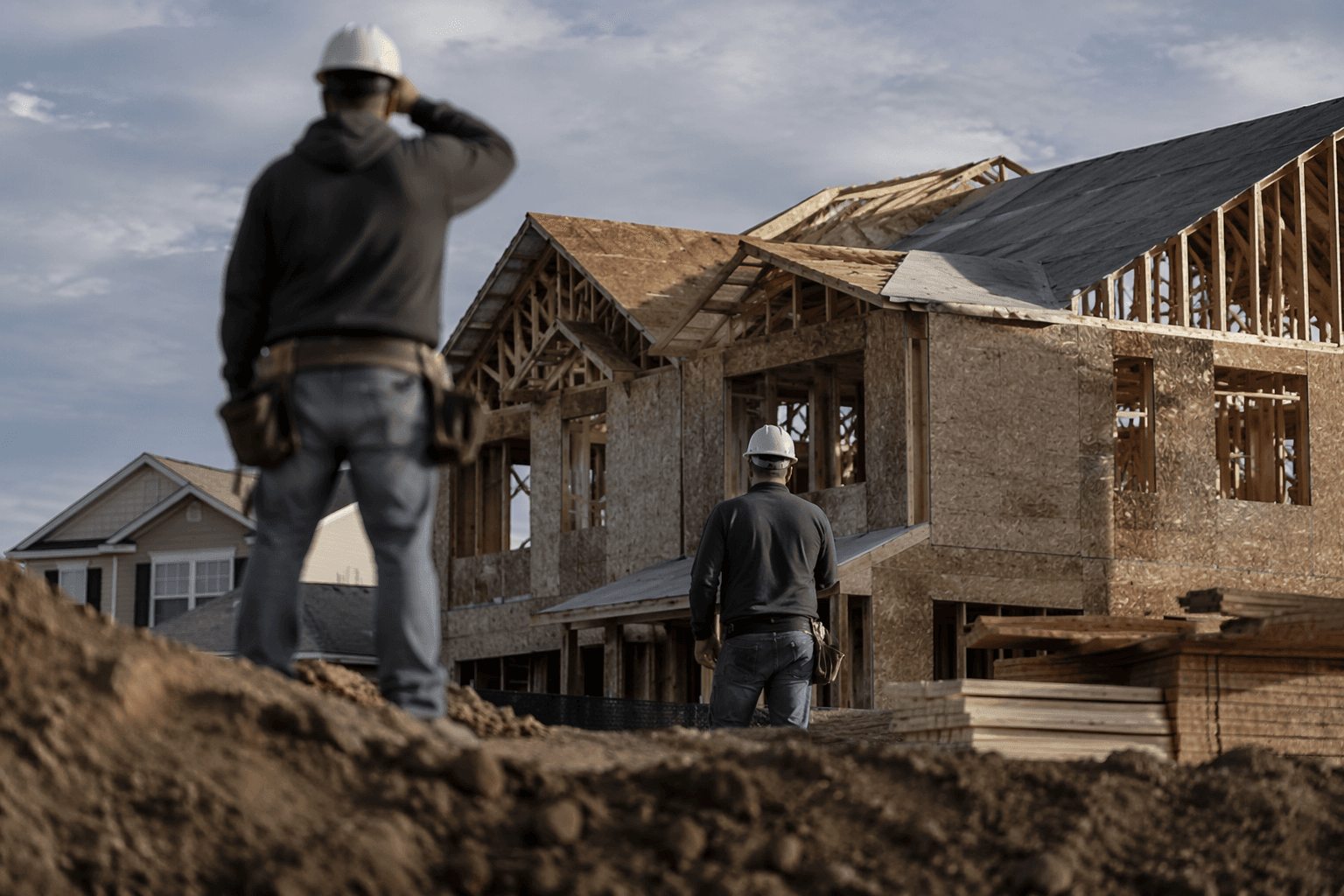
The bill expands Federal Housing Administration multifamily mortgage insurance loan limits, raises the income cap for HUD’s HOME program, and creates a grant program for local affordable-housing strategies. The package contains 59 provisions covering housing supply, disaster recovery, manufactured housing, mortgage financing, rural housing, veteran housing and community banking. It also includes federal zoning guidance and an Innovation Fund for communities that build more housing.
Tim Scott and Elizabeth Warren helped shepherd the compromise through the Senate Banking, Housing, and Urban Affairs Committee, and the White House had previously signaled support for the updated version. The package blended House and Senate housing language and reflected Trump administration priorities, including limits on institutional investor purchases of single-family homes.
Libby O’Neill of the National Low Income Housing Coalition said the move was a setback for efforts to address housing supply constraints and barriers to renting. The manufactured-housing reforms in the bill could cut the cost of a new unit by up to $10,000 and help preserve affordable housing for 400,000 rural families.
This article was produced by Prism’s automated news system from verified source data, official records, and press releases, then run through automated quality and moderation checks before publishing. The system is built and supervised by the people who set the standards it runs under. Read our full AI policy.
Did this article answer your question?