Trump lifts tariffs on Scotland-Kentucky whisky trade after royal visit
Trump’s tariff rollback on Scotch whisky came after King Charles III’s White House visit, and the 15% US shipment drop shows why it mattered.
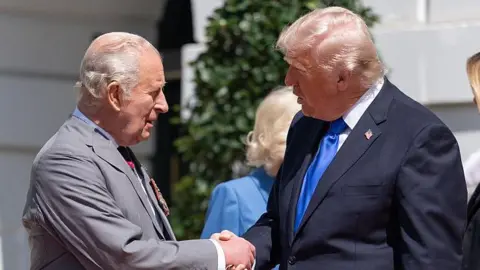
Donald Trump moved to lift the 10% tariff he imposed on Scotch whisky last year, turning a trade dispute into a diplomatic prize after King Charles III and Queen Camilla’s White House visit. Trump said the royals “got me to do something that nobody else was able to do,” casting the decision as a boost for industries tied together by whisky, bourbon and old commercial habits.
The announcement, made on Thursday, April 30, 2026, followed talks at the White House and an address to Congress by the King and Queen. Trump said he would remove tariffs and restrictions related to Scotland’s ability to work with Kentucky on whiskey and bourbon, a gesture that carried as much symbolism as economic weight. The tariff at issue was the 10% duty imposed in April 2025 as part of sweeping global tariffs, a policy that quickly fed through to the market.
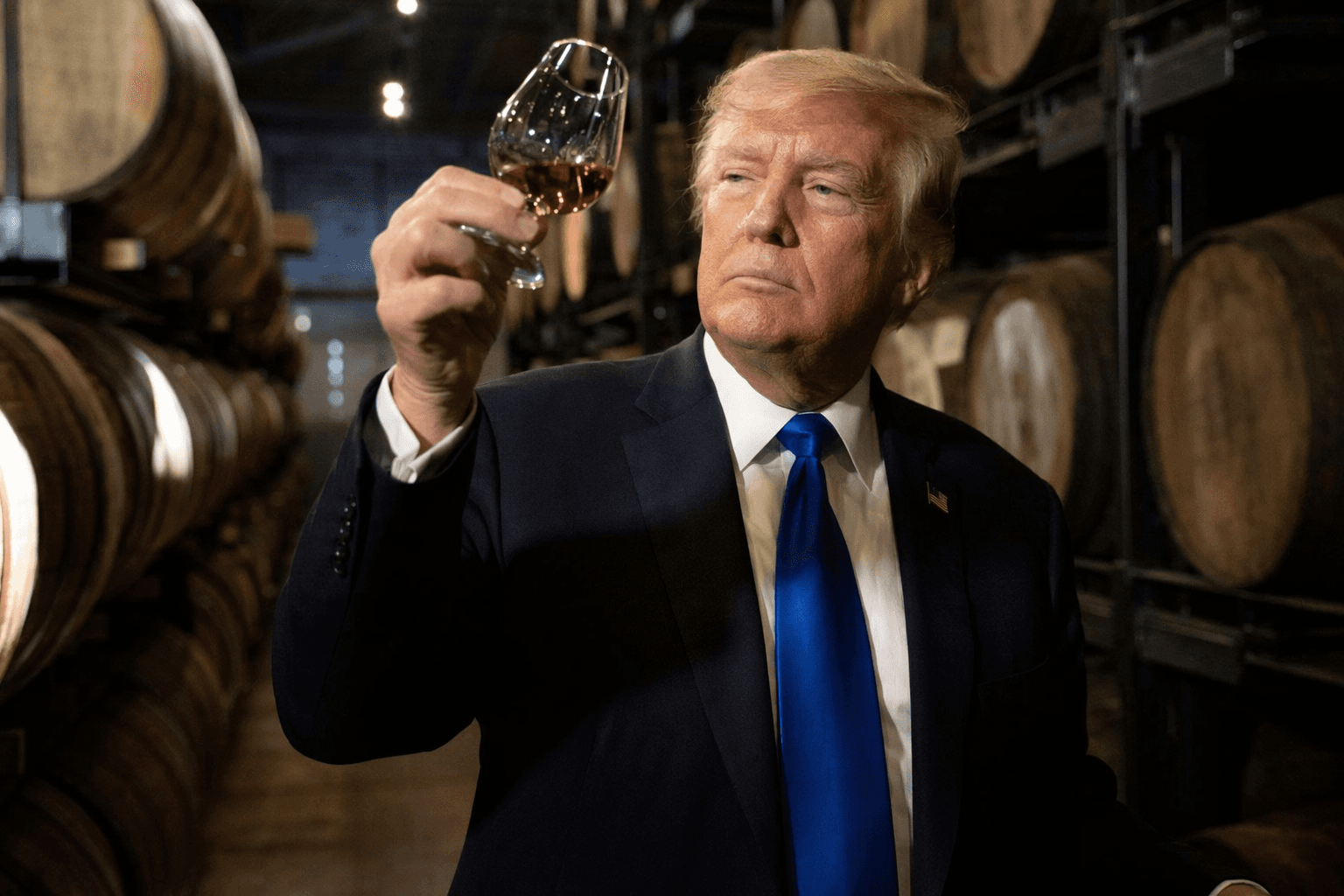
The numbers show the damage. Industry reporting says Scotch shipments to the United States fell 15% between May and December 2025 after the tariff took effect. The Scotch Whisky Association said global Scotch exports in 2025 fell 0.6% in value to £5.36 billion and 4.3% in volume to 1.3 billion bottles, with the United States remaining the most valuable export market for Scotch whisky. For producers who depend on that market, the tariff was more than a diplomatic irritant; it was a direct hit to sales.

Scottish officials had pressed the case for months, arguing that Scotland’s whisky industry employs more than 20,000 workers, many in rural areas, and that whisky exports to the United States were worth almost £1 billion in 2024. John Swinney called the move “tremendous news for Scotland” and said Scottish distillers spend hundreds of millions of dollars each year buying bourbon casks from Kentucky. That cask trade gives the rollback a two-way economic dimension, linking Scottish maturation houses with Kentucky cooperage and barrel supply.
The Scotch Whisky Association welcomed the prospect of lower barriers and said the industry would be able to “breathe a little easier” after a period of significant pressure. The policy change is narrowly tailored, but it is not trivial: it eases pressure on one of Scotland’s signature exports, protects a major British market and keeps alive a transatlantic supply chain that has long tied Scotland and Kentucky together.
This article was produced by Prism’s automated news system from verified source data, official records, and press releases, then run through automated quality and moderation checks before publishing. The system is built and supervised by the people who set the standards it runs under. Read our full AI policy.
Did this article answer your question?