Ukraine central bank holds rate, cuts growth outlook as war hurts economy
Ukraine’s central bank held its key rate at 15% and cut 2026 growth to 1.3% as Russian attacks keep pressure on energy and logistics.
Ukraine’s central bank kept borrowing costs at 15% on April 30 and delivered a starker warning about the war economy: growth is slowing, inflation is rising and the pressure on policymakers is coming as much from damaged infrastructure as from demand.
The National Bank of Ukraine cut its 2026 gross domestic product forecast to 1.3%, down from 1.8%, after saying first-quarter output grew just 0.2% from a year earlier. At the same time, it lifted its 2026 inflation outlook to 9.5% from 7.5% in January and pushed the return to its 5% target out to 2028. Governor Andriy Pyshnyi said the bank was prepared to keep the policy rate at 15% until the second quarter of 2027 if needed.
The message from Kyiv was that Russia’s campaign against power systems, transport links and supply chains is now central to the monetary outlook. During the winter months, Russia fired nearly 19,000 drones and more than 700 missiles, a scale of attacks that has kept energy and logistics under constant strain. Pyshnyi said the consequences of Russian aggression remained the main threat to inflation and economic development, while also pointing to other geopolitical risks, including tensions in the Middle East.
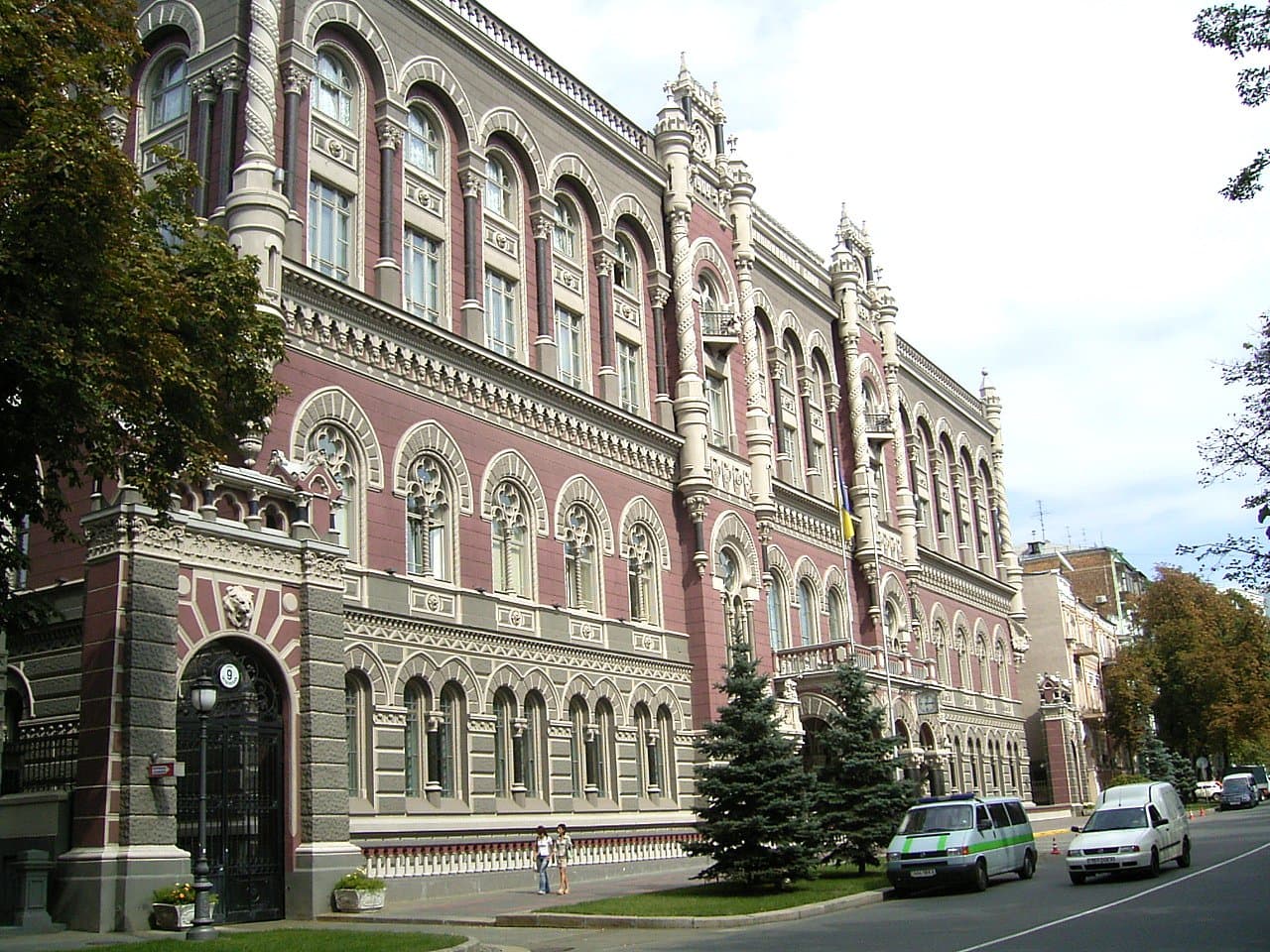
That leaves Ukraine’s central bank with a narrow and difficult policy path. The NBU says price stability is its priority, and during the full-scale war it has leaned on interest-rate policy, exchange-rate measures, FX restrictions and other tools to keep inflation moving toward target. Interfax quoted the bank as saying: “Maintaining appropriate monetary conditions will facilitate inflation's return to a path of steady deceleration toward the 5% target within the policy horizon (by 2028).” The bank also said its decision to leave the rate unchanged would support disinflation while helping preserve financial stability.
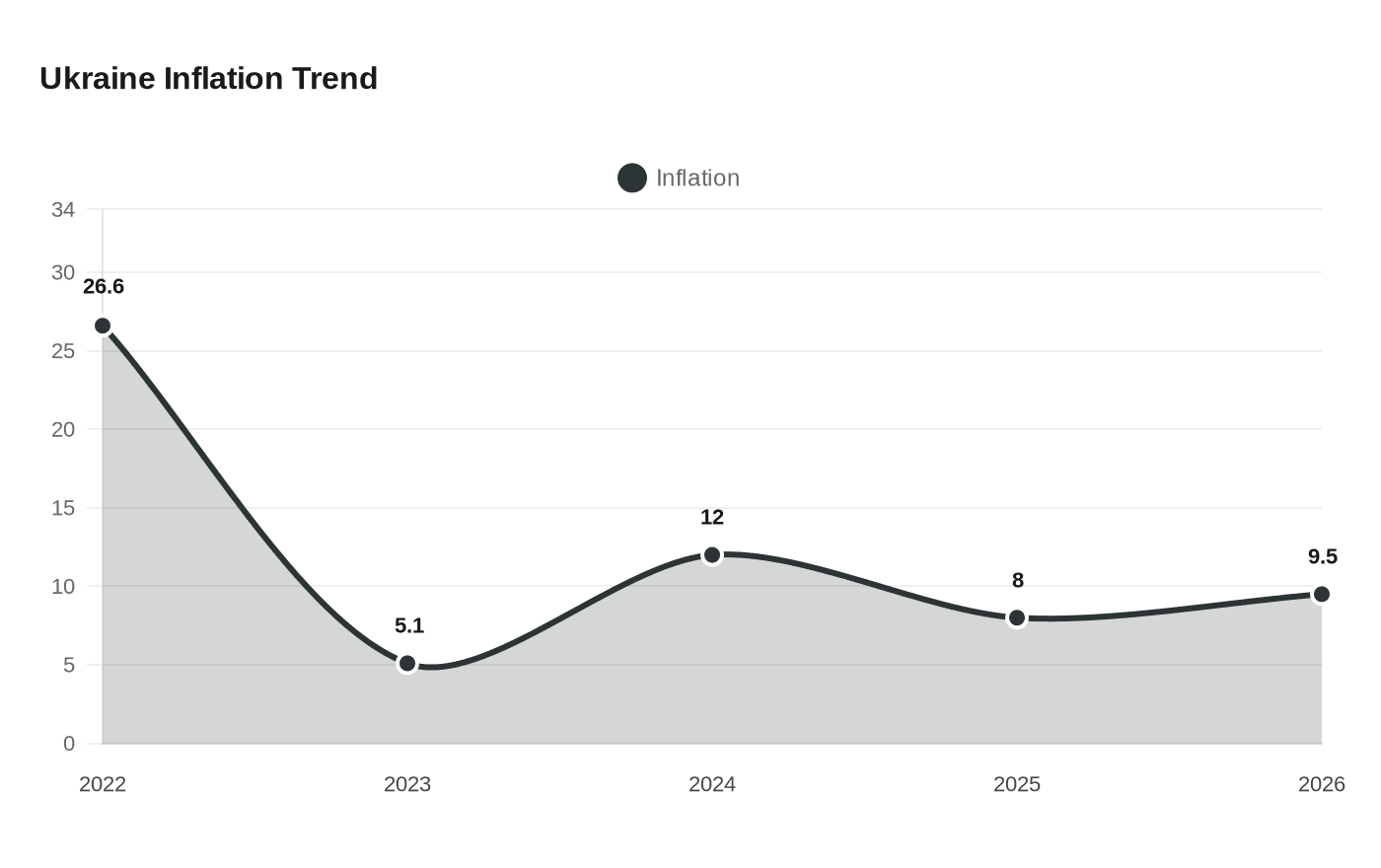
For businesses and households, the tradeoff is becoming more visible. Tight policy may help prevent another inflation surge, but it also keeps credit expensive at a time when war damage is reducing output and raising operating costs. The central bank said inflation slowed to 8% in 2025 from 12% in 2024, after running at 26.6% in 2022 and 5.1% in 2023. Even so, the latest forecast is a sharp deterioration from the NBU’s April 2025 view, when it expected inflation to fall to 8.7% by the end of 2025 and reach 5% in 2026.
The broader signal is that Ukraine’s economy is still being measured not only by rates and prices, but by endurance. As long as Russian attacks keep hitting energy and logistics, the central bank is likely to stay cautious, and the country’s growth outlook will remain hostage to the battlefield.
This article was produced by Prism’s automated news system from verified source data, official records, and press releases, then run through automated quality and moderation checks before publishing. The system is built and supervised by the people who set the standards it runs under. Read our full AI policy.
Did this article answer your question?